
Beyond the Negative Culture
Being told "everything looks normal" when you live with persistent bladder pain is exhausting. Explore why standard urine cultures miss embedded biofilms, how a leaky bladder lining keeps nerves on high alert, and a four-phase roadmap for lasting relief.

The Surprising Link Between Chronic UTIs, Interstitial Cystitis, and Bladder Biofilms
By Dr. Cristiana Coneru, MD, FRSM, FRCEM, CFMP, HCTP, Dip CNM, NBC‑HWC Founder of Health Visioning
How advanced testing can help uncover hidden causes of chronic bladder pain
For years, your life has been dictated by a relentless, invisible fire. It is a grueling cycle of deep, burning pelvic pain, the constant panic of urinary frequency, sleepless nights spent pacing the bathroom floor, and the bone-deep exhaustion of chronic physical distress. Yet, perhaps the most damaging blow doesn’t come from the physical symptoms themselves, but from the sterile walls of a doctor’s office. After weeks or months of agonizing discomfort, you are handed a piece of paper with a definitive verdict: “Your urine culture came back normal. There is no infection. It might just be stress, anxiety, or all in your head.”
This kind of dismissal leaves patients feeling isolated, invalidated, and trapped inside a body that feels like it is failing them, while the medical system insists nothing is wrong.
The unsettling truth is that the problem rarely lies in the patient’s mind. A growing body of research suggests that part of it lies in the limits of conventional urine testing (Al-Khikani, 2026). The standard urine culture, the workhorse test for urinary tract infections (UTIs), depends on bacteria growing on an agar plate under oxygen-rich laboratory conditions, usually within a day or two. A pathogen that grows slowly, needs low-oxygen conditions, or hides in tissue may never show up. In one major review, the standard culture missed roughly 90% of the bacterial species detected by an enhanced culture method, and about half of the species generally accepted as uropathogens (Brubaker et al., 2023). A negative culture tells us that nothing grew on the plate; it does not always prove that nothing is there.
When cultures stay negative and other causes have been ruled out, persistent symptoms are often labeled Interstitial Cystitis (IC) or Bladder Pain Syndrome (BPS) (Priporeanu et al., 2026). IC/BPS is diagnosed from symptoms after other conditions are excluded, and its cause is not fully understood, which is why it can feel like a life sentence. Care usually focuses on easing symptoms, through oral medications such as pentosan polysulfate (Elmiron), dietary changes, bladder instillations, and pelvic floor support, and these approaches can help many people (Yeni & Kilciler, 2026). But they do not always answer the question patients most want answered: why is my bladder inflamed in the first place?
From a functional medicine perspective, we ask whether, in some patients, IC/BPS symptoms may be the end result of several interacting processes: biofilms that can shelter bacteria from antibiotics and immune detection (Lila et al., 2023), disruption of the urinary and gut microbiome (Brubaker & Wolfe, 2017), and mast cell activation that can keep the pelvic nerves hypersensitive (Enerbäck et al., 1989; Rudick et al., 2008). IC/BPS is a heterogeneous condition, and these mechanisms have not been shown to explain every case. But they raise testable questions that a negative culture alone cannot answer.
To look beyond the negative culture, some clinicians now use molecular tests such as Next-Generation Sequencing (NGS) and Polymerase Chain Reaction (PCR), which detect microbial DNA that culture can miss (Chang et al., 2025; Zhao et al., 2024). The sections below explain how these tests work, what their limits are, and outline a four-phase, root-cause approach designed to address biofilms, restore microbial balance, calm the immune response, and support the bladder’s natural healing.
Section 1: The Illusion of the “Negative Culture” and the Science of Biofilms
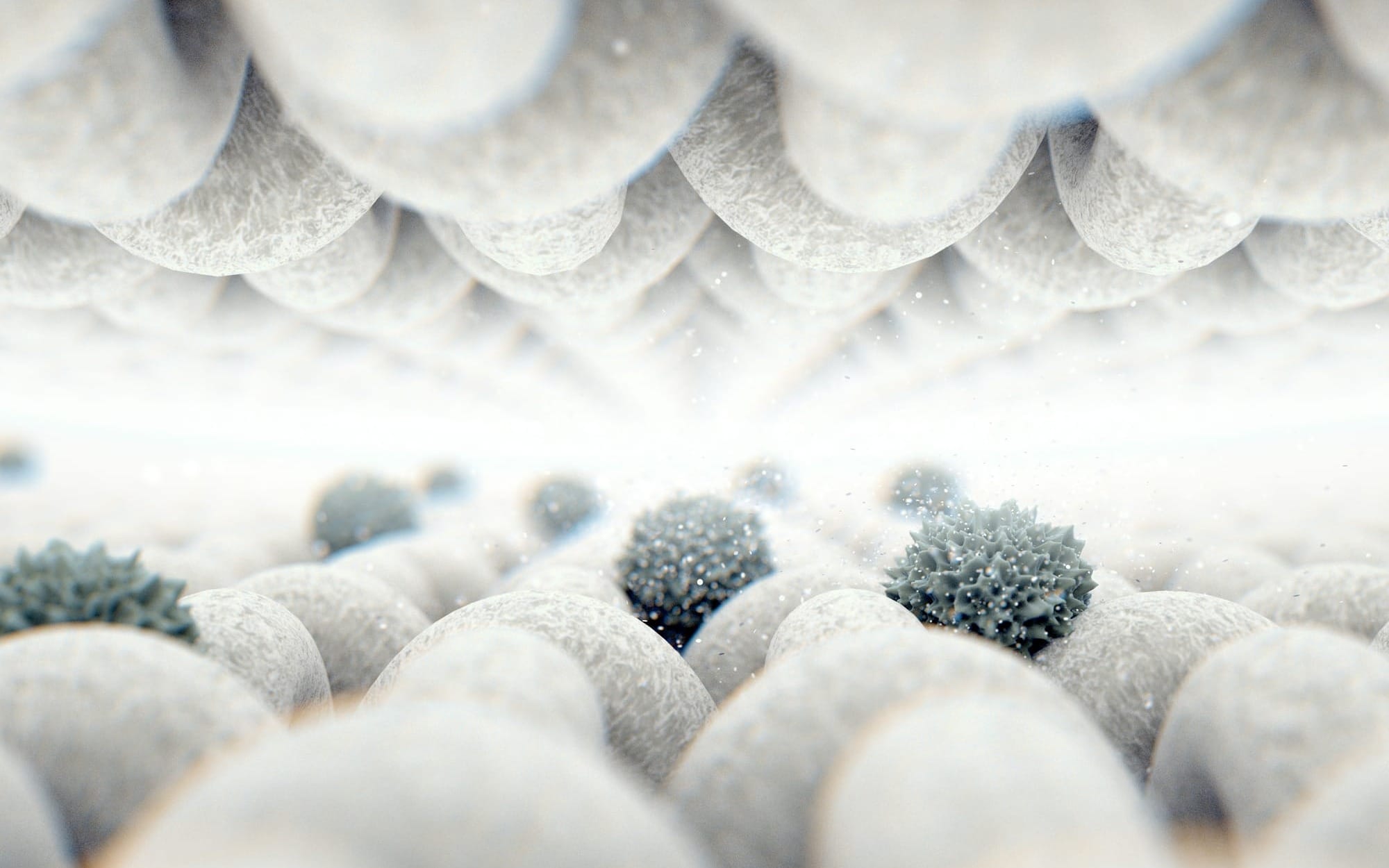
The Invisible Fortress: How Bacteria Can Hide in the Bladder Wall
To understand why your bladder can feel like it is on fire while your lab results look clear, it helps to look at how bacteria behave in the real world compared with how standard testing expects them to behave. Conventional testing assumes that if an infection is present, bacteria will be floating freely in your urine, ready to be caught in a collection cup. In microbiology, these free-floating microbes are known as planktonic bacteria (Rather et al., 2021). They dominate in a classic acute UTI, but they represent only one phase of a pathogen’s lifestyle.
In chronic or recurrent infection, bacteria can shift from this vulnerable free-floating state to a sophisticated survival strategy. Instead of swimming in the urine, they attach to surfaces, including the lining of the bladder, and secrete a thick, sticky matrix of extracellular polymeric substances (EPS), essentially a microscopic, slimy armor. This structure is known as a biofilm (Delcaru et al., 2016; Rather et al., 2021).
A helpful way to visualize this is to think of a biofilm as a bacterial apartment complex built into your bladder tissue. The slimy matrix forms the walls, roof, and security system of the building. When a doctor prescribes a short course of oral antibiotics, the medication can clear the “visitors” walking around outside on the pavement, the planktonic bacteria in the urine, which may bring a temporary dip in symptoms. The residents inside the complex may remain largely protected.
Within the protective matrix, bacteria slow their metabolism and can enter a semi-dormant state. Because many antibiotics work best on rapidly dividing cells, and because the matrix can limit how well a drug penetrates, bacteria in biofilms can tolerate antibiotic concentrations that would clear their free-floating counterparts (Potera, 2010; Srinivasan et al., 2021).
This brings us to the maddening paradox of the negative culture during a symptomatic flare. When burning, pain, and urgency suddenly spike, it is natural to assume a brand-new infection has taken hold. Research on how infection affects the bladder points to other possibilities. In an animal study, recurrent infections left the bladder with persistent dysfunction and pain, driven by sprouting of sensory nerves and ongoing mast cell activity (Hayes et al., 2024). This suggests that inflammation and nerve sensitization may contribute to ongoing symptoms, and neither is something a urine culture is designed to measure.
If you go to urgent care during a flare and your culture is negative, one possible explanation is that any organisms are embedded in biofilm or tissue rather than floating in the urine, or that they need low-oxygen conditions or longer incubation than a standard plate allows (Brubaker et al., 2023). The lab technician sees an empty petri dish and reports no growth. That report is accurate, but it may be incomplete.
Section 2: Beyond IC: Processes That May Drive Bladder Dysfunction
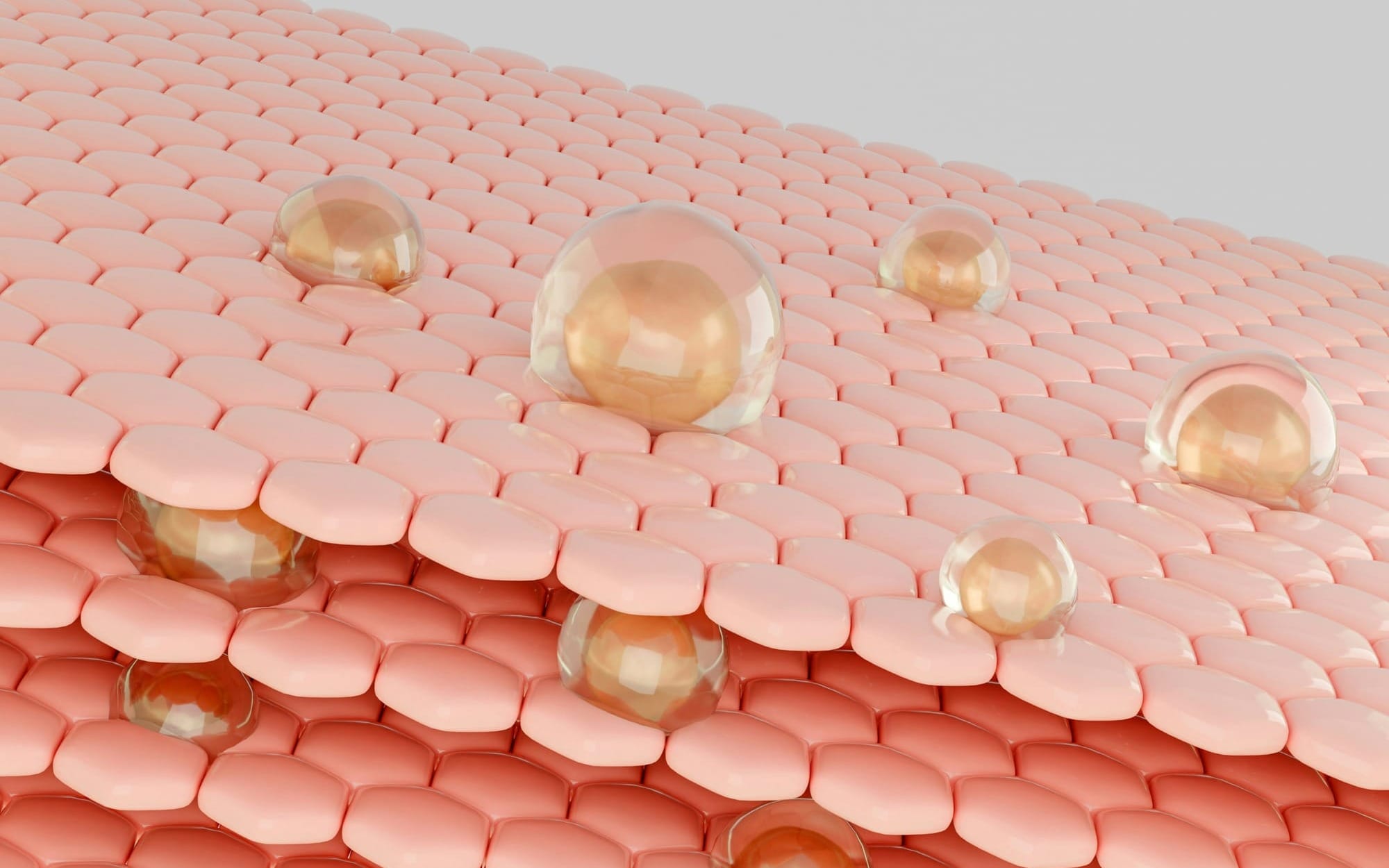
Connecting the Dots: Biofilms, the GAG Layer, Mast Cells, and the Microbiome
When you are given a diagnosis of Interstitial Cystitis, it is often presented as a standalone, mysterious defect of the bladder wall. A functional lens asks a different question: could several overlapping processes be feeding each other? Emerging research suggests this may be the case in some patients, although IC/BPS is a heterogeneous condition and these links remain an area of active research rather than settled fact.
When embedded biofilms, immune hyper-reactivity, and microbial imbalance reinforce one another, they could create a self-perpetuating cycle of inflammation (Lila et al., 2023). Let’s look closely at each piece
1. Persistent Infection and a “Leaky” Bladder Lining
Your bladder has a built-in defense against the toxic, acidic nature of urine: the glycosaminoglycan (GAG) layer. Think of it as a slick, protective, non-stick, Teflon-like coating that helps keep urine’s waste products, potassium ions, and organic acids from touching the delicate tissue underneath (Klingler, 2016).
Chronic inflammation, including inflammation from a persistent infection, may wear down this layer, a bit like sandpaper on a non-stick pan (Grover et al., 2011). Studies in people with IC/BPS have found increased bladder permeability, a sign of a “leaky” lining (Hurst et al., 2015). When that barrier thins, urine components may reach the deeper layers of the bladder wall and irritate tissue and nerves, which could help explain the deep, relentless ache and sensitivity.
2. Mast Cell Activation and the Pelvic Inflammatory Loop
Even if bacteria are sheltered inside biofilms and invisible to routine tests, your immune system may still sense a problem. One of its first responders is the mast cell, a security guard of the immune system packed with inflammatory chemicals (Ruetten et al., 2025; Theoharides et al., 1995). Mast cell activation has been documented in the bladders of people with IC, and in mice, mast cell–derived histamine has been shown to mediate cystitis pain (Rudick et al., 2008; Theoharides et al., 1995).
When mast cells are repeatedly triggered, they can release histamine, interleukins, and other inflammatory cytokines that help keep pelvic nerves sensitized (Xiao et al., 2026). This may create a phantom inflammatory loop: even when bacteria are quiet, your nervous system may keep signaling an emergency because the local mast cell response does not switch off (Hayes et al., 2024).
3. The Urinary and Gut Microbiome (Dysbiosis)
For decades, textbooks taught that a healthy bladder is sterile. We now know this is not the case. The female urinary microbiome includes many bacterial species, and Lactobacillus species are commonly found in healthy urinary and vaginal microbiomes, where they are thought to help protect against pathogens, in part by producing lactic acid (Brubaker & Wolfe, 2017; Dalby et al., 2026).
This brings us to an irony of conventional care. Antibiotics are essential and effective for confirmed acute UTIs, and no one should avoid them when they are needed. But repeated or back-to-back courses can disturb the protective microbes in both the gut and the urinary tract. Studies link gut dysbiosis with a history of UTIs, and antimicrobial therapy has been shown to shape the urinary microbiome (Nicu-Canareica et al., 2025; Ruța et al., 2024). That disruption may leave room for opportunistic, biofilm-forming organisms to return.
The diagram above shows this proposed cycle. Persistent biofilms (1) may contribute to damage of the GAG layer (2) (Klingler, 2016; Lila et al., 2023). A leaky lining lets irritants reach the tissue, which may activate mast cells and sensitize nerves (3) (Xiao et al., 2026). Repeated antibiotic exposure may then disrupt the microbiome (4), potentially making it easier for pathogens to rebuild their biofilms (Nicu-Canareica et al., 2025).

See how hidden inflammation connects to your symptoms
Persistent bladder discomfort rarely happens in isolation. When standard tests miss the root cause, deeper inflammatory patterns in your gut, immune system, or nervous system are often keeping your body on high alert. Answer a few quick questions to identify your primary inflammation drivers and get personalized next steps.
Section 3: The Functional Medicine Diagnostic Toolkit
Smarter Testing for Clearer Answers
To move past a chronic cycle of bladder pain, it helps to use tools capable of finding what a standard culture can miss. If your urine culture comes back negative while your bladder feels like it is on fire, it does not mean the pain is in your head. It means the test has limits.
Functional medicine often adds molecular tests, which look for microbial DNA instead of relying on bacterial growth. These tools are promising, but they are not perfect: DNA tests can detect organisms that are no longer alive or that are simply passing through, so results need to be interpreted alongside your symptoms, history, and examination.
| Feature | Standard urine culture | Molecular testing (PCR/NGS) |
|---|---|---|
| Detection method | Needs living bacteria that grow on a plate | Detects microbial DNA, whether or not the organisms are alive |
| What it can miss | Slow-growing or oxygen-sensitive organisms (Brubaker et al., 2023) | May also pick up harmless or non-viable organisms, so interpretation matters |
| Turnaround time | Typically a day or two of incubation | Varies by test and laboratory |
| Resistance information | Antibiotic susceptibility testing on the organism that grows | Can screen for resistance genes; how well these predict real-world susceptibility is still being studied (Baunoch et al., 2021) |
1. Next-Generation Sequencing (NGS) and PCR
Traditional testing requires bacteria to stay alive in transport and then multiply on a lab dish. Molecular tests, with MicroGenDX as one commercial example, look for microbial DNA instead.
Polymerase Chain Reaction (PCR): This technology copies and amplifies small fragments of genetic material, like a molecular magnifying glass, so that specific organisms can be detected. A meta-analysis has compared PCR and NGS with conventional urine culture for diagnosing UTIs (Zhao et al., 2024).
Next-Generation Sequencing (NGS): Rather than looking for a few suspected organisms, NGS reads the DNA in a sample and matches it against reference databases, which can give a broad picture of the microbes present, including some that culture misses. A recent multicenter study compared targeted NGS with metagenomic sequencing and traditional culture for UTI diagnosis (Chang et al., 2025).
2. Antibiotic Resistance Gene Testing
When a standard culture does find a bacterium, the lab tests it against antibiotics to see whether it survives, which takes additional days. Some molecular panels instead screen for antibiotic resistance genes. This may help clinicians avoid drugs that an organism is likely to resist. However, resistance genes do not always predict how an organism will respond in practice, so these results should guide clinical judgment, not replace it (Baimakhanova et al., 2025; Baunoch et al., 2021; Franco & Meza, 2025).
3. Gut Microbiome Mapping
The bladder does not exist in a vacuum. The gut-bladder axis describes how the gut microbiome may influence urinary health. Common uropathogens such as E. coli, Klebsiella, and Enterococcus are typically residents of the digestive tract (Salazar et al., 2022).
Research in people with recurrent UTI has examined gut microbiome features associated with recurrence (Choi et al., 2024), and reviews describe how gut dysbiosis may allow uropathogens to overgrow and reach the urinary tract (Iqbal et al., 2024). Advanced stool tests, such as GI-MAP, are sometimes used to look at the gut as a possible reservoir for these organisms. How much treating a gut reservoir reduces UTI recurrence is still being studied, so this is best viewed as one piece of the puzzle.
Section 4: A Four-Phase Approach to Healing
The Functional Route Toward Relief: Phase by Phase
Moving from chronic bladder pain toward lasting relief usually requires a layered strategy, because an embedded infection cannot be treated aggressively without also calming the nervous system and supporting tissue repair. The framework below shows how a functional medicine approach may be organized. It is not a substitute for individual medical care: every step should be planned and monitored by a qualified clinician, and no one should stop prescribed treatment without talking to their doctor. Much of the evidence cited here comes from laboratory, animal, or small studies, so please read these phases as a framework informed by emerging evidence rather than as proven treatment.
Phase 1: Address Infection and Biofilm
The first phase focuses on identifying and addressing any infection, together with the physical defenses that may shelter it. Trying to clear an embedded infection with standard antibiotics alone has been compared to painting a house in the rain: the treatment may wash over the surface without sticking.
Weakening the biofilm: Researchers are studying agents that can disrupt the biofilm matrix, including bismuth compounds and other novel antimicrobial approaches (Choi et al., 2026; Mancuso et al., 2024; Shakibaie et al., 2019). Most of this evidence comes from laboratory studies, and their benefit in people with IC/BPS has not been established, so these approaches are best considered only with clinical guidance.
Targeted treatment: When molecular testing identifies organisms and resistance genes, a clinician may use that information to choose a more targeted antibiotic or antimicrobial, with the aim of treating the likely culprits while limiting collateral damage to the rest of the microbiome (Baunoch et al., 2021).
Phase 2: Soothe the Fire (Mast Cell and Nerve Support)
Unmasking organisms or disturbing a biofilm can temporarily stir up inflammation, so this phase focuses on calming tissue irritation and hyper-reactive nerve pathways.
Mast cell support: Quercetin, a plant flavonoid, has shown mast cell–stabilizing effects in laboratory studies, an early clinical study has examined a quercetin supplement in IC, and bioinformatic analyses are exploring how it may act in IC/BPS (Alam et al., 2022; Katske et al., 2001; Wang et al., 2024). Larger, controlled trials are still needed.
Soothing herbs: Demulcent herbs such as marshmallow root and aloe are traditionally used to soothe irritated mucous membranes. Clinical evidence for them in IC/BPS is limited, so they are best seen as optional comfort measures to discuss with your clinician.
Phase 3: Rebuild the Barrier
Once any infection is being addressed and inflammation is better controlled, the focus shifts to supporting the bladder’s protective lining. If the environment stays irritated or damaged, relapse may be more likely.
Supporting the GAG layer: GAG-replenishing therapies aim to restore the bladder’s protective coating, and the best-studied approaches are intravesical, meaning delivered directly into the bladder (Iacovelli et al., 2013). Oral supplements containing glucosamine and chondroitin, as in the multi-agent product CystoProtek, have been explored in an early clinical report in refractory IC/BPS (Theoharides et al., 2008). Evidence for oral supplements remains limited, so expectations should be modest.
Phase 4: Repopulate the Microenvironment
The final phase aims to support a protective microbial community across the genitourinary tract. Lasting health does not come from keeping the bladder perfectly sterile; it comes from supporting beneficial microbes.
Restoring Lactobacillus: Probiotics containing Lactobacillus strains, taken orally or vaginally, have been studied for preventing recurrent UTI. Some trials have shown encouraging results, and larger studies are still needed to define which strains, doses, and routes work best (Akgül & Karakan, 2018; Grin et al., 2013; Gupta et al., 2024; Stapleton et al., 2011).
Conclusion: Reclaiming Your Bladder Health
An Interstitial Cystitis or Bladder Pain Syndrome diagnosis does not have to mean resigning yourself to symptom management alone. For many people, IC/BPS has felt like a hopeless, unexplained dead end. Looking at it through a functional, systemic lens opens additional questions: could a hidden infection, a biofilm, a disrupted microbiome, or an overactive immune response be contributing to your symptoms? The evidence is still evolving, and IC/BPS is not the same in every person. But asking these questions can move care from blind symptom management toward root-cause investigation, and that shift may open the door to more targeted treatment and meaningful relief.
Relief from chronic pelvic pain often depends on moving away from repetitive, untargeted antibiotic courses when infection has not been demonstrated, and toward more precise investigation. DNA-based testing can help uncover microbes that culture misses. Combining those insights with careful biofilm-directed strategies, immune soothing, barrier support, and microbial balance may help address the problem at its roots while restoring your body’s natural defenses.
You do not have to accept a lifetime of simply coping with the fire. If this resonates with you, consider talking with a clinician experienced in chronic bladder conditions about a comprehensive evaluation, including whether advanced testing is appropriate for you. A thoughtful, personalized roadmap can help you look beyond the negative culture and reclaim your life.
Empower Your Next Visit: Questions to Ask Your Doctor
Advocating for your health can feel overwhelming, especially when conventional testing says nothing is wrong. Print or save these questions to bring to your next appointment and open a deeper conversation about advanced testing and biofilm strategies:
Regarding diagnostics: “My symptoms are chronic and recurring, but my standard urine cultures keep coming back negative. Would a DNA-based test, such as PCR or Next-Generation Sequencing, add useful information in my case?”
Regarding biofilms: “I have read that some bacteria can form protective biofilms that make them harder to treat. Is that something you would consider for me, and what evidence-based options exist?”
Regarding targeted treatment: “If a molecular test finds organisms, can we also look at resistance genes, and how will we interpret those results alongside my symptoms, before choosing an antimicrobial?”
Regarding the bladder lining and mast cells: “Since my bladder lining may have been irritated for a long time, what are my options for supporting it and for managing mast cell–related symptoms while we look for underlying causes?”
This article is for educational purposes and is not a substitute for individual medical advice, diagnosis, or treatment. Please speak with your own healthcare provider before starting, changing, or stopping any treatment or supplement.

Ready to move beyond negative cultures and reclaim your life?
You do not have to accept chronic pelvic pain as a life sentence. In my guide, The Chronic UTI Blueprint, I break down the science of bladder biofilms, explain which advanced tests actually uncover hidden pathogens, and share a step-by-step framework for lasting relief.
References
Akgül, T., & Karakan, T. (2018). The role of probiotics in women with recurrent urinary tract infections. Turkish Journal of Urology, 44(5), 377–383. https://doi.org/10.5152/tud.2018.48742
Alam, S. B., Wagner, A., Willows, S., & Kulka, M. (2022). Quercetin and resveratrol differentially decrease expression of the high-affinity IgE receptor (FcεRI) by human and mouse mast cells. Molecules, 27(19), Article 6704. https://doi.org/10.3390/molecules27196704
Al-Khikani, F. H. O. (2026). When the lab falls silent: The challenge of culture-negative urinary tract infections. Indian Journal of Urology, 42(2), 96–98. https://doi.org/10.4103/iju.iju_595_25
Baimakhanova, B., Sadanov, A., Berezin, V., Baimakhanova, G., Trenozhnikova, L., Orasymbet, S., Seitimova, G., Kalmakhanov, S., Xetayeva, G., Shynykul, Z., Seidakhmetova, A., & Turgumbayeva, A. (2025). Emerging technologies for the diagnosis of urinary tract infections: Advances in molecular detection and resistance profiling. Diagnostics, 15(19), Article 2469. https://doi.org/10.3390/diagnostics15192469
Baunoch, D., Luke, N., Wang, D., Vollstedt, A., Zhao, X., Ko, D. S. C., Huang, S., Cacdac, P., & Sirls, L. T. (2021). Concordance between antibiotic resistance genes and susceptibility in symptomatic urinary tract infections. Infection and Drug Resistance, 14, 3275–3286 PMCID: PMC8382965 https://pubmed.ncbi.nlm.nih.gov/34447256/
Brubaker, L., Chai, T. C., Horsley, H., Khasriya, R., Moreland, R. B., & Wolfe, A. J. (2023). Tarnished gold—The “standard” urine culture: Reassessing the characteristics of a criterion standard for detecting urinary microbes. Frontiers in Urology, 3, Article 1206046. https://doi.org/10.3389/fruro.2023.1206046
Brubaker, L., & Wolfe, A. J. (2017). The female urinary microbiota, urinary health and common urinary disorders. Annals of Translational Medicine, 5(2), Article 34. https://doi.org/10.21037/atm.2016.11.62
Chang, Z., Deng, J., Zhang, J., Wu, H., Wu, Y., Bin, L., Li, D., Liu, J., Yu, R., Lin, H., An, L., & Sun, B. (2025). Rapid and accurate diagnosis of urinary tract infections using targeted next-generation sequencing: A multicenter comparative study with metagenomic sequencing and traditional culture methods. Journal of Infection, 90(4), Article 106459. https://doi.org/10.1016/j.jinf.2025.106459
Choi, J., Thänert, R., Reske, K. A., Nickel, K. B., Olsen, M. A., Hink, T., Thänert, A., Wallace, M. A., Wang, B., Cass, C., Barlet, M. H., Struttmann, E. L., Iqbal, Z. H., Sax, S. R., Fraser, V. J., Baker, A. W., Foy, K. R., Williams, B., Xu, B., Capocci-Tolomeo, P., … CDC Prevention Epicenters Program. (2024). Gut microbiome correlates of recurrent urinary tract infection: A longitudinal, multi-center study. eClinicalMedicine, 71, Article 102490. https://doi.org/10.1016/j.eclinm.2024.102490
Choi, J. B., Choi, C. I., Choi, T., Kim, D. S., & Lee, J. W. (2026). Emerging strategies for biofilm disruption in recurrent urinary tract infections. Investigative and Clinical Urology, 67(3), 227–236. https://doi.org/10.4111/icu.20250654
Dalby, K. L., Horsley, H., Spratt, D., & Khasriya, R. (2026). The vaginal microbiome and recurrent and chronic urinary tract infection. International Urogynecology Journal, 37(7), 1869–1879. https://doi.org/10.1007/s00192-025-06434-1
Delcaru, C., Alexandru, I., Podgoreanu, P., Grosu, M., Stavropoulos, E., Chifiriuc, M. C., & Lazar, V. (2016). Microbial biofilms in urinary tract infections and prostatitis: Etiology, pathogenicity, and combating strategies. Pathogens, 5(4), Article 65. https://doi.org/10.3390/pathogens5040065
Enerbäck, L., Fall, M., & Aldenborg, F. (1989). Histamine and mucosal mast cells in interstitial cystitis. Agents and Actions, 27(1–2), 113–116. https://doi.org/10.1007/BF02222214
Franco, J. V. A., & Meza, N. (2025). Advances in the diagnosis of urinary tract infection: A narrative review. Urogenital Tract Infection, 20(1), 17–27. https://doi.org/10.14777/uti.2550020010
Grin, P. M., Kowalewska, P. M., Alhazzan, W., & Fox-Robichaud, A. E. (2013). Lactobacillus for preventing recurrent urinary tract infections in women: Meta-analysis. Canadian Journal of Urology, 20(1), 6607–6614. https://pubmed.ncbi.nlm.nih.gov/23433130/
Grover, S., Srivastava, A., Lee, R., Tewari, A. K., & Te, A. E. (2011). Role of inflammation in bladder function and interstitial cystitis. Therapeutic Advances in Urology, 3(1), 19–33. https://doi.org/10.1177/1756287211398255
Gupta, V., Mastromarino, P., & Garg, R. (2024). Effectiveness of prophylactic oral and/or vaginal probiotic supplementation in the prevention of recurrent urinary tract infections: A randomized, double-blind, placebo-controlled trial. Clinical Infectious Diseases, 78(5), 1154–1161. https://doi.org/10.1093/cid/ciad766
Hayes, B. W., Choi, H. W., Rathore, A. P. S., Bao, C., Shi, J., Huh, Y., Kim, M. W., Mencarelli, A., Bist, P., Ng, L. G., Shi, C., Nho, J. H., Kim, A., Yoon, H., Lim, D., Hannan, J. L., Purves, J. T., Hughes, F. M., Jr., Ji, R. R., & Abraham, S. N. (2024). Recurrent infections drive persistent bladder dysfunction and pain via sensory nerve sprouting and mast cell activity. Science Immunology, 9(93), Article eadi5578. https://doi.org/10.1126/sciimmunol.adi5578
Hurst, R. E., Greenwood-Van Meerveld, B., Wisniewski, A. B., VanGordon, S., Lin, H., Kropp, B. P., & Towner, R. A. (2015). Increased bladder permeability in interstitial cystitis/painful bladder syndrome. Translational Andrology and Urology, 4(5), 563–571. https://doi.org/10.3978/j.issn.2223-4683.2015.10.03
Iacovelli, V., Topazio, L., Gaziev, G., Bove, P., Vespasiani, G., & Finazzi Agrò, E. (2013). Intravesical glycosaminoglycans in the management of chronic cystitis. Minerva Urologica e Nefrologica, 65(4), 249–262. https://pubmed.ncbi.nlm.nih.gov/24091478/
Iqbal, Z. S., Halkjær, S. I., Ghathian, K. S. A., Heintz, J. E., & Petersen, A. M. (2024). The role of the gut microbiome in urinary tract infections: A narrative review. Nutrients, 16(21), Article 3615. https://doi.org/10.3390/nu16213615
Katske, F., Shoskes, D. A., Sender, M., Poliakin, R., Gagliano, K., & Rajfer, J. (2001). Treatment of interstitial cystitis with a quercetin supplement. Techniques in Urology, 7(1), 44–46. https://pubmed.ncbi.nlm.nih.gov/11272677/
Klingler, C. H. (2016). Glycosaminoglycans: How much do we know about their role in the bladder? Urologia, 83(Suppl. 1), 11–14. https://doi.org/10.5301/uro.5000184
Lila, A. S. A., Rajab, A. A. H., Abdallah, M. H., Rizvi, S. M. D., Moin, A., Khafagy, E. S., Tabrez, S., & Hegazy, W. A. H. (2023). Biofilm lifestyle in recurrent urinary tract infections. Life, 13(1), Article 148. https://doi.org/10.3390/life13010148
Mancuso, G., Trinchera, M., Midiri, A., Zummo, S., Vitale, G., & Biondo, C. (2024). Novel antimicrobial approaches to combat bacterial biofilms associated with urinary tract infections. Antibiotics, 13(2), Article 154. https://doi.org/10.3390/antibiotics13020154
Nicu-Canareica, O., Bolocan, V. O., Manolescu, L. S. C., Armean, P., Medar, C., Burlibașa, L., Băean, M. L., & Jinga, V. (2025). Beyond infection: How antimicrobial therapies influence the urinary microbiome and stone disease. Pharmaceuticals, 18(7), Article 1038. https://doi.org/10.3390/ph18071038
Potera, C. (2010). Antibiotic resistance: Biofilm dispersing agent rejuvenates older antibiotics. Environmental Health Perspectives, 118(7), A288. https://www.ncbi.nlm.nih.gov/pmc/articles/PMC2920928/
Priporeanu, T., Petre, I., Dragomir, R. E., Stoica, R. I., & Grigore, N. (2026). Interstitial cystitis/bladder pain syndrome: A narrative review of nomenclature, epidemiology, pathophysiology, diagnosis, and management. Cureus, 18(8), Article e115115. https://doi.org/10.7759/cureus.115115
Rather, M. A., Gupta, K., & Mandal, M. (2021). Microbial biofilm: Formation, architecture, antibiotic resistance, and control strategies. Brazilian Journal of Microbiology, 52(4), 1701–1718. https://doi.org/10.1007/s42770-021-00624-x
Rudick, C. N., Bryce, P. J., Guichelaar, L. A., Berry, R. E., & Klumpp, D. J. (2008). Mast cell-derived histamine mediates cystitis pain. PLOS ONE, 3(5), Article e2096. https://doi.org/10.1371/journal.pone.0002096
Ruetten, H., Ritts, R., Namugosa, M., Li, W., Evans, R., Badlani, G., & Walker, S. J. (2025). Mast cells and interstitial cystitis/bladder pain syndrome revisited. International Urogynecology Journal, 36(11), 2305–2312. https://doi.org/10.1007/s00192-025-06213-y
Ruța, F., Pribac, M., Mardale, E., Suciu, S., Maior, R., Bogdan, S., & Avram, C. (2024). Associations between gut microbiota dysbiosis and other risk factors in women with a history of urinary tract infections. Nutrients, 16(11), Article 1753. https://doi.org/10.3390/nu16111753
Salazar, A. M., Neugent, M. L., De Nisco, N. J., & Mysorekar, I. U. (2022). Gut-bladder axis enters the stage: Implication for recurrent urinary tract infections. Cell Host & Microbe, 30(8), 1066–1069. https://doi.org/10.1016/j.chom.2022.07.008
Shakibaie, M., Hajighasemi, E., Adeli-Sardou, M., Doostmohammadi, M., & Forootanfar, H. (2019). Antimicrobial and anti-biofilm activities of Bi subnitrate and BiNPs produced by Delftia sp. SFG against clinical isolates of Staphylococcus aureus, Pseudomonas aeruginosa, and Proteus mirabilis. IET Nanobiotechnology, 13(4), 377–381. https://doi.org/10.1049/iet-nbt.2018.5102
Srinivasan, R., Santhakumari, S., Poonguzhali, P., Geetha, M., Dyavaiah, M., & Xiangmin, L. (2021). Bacterial biofilm inhibition: A focused review on recent therapeutic strategies for combating the biofilm mediated infections. Frontiers in Microbiology, 12, Article 676458. https://doi.org/10.3389/fmicb.2021.676458
Stapleton, A. E., Au-Yeung, M., Hooton, T. M., Fredricks, D. N., Roberts, P. L., Czaja, C. A., Yarova-Yarovaya, Y., Fiedler, T., Cox, M., & Stamm, W. E. (2011). Randomized, placebo-controlled phase 2 trial of a Lactobacillus crispatus probiotic given intravaginally for prevention of recurrent urinary tract infection. Clinical Infectious Diseases, 52(10), 1212–1217. https://doi.org/10.1093/cid/cir183
Theoharides, T. C., Kempuraj, D., Vakali, S., & Sant, G. R. (2008). Treatment of refractory interstitial cystitis/painful bladder syndrome with CystoProtek—An oral multi-agent natural supplement. Canadian Journal of Urology, 15(6), 4410–4414. https://pubmed.ncbi.nlm.nih.gov/19046494/
Theoharides, T. C., Sant, G. R., el-Mansoury, M., Letourneau, R., Ucci, A. A., Jr., & Meares, E. M., Jr. (1995). Activation of bladder mast cells in interstitial cystitis: A light and electron microscopic study. Journal of Urology, 153(3, Pt. 1), 629–636. PMID: 7861501 https://pubmed.ncbi.nlm.nih.gov/7861501/
Wang, G., Li, P., Su, S. W., Xu, R., Huang, Z. Y., Yang, T. X., & Li, J. M. (2024). Identification of key pathways and mRNAs in interstitial cystitis/bladder pain syndrome treatment with quercetin through bioinformatics analysis of mRNA-sequence data. Aging, 16(7), 5949–5966. https://doi.org/10.18632/aging.205682
Xiao, Y., Zhu, D., & Zhou, X. (2026). Advances in cytokines and inflammatory mechanisms in the pathogenesis of interstitial cystitis/bladder pain syndrome. Biomolecules, 16(1), Article 138. https://doi.org/10.3390/biom16010138
Yeni, S., & Kilciler, M. (2026). Impact of Elmiron adjunct therapy on outcomes of fulguration in chronic interstitial cystitis in women. BMC Urology, 26(1), Article 48. https://doi.org/10.1186/s12894-026-02057-w
Zhao, M., Qi, S., Sun, Y., & Zheng, X. (2024). Comparison of polymerase chain reaction and next-generation sequencing with conventional urine culture for the diagnosis of urinary tract infections: A meta-analysis. Open Medicine, 19(1), Article 20240921. https://doi.org/10.1515/med-2024-0921
AI disclosure
This article reflects the author's own clinical experience, ideas, and perspective. Claude (Anthropic) was used for editorial support in preparing this piece - including research assistance, citation verification, and structural polishing.