
Healing Emotional Pain: The Heavy Backpack and Your Nervous System
The question is not how to silence emotional pain, but how to understand it. When we carry what we cannot drop, healing begins by looking inside the nervous system. Dr. Cristiana Coneru explores how a neuro-somatic approach offers a clear path back to feeling safe in your own body.

A Medical Guide to Releasing Traumatic Weight, Overcoming Chronic Stress, and Regulating Your Neuro-Somatic Health
This article is an updated and expanded version of a piece originally published on Substack, now revised with recent clinical research and updated medical citations.
By Dr. Cristiana Coneru, MD, FRSM, FRCEM, CFMP, HCTP, Dip CNM, NBC‑HWC Founder of Health Visioning
An essay on emotional pain, the nervous system, and the slow art of putting the weight down.
"Hope is the thing with feathers that perches in the soul and sings the tune without the words and never stops at all." - Emily Dickinson
Sometimes life gathers its clouds without warning, letting the sky darken in ways we never quite feel ready for. The winds rise, old fears rattle their windows, and the rain comes down in truths we’ve avoided naming. Yet even in the thick of it, there is a strange tenderness to the storm—how it teaches us to stand still, to listen, to feel the weight of what we’ve been carrying. And when it finally passes, as all storms eventually do, the world feels washed and newly possible, the air clearer, the heart a little braver for having weathered what it thought it couldn’t.
Pain is something nobody wishes to experience. But when it arrives, there is no detour. It is like a long train journey with no stops along the way - no option to turn back, no opportunity to board a more joyful carriage. You simply take the journey to its end, without knowing where that end is or when you will meet it. Practically speaking, when pain arises, we move one step at a time, waiting for the path to unfold beneath our feet.
The waiting is long. You crave a morning light that, for whatever reason, refuses to arise. It is like sailing on a dark sea without a glimpse of stars, the moon hidden behind clouds. And yet, within that darkness - as Dickinson reminds us - something keeps singing.
This essay is about that singing. It is about the science and the soul of emotional pain: why it sits in our bodies, what it is trying to tell us, and how we can begin, slowly and with great care, to put the backpack down.
The Night Your Whole World Felt Heavy

We have all felt it. That sudden, sharp drop in the stomach when life delivers its storm. The literal weight in the chest after a loss that makes drawing a full breath feel like a conscious act of effort. For a long time, culture told us these were metaphors - that 'heartache' was simply a poetic way of describing a difficult day.
But our bodies are more honest than our metaphors.
The truth is, your nervous system does not maintain a separate filing cabinet for 'feelings' and 'injuries.' To your brain, a social rejection and a physical punch activate the same neural alarm bells. This is not weakness, nor is it something happening 'all in your head.' It is a biological reality — one that neuroscience has been quietly confirming for decades (Eisenberger, 2012).
"Emotions are useful. They help us adapt. We can't control, stop, or get rid of them. You are doing the best you can to cope, but the emotional issue is still there." - Dr. Shelley Sommerfeldt
Emotional pain, then, is not a flaw in the system. It is the system working exactly as it was designed - signalling that something that matters to you has been threatened or lost. The question is not how to silence it, but how to understand it.
The Physiological Burden of the Unseen

Practically speaking, when pain arises, we move one step at a time, waiting for the path to unfold beneath our feet. The waiting is long, and within that darkness, something keeps singing. Yet, while our minds try to navigate the emotional storm, our bodies silently absorb the impact. The nervous system doesn't just register psychological hurt; it alters our physical state, shifting how we sleep, how we breathe, and even how we nourish ourselves. When the weight of the backpack becomes too heavy, our survival instincts take over, often turning to immediate sources of comfort—like food—to temporarily soothe an overwrought biology.
📊 Is Your Nervous System Driving Your Appetite?
Emotional weight often changes how we feed ourselves. If you feel like your body is constantly seeking comfort through food, take our quick Emotional Eating Quiz to discover your neuro-somatic hunger profile and find out what your nervous system actually needs. 👉
Pain as a Revealer: What Matters and Who Is Real

There is a particular kind of pain that does not simply hurt - it clarifies. It strips away the noise, the roles, the comfortable illusions, and leaves you face to face with the truth of your life.
Pain shows you what actually matters. Not the things you thought were important, not the things you chased out of habit or social expectation, but the things that remain when everything else falls away. The people who stay. The values that hold. The parts of yourself that refuse to disappear, however much you wish, in the worst moments, that they would.
And pain reveals who is genuine. Not everyone can sit with you in the dark. Not everyone knows how to hold space without needing to fix you, minimise your experience, or perform their own compassion for an audience. Pain has a way of identifying the ones who show up quietly, consistently, without needing to be seen doing so.
Part of the reason is that pain is hard to see from the outside. Experiments on what researchers call an empathy gap suggest that people who are not in social pain themselves tend to underestimate how much it hurts (Nordgren et al., 2011). Someone who is not hurting right now may sincerely misjudge how heavy your weight is.
What helps is being believed. In a systematic review of couples living with chronic pain, a partner's empathy and validation were linked with better pain-related and relationship outcomes across most studies, while invalidation showed the opposite pattern (Teichmüller et al., 2025). That review looked at chronic physical pain in romantic partners, not emotional pain as such, but it is a useful reminder of how much it matters to be taken seriously.
And when some people fall away, it is not always unkindness. Feeling another person's pain as though it were your own can be exhausting. A short commentary written for veterinary professionals, drawing on the neuroscience of Tania Singer, argued that what we call compassion fatigue is better described as empathy fatigue: it is empathic distress that wears carers down, while compassion may in fact be restorative (Dowling, 2018). Perhaps that is part of what it looks like to stay: to care without drowning.
"Out of suffering have emerged the strongest souls; the most massive characters are seared with scars."- Kahlil Gibran
This is not a lesson anyone asks for. But it is one of the most honest ones life gives. Pain is a filter, a truth serum, a recalibration. It rearranges your priorities and your relationships - sometimes brutally, but often with a strange kind of mercy - because what falls away was never meant to carry you forward.
The Hardware of Hurt: What the Brain Is Actually Doing
The Shared Circuitry
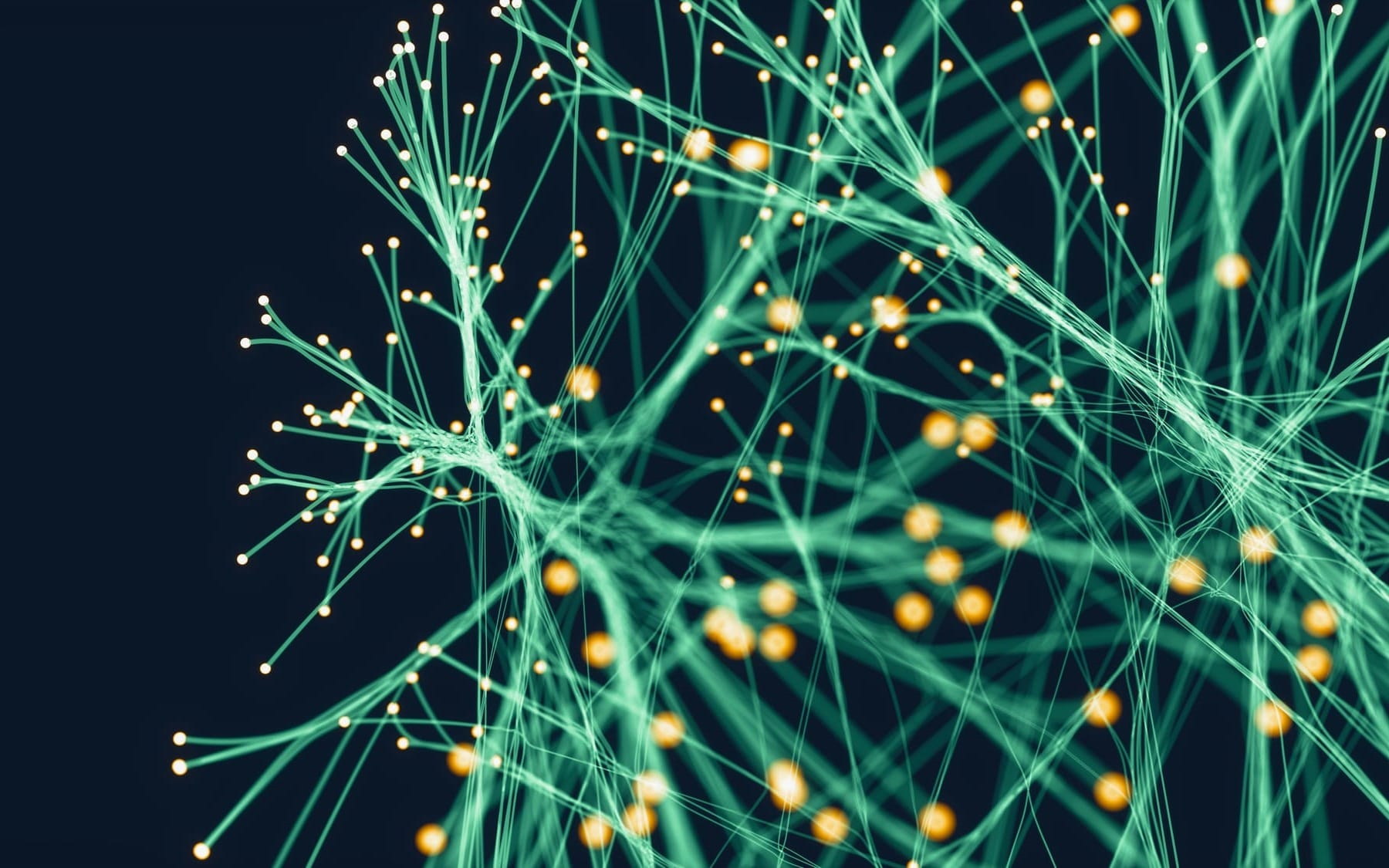
Deep within the prefrontal cortex lies a structure called the anterior cingulate cortex (ACC). Think of it as your brain's internal alarm system - the region that fires when you stub your toe on the corner of a table. Brain imaging studies have consistently found that this same region activates when you experience social rejection (Eisenberger et al., 2003). The alarm sounds for both.
Newer research adds a note of nuance. A recent review of human imaging and animal studies notes that the ACC and the insula are commonly activated by both physical and emotional pain (Zhuo, 2026). Yet a recent conceptual review argues that emotional pain may be best understood as a neuropsychological experience in its own right: the ACC and insula appear to play key roles in emotional pain, whereas physical pain leans more heavily on the somatosensory cortex, although the pathways partly overlap (Agrawal et al., 2026). Pain researchers make a similar point. Pain is defined as both a sensory and an emotional experience, and the two constructs overlap and influence each other in both directions (Gilam et al., 2020). In other words, the two kinds of hurt are close neighbours, not identical twins.
This is why the language we use for emotional pain is never merely metaphorical. When you say 'you crushed me' or 'that cut deep,' you are not reaching for poetry. You are offering, without knowing it, a biological description. Your nervous system experienced something structurally similar to a physical wound.
The Song of Belonging
For the vast majority of human existence, social connection was not a comfort - it was a survival mechanism. The brain learned to register exclusion as danger, and it still does (Cacioppo & Patrick, 2008). The 'pain' of rejection is, at its core, a survival signal. It is your brain saying: reconnect, because alone, you will not last.
Understanding this does not make the pain smaller. But it does make it less strange.
It is the echo of your humanity-your deep, biological longing to belong, to be held in community, to be seen and safe among others. Your hurt is not a sign of fragility. It is a sign of your deeply human need for belonging.
It is proof that you are wired for connection.
It is the oldest song your body remembers.
Why We Carry It in the Body
Emotional pain frequently 'hides' in the body. A tight jaw before a difficult conversation. A hollow pit in the stomach after a rejection. A weight in the chest that arrives with grief. This is the nervous system encoding experience - not into language or memory alone, but into muscle, fascia, and breath (van der Kolk, 2014). The body keeps the score, as the research puts it, long after the mind has tried to move on.
"Your pain is an opportunity for you to learn about yourself."- Gary Zukav
A Guided Practice: Making Friends with the Sensation
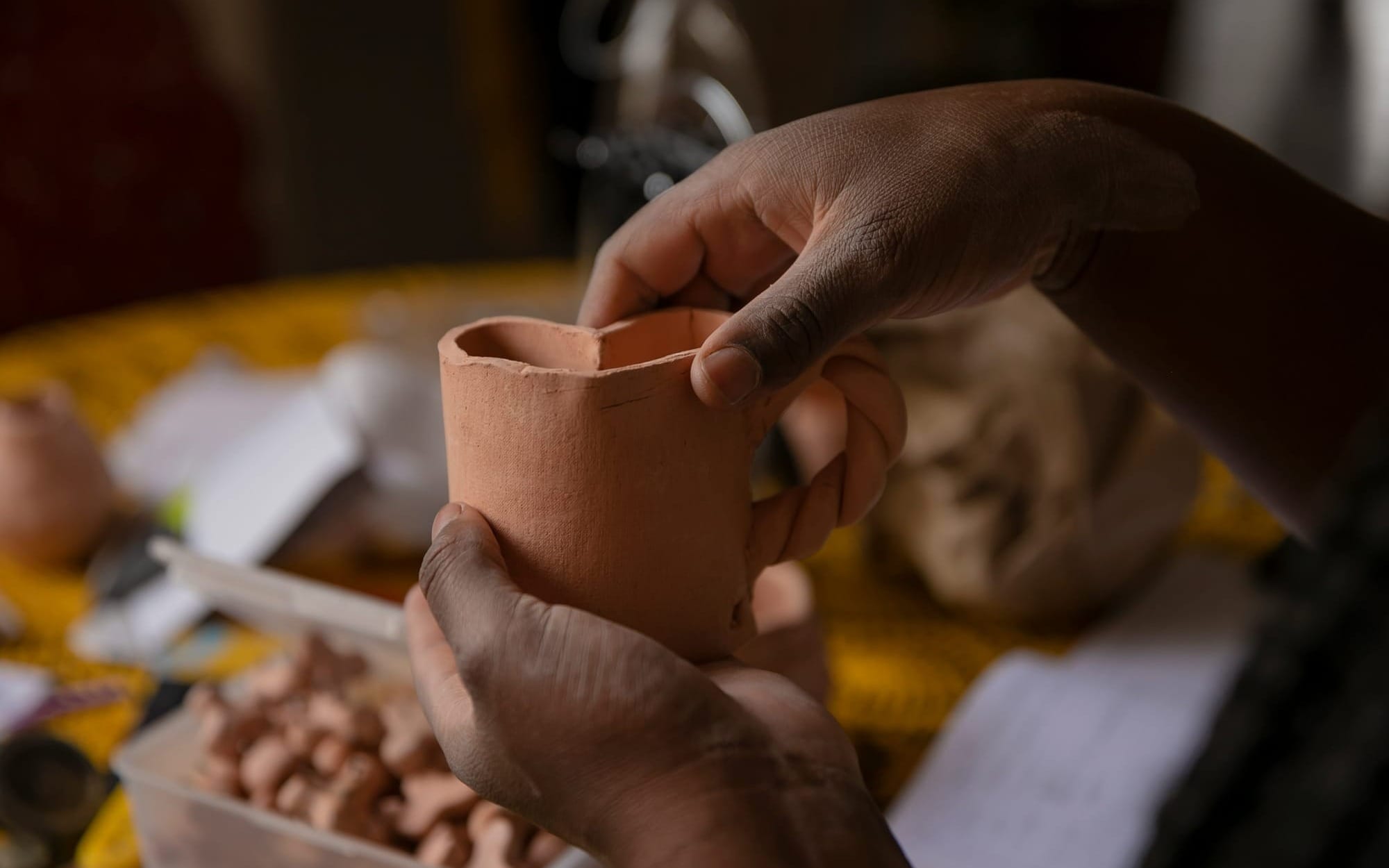
The following five practices are grounded in current research on emotion regulation and somatic psychology. They are not cures. They are tools - ways of relating to pain that reduce its grip without denying its presence.
Why body-based tools? One study found that physical sensation, including brief mild pain, can bring short-term relief from negative emotion, which led the researchers to question how heavily we lean on purely cognitive strategies such as reappraisal (Doukas et al., 2020). The body is a powerful doorway into the emotional system. The practices below use gentle sensation - breath, touch, attention - and nothing that hurts. If you ever find yourself reaching for pain in order to cope, that is worth sharing with a clinician, without shame, and the section on asking for help below is for you too.
1. Name It to Tame It
When emotional pain surges, the amygdala - the brain's threat-detection centre - becomes hyperactive. Research by Lieberman et al. (2007) demonstrates that the simple act of labelling an emotion in specific language shifts neural activity toward the prefrontal cortex, which acts as a regulatory brake.
The exercise: Instead of saying 'I'm dying' or 'this is too much,' try: 'I am feeling a sharp sensation of rejection in my chest' or 'I am experiencing a heavy wave of loneliness.' The more precise, the more effective.
The goal: Moving from being the emotion to observing it reduces its intensity. You are not the storm. You are the one watching the storm.
2. Somatic Tracking (Body Mapping)
Since emotional pain often lives in the body, you can work with the physical sensation directly - without needing to revisit the story behind it.
The exercise: Close your eyes and locate the physical sensation. Describe its qualities: Is it hot or cold? Does it have a shape? Is it moving or still? Sharp or diffuse?
The goal: By attending to the physicality rather than the narrative, you gently signal to the brain that the sensation is safe and temporary. Curiosity, not fight-or-flight.
3. Self-Compassionate Touch
The brain responds to physical touch by releasing oxytocin, which naturally moderates the 'sting' of social and emotional pain (Heinrichs et al., 2003).
The exercise: Place one hand on your heart and the other on your belly. Take three slow breaths. Alternatively, give yourself a 'butterfly hug' - cross your arms and tap your shoulders alternately, slowly.
The goal: This mimics the co-regulating effect of being held, lowering cortisol and activating the parasympathetic nervous system.
4. The Container Visualisation
When emotional pain feels overwhelming - flooding your entire day and crowding out everything else - it can help to create psychological distance through deliberate visualisation.
The exercise: Imagine a sturdy container - a safe, a box, a jar. Mentally place the painful memory or feeling inside it. Visualise closing the lid firmly, and putting it on a shelf you can reach when you are ready.
The goal: This does not delete the pain. It creates temporary distance, allowing you to function until you are genuinely resourced to process it.
5. Peripheral Vision Softening
Emotional pain narrows attention - cognitively and physiologically. This tunnel vision keeps the body in a state of alert. Deliberately expanding visual awareness interrupts the stress cycle.
The exercise: Stare at a point in front of you. Without moving your eyes, begin to notice the space at the far edges of your vision - left, right, above, below. Slowly expand your awareness until you can sense the whole room at once.
The goal: Activating peripheral vision signals the parasympathetic nervous system that there is no immediate predator. The emotional pain does not disappear, but the alarm quiets.
"We must embrace pain and burn it as fuel for our journey." - Kenji Miyazawa
When the Pain Refuses to Leave: Knowing When to Ask for Help
Sometimes, the backpack becomes too heavy to carry alone. And that is not a sign of weakness - it is simply a fact about the nature of certain kinds of pain.
Research on trauma shows why this weight can be so easy to miss. In a large online sample of trauma-exposed adults with probable PTSD, most people rated emotional pain, meaning sadness, guilt and shame, as more impairing than fear. Fear clustered with flashbacks, nightmares and exaggerated startle, while emotional pain clustered with loss of joy, negative beliefs and disturbed sleep. The authors suggest that emotional pain and fear may be distinct dimensions of PTSD, which could help guide more tailored treatment (Ben-Zion et al., 2026). That study concerned people with PTSD, so it is not a statement about every hard season of life.
Clinical guidelines offer two markers worth knowing - not as diagnostic criteria, but as gentle invitations to greater self-compassion. The first is duration: if the weight has not shifted in two weeks or more, it may deserve more than self-help (American Psychiatric Association, 2022). The second is what clinicians sometimes call 'loss of future sight' - the experience of being unable to imagine yourself in next month, next year, next summer. When the future disappears from view, that is a sign the nervous system needs more support than it can generate on its own.
Seeking that support is not about being a broken person in need of fixing. It is about getting a spotter for a weight that is simply too heavy for one pair of hands. Therapy, in particular evidence-based approaches such as somatic experiencing, EMDR, and trauma-informed CBT, has a strong record of helping people not just manage emotional pain, but metabolise it - to use it, rather than be used by it (van der Kolk, 2014).
If you are in that place right now, please reach out. To a therapist, to a trusted person, to a crisis line. You do not need to carry this alone.
Integration, Not Erasure: The Art of Growing Around the Ache

Here is something the self-help industry rarely tells you: we do not 'get over' emotional pain. We grow our lives around it. We build new rooms in ourselves - new capacities for meaning, for connection, for understanding - and the pain becomes proportionally smaller within a larger interior.
Post-traumatic growth research supports this (Tedeschi & Calhoun, 2004). The goal is not the erasure of what happened. It is integration - making what happened part of the story rather than all of it.
"Healing doesn't mean the damage never existed. It means the damage no longer controls your life."- attributed to Akshay Dubey
So respect your hurt. It is not a malfunction. It is your body's honest testimony that something mattered - that you were present enough, and open enough, and human enough to be affected by this life. The ache is just proof of your capacity to care.
And somewhere beneath all of it - beneath the weight, the sleepless nights, the conversations you rehearsed and never had - something keeps singing. Without words. Without stopping. That thing with feathers that perches in the soul.
That is worth carrying on for.
JOIN THE CONVERSATION
Where do you feel emotional pain in your body?
Is it a tight throat? A heavy chest? A restlessness in the legs? A hollow behind the ribs?
Let's map it together in the comments. You might find that naming it here is already a small act of relief.
Ready to Move From "Survival Mode" to True System Relief?
Carrying a heavy backpack day after day leaves your body completely exhausted yet unable to rest. If you are tired of living with a constantly triggered nervous system, download our free ebook, The Tired and Wired Reset. Learn the exact medical protocols to soothe chronic stress, release stored trauma, and finally put the weight down for good.
If this piece landed with you, consider sharing it with someone who is carrying a heavy backpack right now. Sometimes the most generous thing we can do is say: I see what you are holding, and you are not alone.
References
Agrawal, M., Vardhan, G., Singh, Y., Kathrotia, R., & Goel, A. (2026). Unseen wounds: Conceptualizing the experience of emotional pain as a distinct neuropsychological construct. Cureus, 18(3), Article e105475. https://doi.org/10.7759/cureus.105475
American Psychiatric Association. (2022). Diagnostic and statistical manual of mental disorders (5th ed., text rev.). American Psychiatric Association Publishing. https://doi.org/10.1176/appi.books.9780890425787
Ben-Zion, Z., Basol, E. Z., Simon, A. J., Abargil, M., Samonek, K., Paterson, M., Spiller, T. R., Duek, O., Just, S., Preller, K., Keynan, J. N., Admon, R., Liberzon, I., Shalev, A. Y., Hendler, T., Levy, I., Joormann, J., Scheinost, D., & Harpaz-Rotem, I. (2026). Dissecting fear and emotional pain in posttraumatic stress disorder: From symptom networks to neural signatures. Biological Psychiatry, 100(1), 111–121. https://doi.org/10.1016/j.biopsych.2025.11.016
Cacioppo, J. T., & Patrick, W. (2008). Loneliness: Human nature and the need for social connection. W. W. Norton & Company.
Doukas, A. M., D'Andrea, W. M., Gregory, W. E., Joachim, B., Lee, K. A., Robinson, G., Freed, S. J., Khedari-DePierro, V., Pfeffer, K. A., Todman, M., & Siegle, G. J. (2020). Hurts so good: Pain as an emotion regulation strategy. Emotion, 20(8), 1382–1389. https://doi.org/10.1037/emo0000656
Dowling, T. (2018). Compassion does not fatigue! The Canadian Veterinary Journal, 59(7), 749–750. https://pubmed.ncbi.nlm.nih.gov/30026620/
Eisenberger, N. I. (2012). The pain of social disconnection: Examining the shared neural underpinnings of physical and social pain. Nature Reviews Neuroscience, 13(6), 421–434. https://doi.org/10.1038/nrn3231
Eisenberger, N. I., Lieberman, M. D., & Williams, K. D. (2003). Does rejection hurt? An fMRI study of social exclusion. Science, 302(5643), 290–292. https://doi.org/10.1126/science.1089134
Gilam, G., Gross, J. J., Wager, T. D., Keefe, F. J., & Mackey, S. C. (2020). What is the relationship between pain and emotion? Bridging constructs and communities. Neuron, 107(1), 17–21. https://doi.org/10.1016/j.neuron.2020.05.024
Heinrichs, M., Baumgartner, T., Kirschbaum, C., & Ehlert, U. (2003). Social support and oxytocin interact to suppress cortisol and subjective responses to psychosocial stress. Biological Psychiatry, 54(12), 1389–1398. https://doi.org/10.1016/S0006-3223(03)00465-7
Lieberman, M. D., Eisenberger, N. I., Crockett, M. J., Tom, S. M., Pfeifer, J. H., & Way, B. M. (2007). Putting feelings into words: Affect labeling disrupts amygdala activity in response to affective stimuli. Psychological Science, 18(5), 421–428. https://doi.org/10.1111/j.1467-9280.2007.01916.x
Nordgren, L. F., Banas, K., & MacDonald, G. (2011). Empathy gaps for social pain: Why people underestimate the pain of social suffering. Journal of Personality and Social Psychology, 100(1), 120–128. https://doi.org/10.1037/a0020938
Tedeschi, R. G., & Calhoun, L. G. (2004). Posttraumatic growth: Conceptual foundations and empirical evidence. Psychological Inquiry, 15(1), 1–18. https://doi.org/10.1207/s15327965pli1501_01
Teichmüller, K., Galstyan, H., Bas, L. M., Kindl, G., Kanske, P., Rittner, H. L., & Reiter, A. M. F. (2025). Empathy and validation in chronic pain couples: A systematic review. Pain Reports, 10(6), Article e1343. https://doi.org/10.1097/PR9.0000000000001343
van der Kolk, B. A. (2014). The body keeps the score: Brain, mind, and body in the healing of trauma. Viking.
Zhuo, M. (2026). Cortical mechanism of emotional pain. Molecular Pain, 22, Article 17448069251414261. https://doi.org/10.1177/17448069251414261
AI disclosure
This article reflects the author's own clinical experience, ideas, and perspective. Claude (Anthropic) was used for editorial support in preparing this piece - including research assistance, citation verification, and structural polishing.