Seed Cycling for Hormonal Balance
Ready to move past temporary band-aid fixes for hormonal imbalances? This functional medicine guide explores the science behind seed cycling, how it interacts with your infradian rhythm, and how to practice cycle syncing safely.
A Functional Medicine Guide to Natural Cycle Syncing
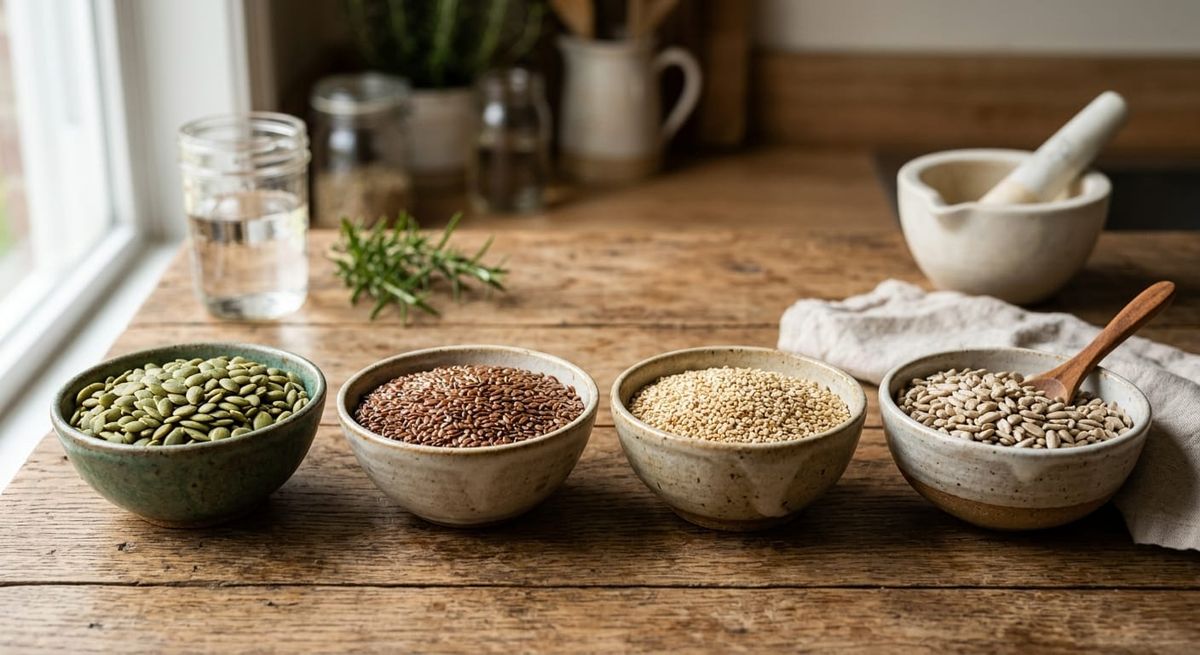
Explore how seed cycling uses flax, pumpkin, sesame, and sunflower seeds across the menstrual cycle, what the research does and does not show so far, and how to try it safely.
By Dr. Cristiana Coneru, MD, FRSM, FRCEM, CFMP, HCTP, Dip CNM, NBC‑HWC Founder of Health Visioning
1. Introduction: Moving Beyond "Band-Aid" Solutions for Hormonal Imbalance
If you have ever brought up heavy periods, intense mood swings, stubborn cystic acne, or debilitating PMS to a conventional medical practitioner, you may well have been offered the birth control pill (Lete & Lapuente, 2016; Lethaby et al., 2019). Combined hormonal contraceptives are an evidence-based option for heavy menstrual bleeding (Lethaby et al., 2019) and for premenstrual syndrome and premenstrual dysphoric disorder (Lete & Lapuente, 2016), and for many women they genuinely help. For decades, this has been a common first-line response - a one-size-fits-all answer to a highly nuanced bodily language. But a growing number of women are asking whether masking these disruptive symptoms with synthetic hormones is the whole story. The pill works by suppressing ovulation, creating an artificial state of anovulation (Segarra et al., 2023), so it does not address why a cycle may be painful or irregular in the first place. When some women come off the pill, the original symptoms can resurface
It is time for a paradigm shift. Instead of overriding your endocrine system, functional medicine looks at how we can work with it. Your body does not need to be silenced; it needs to be nourished and supported.
This is where food-as-medicine frameworks like cycle syncing and seed cycling come in (Dhamija et al., 2025; Nagarajan et al., 2025). These practices recognize that women are not linear: we operate on a dynamic, roughly monthly infradian rhythm (the textbook average is 28 days, but healthy cycles can range from about 21 to 40 days) (Eren, 2026). By tailoring your nutrition to match the distinct hormonal shifts of your menstrual cycle, you may be able to support your energy, mood, and skin health.
To look at this through a realistic and transparent lens: it is important to acknowledge that no large randomized controlled trials of seed cycling as a complete protocol have been published. The evidence so far consists of a handful of small pilot studies, case reports and one 2025 systematic review whose authors describe the evidence as moderate quality with small sample sizes and call for larger randomized trials (Eren, 2026; Nagarajan et al., 2025). Examples include a 2023 study of combined seeds as adjunct therapy in women with PCOS (Rasheed et al., 2023), a single-patient PCOS case report in which seed cycling was combined with myo-inositol and folic acid (Dhamija et al., 2025), and a 2026 industry-sponsored, single-arm trial of seed cycling capsules that also contained chasteberry (O'Gorman et al., 2026). Seeds are nutrient-dense foods: pumpkin, flax and sesame seeds, for example, supply essential fatty acids, minerals and bioactive plant compounds (Raza et al., 2026), and some of these nutrients, such as zinc, play recognized roles in reproductive physiology (Bedwal & Bahuguna, 1994). Whether eating them on a phase-by-phase schedule changes hormone levels has not yet been demonstrated (Eren, 2026). By incorporating these whole foods, we are adding nutrient-dense ingredients to a balanced diet. That is a reasonable foundation for overall health, but it is not a proven way to restore hormonal equilibrium.
2. The Mechanics: Understanding Your Infradian Rhythm
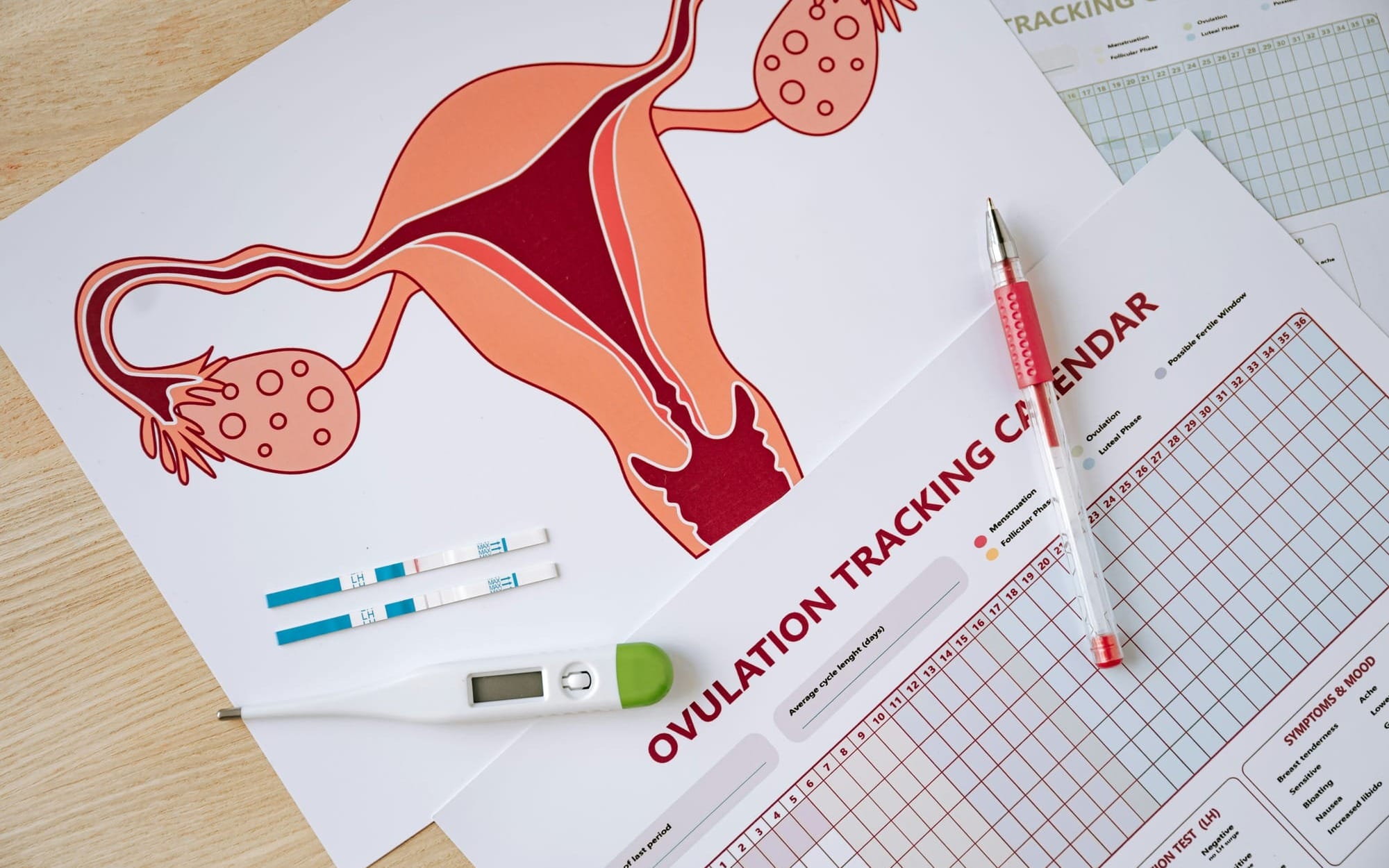
To truly understand how seed cycling works, we first have to step away from the traditional 24-hour clock and zoom out to your infradian rhythm—a biological rhythm longer than 24 hours, of which the menstrual cycle is the best-known human example (Écochard et al., 2024; Walters, 2026).
From a functional medicine perspective, this roughly monthly cycle isn't just about reproduction; hormone shifts across the cycle are associated with changes in energy, appetite, sleep, and pain perception for many women (Eren, 2026), and estrogen has roles well beyond reproduction, including in the brain, bone, heart, and liver (Yu et al., 2022).
This rhythm is split into two distinct, beautifully choreographed halves:
The Follicular Phase (Days 1–14 in a textbook 28-day cycle):
Triggered by the first day of your period, this phase is all about growth, renewal, and building. Your body begins preparing an egg for potential ovulation while simultaneously working to rebuild the endometrial lining that was just shed. This process is driven by a steady, gradual rise in estrogen (Williams & Erickson, 2012). Estrogen influences energy, cognition and mood, although the effects vary widely between individuals (Eren, 2026; Yu et al., 2022). The length of this phase varies from cycle to cycle (Eren, 2026).
The Luteal Phase (Days 15–28 in a textbook cycle; typically the 12–14 days after ovulation):
Occurring immediately after ovulation, the goal shifts from building a lining to sustaining it for potential implantation. The dominant driver here is progesterone, which is produced by the corpus luteum (the empty follicle left behind after ovulation) (Cable & Grider, 2023; Williams & Erickson, 2012). Progesterone is often referred to as the "calming" hormone; it balances some of the stimulating effects of estrogen, its metabolite allopregnanolone has calming effects on the nervous system (Wirth, 2011), and it keeps the uterine environment stable (Cable & Grider, 2023).
However, this delicate dance between estrogen and progesterone is sensitive to the world around us. In modern life, our endocrine systems are exposed to many potential disruptors.
Stress and the reproductive hormones interact in complex ways. In a study of naturally cycling women, acute stress raised both cortisol and progesterone (Herrera et al., 2016), and progesterone-derived neuroactive steroids appear to help dampen the body's stress response (Wirth, 2011). Whether chronic stress lowers progesterone in everyday life is plausible but less well established [citation needed], and the popular "progesterone steal" idea is discussed in Section 6. Meanwhile, gut bacteria influence how much estrogen is excreted versus reabsorbed (Hu et al., 2023; Wang et al., 2025), and xenoestrogens (synthetic chemicals found in plastics, some body-care products, and pesticides) can mimic or interfere with estrogen signalling, although the real-world risk to humans from everyday exposure is still debated (Singleton & Khan, 2003).
Some functional medicine practitioners use the term "estrogen dominance" for a relative excess of estrogen compared with progesterone and attribute painful cramps, mood shifts, heavy bleeding, and acne to it. It is not a standard diagnostic category in conventional endocrinology [citation needed], and these symptoms have many possible causes, including thyroid disorders, PCOS and, for heavy bleeding, structural problems, that deserve proper assessment (Eren, 2026; Lethaby et al., 2019). Seed cycling is promoted as a gentle nutritional approach to this imbalance, but it has not been shown to correct it (Eren, 2026; Nagarajan et al., 2025).
3. The 2-Step Seed Cycling Framework
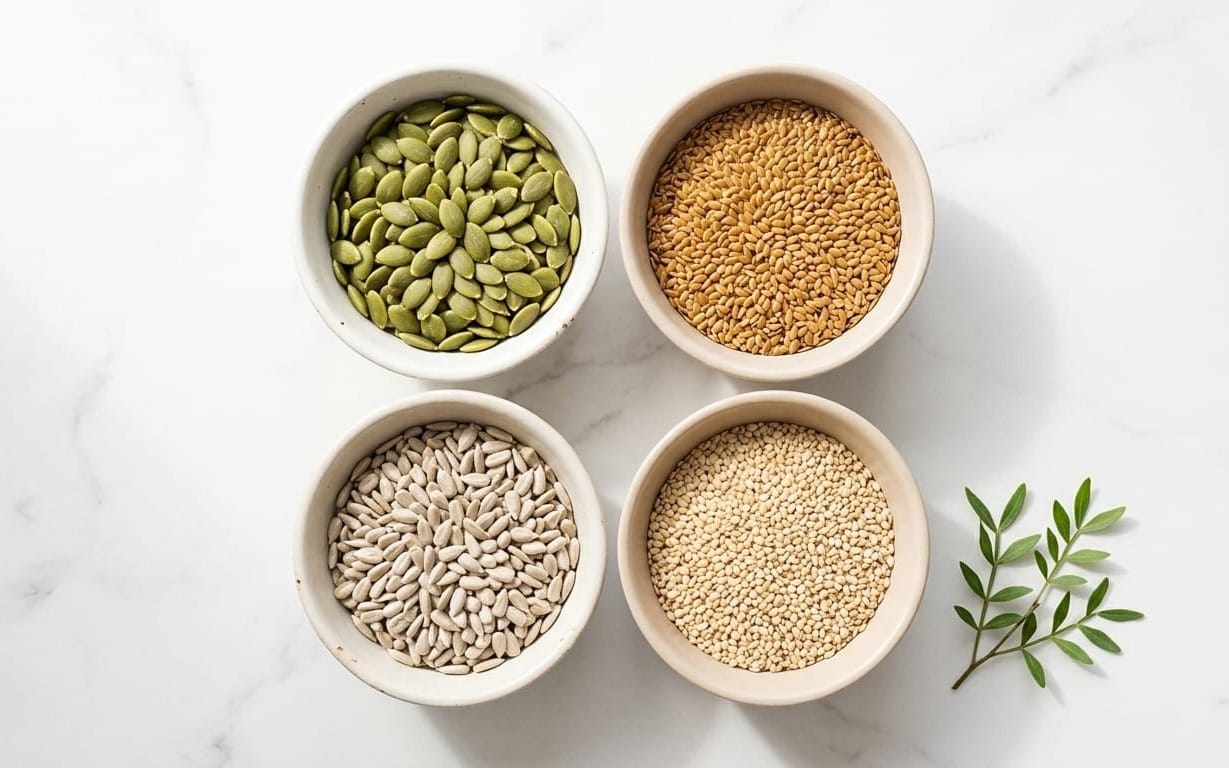
Now that we understand the shifting landscape of your infradian rhythm, let's look at how to practically align your nutrition with these two halves. The protocol itself is simple, relying on a strategic rotation of four nutrient-dense seeds (Nagarajan et al., 2025). The day 14/15 switch assumes a 28-day cycle with ovulation on day 14. If you track ovulation, you may prefer to switch the day after ovulation, because fixed-day schedules are out of step with many real cycles (Eren, 2026). Before diving into the detailed biological mechanisms, use this quick-reference table to see exactly what to do:
(from period to ovulation)
(from ovulation to next period)
The functional mechanism, and what the evidence shows: Phase 1
Flaxseed lignans: Gut bacteria convert flax lignans into enterolactone and enterodiol (Musazadeh et al., 2023), weak phytoestrogens that can bind estrogen receptors and may have mildly estrogenic or anti-estrogenic effects (Phipps et al., 1993). Human evidence that this changes hormone levels is limited. A meta-analysis of 10 randomized trials found no significant overall effect of flaxseed on FSH, SHBG, total testosterone, free androgen index or DHEAS (Musazadeh et al., 2023). In a crossover trial of 18 cycling women, daily flaxseed powder did not change estradiol or estrone, but it lengthened the luteal phase and raised the luteal progesterone-to-estradiol ratio (Phipps et al., 1993). That trial gave flaxseed throughout the cycle, not only in the follicular phase.
Pumpkin seed zinc: Pumpkin seeds provide zinc, a trace element important for reproductive function. In animal studies, zinc deficiency disrupted follicle development and altered FSH and progesterone levels (Bedwal & Bahuguna, 1994; Liu et al., 2024). That is not the same as showing that extra zinc from seeds improves ovulation in women who are not deficient (Eren, 2026).
The functional mechanism, and what the evidence shows: Phase 2
Sesame seed lignans and vitamin E: Sesame phytoestrogens have been proposed to support luteal-phase estrogen balance (Nagarajan et al., 2025), but direct human evidence that sesame changes estrogen levels at this stage of the cycle is lacking (Eren, 2026).
Sunflower seed selenium and vitamin E: Sunflower seeds are a source of vitamin E and selenium. Selenium is a component of selenoproteins such as glutathione peroxidases and thioredoxin reductases, which support antioxidant defence (Linus Pauling Institute, n.d.); it is not a cofactor for the sulfation and glucuronidation steps of liver detoxification. The idea that vitamin E or selenium from seeds raises progesterone has not been shown in human trials (Eren, 2026).
4. What If My Cycle Is Irregular or Absent? (The Lunar Alternative)
One of the most common frustrations women encounter when discovering seed cycling is a simple question: "How do I start tracking if I don't have a regular period?" If you are navigating amenorrhea (an absent period), highly unpredictable cycles due to PCOS, or if you are in post-menopause and looking to gently support your baseline health, finding a reliable "Day 1" can feel impossible. Traditional cycle syncing guides often leave these individuals feeling left out.
Before using any calendar-based approach, please note that periods that have stopped for three months (when you are not pregnant or on hormonal contraception), very irregular cycles, or any bleeding after menopause should be assessed by a clinician rather than managed with a seed schedule (Eren, 2026).
The Lunar Calendar Option
Many cultures have long linked the menstrual cycle with the moon, and many seed-cycling guides use the moon as an external calendar when there is no reliable Day 1 (Seed Cycle, n.d.). This is a convention, not a treatment. The lunar cycle lasts approximately 29.5 days, which is close to the average menstrual cycle length (Écochard et al., 2024), although healthy cycles range from about 21 to 40 days (Eren, 2026). The research on a real lunar influence is mixed. One analysis of long-term menstrual records found that cycles longer than 27 days were intermittently synchronous with the moon's light and gravity cycles, with that synchrony lost with age and exposure to artificial light at night (Helfrich-Förster et al., 2021). A larger dataset found only a weak association that differed between European and North American women, and earlier reports of a relationship have often been questioned on methodological grounds (Écochard et al., 2024). An early study reported that a significant number of women menstruated around the new moon (Law, 1986) [verify against the original paper]. There is no evidence that anchoring seed rotation to the moon retrains the body's internal clock or restores regular cycles.
If you would like to use the moon as your calendar:
New Moon to Full Moon (the follicular proxy): The new moon represents a time of renewal and new beginnings, much like the start of menstruation. On the day of the New Moon, begin your Phase 1 protocol. Consume 1 tablespoon of freshly ground flaxseeds and 1 tablespoon of raw pumpkin seeds daily. Continue this for roughly 14 to 15 days until the moon is fully illuminated.
Full Moon to New Moon (the luteal proxy): The full moon represents peak brightness and culmination. On the day of the Full Moon, transition to your Phase 2 protocol. Consume 1 tablespoon of freshly ground sesame seeds and 1 tablespoon of raw sunflower seeds daily. Continue this for the next 14 to 15 days as the moon wanes back into darkness.
Whether you are keeping a routine while you wait for a medical assessment, tracking unpredictable cycles, or looking for a simple structure after menopause, consistency is your greatest tool. Seed cycling by the moon has not been shown to bring back a missing period, stabilise cycles, or reduce menopausal symptoms such as hot flashes; evidence for flaxseed and hot flashes is mixed (Eren, 2026). By repeating this predictable roughly 29.5-day rhythm, you give your body a simple, nutrient-rich routine.
5. Clinical Best Practices & Bioavailability Rules
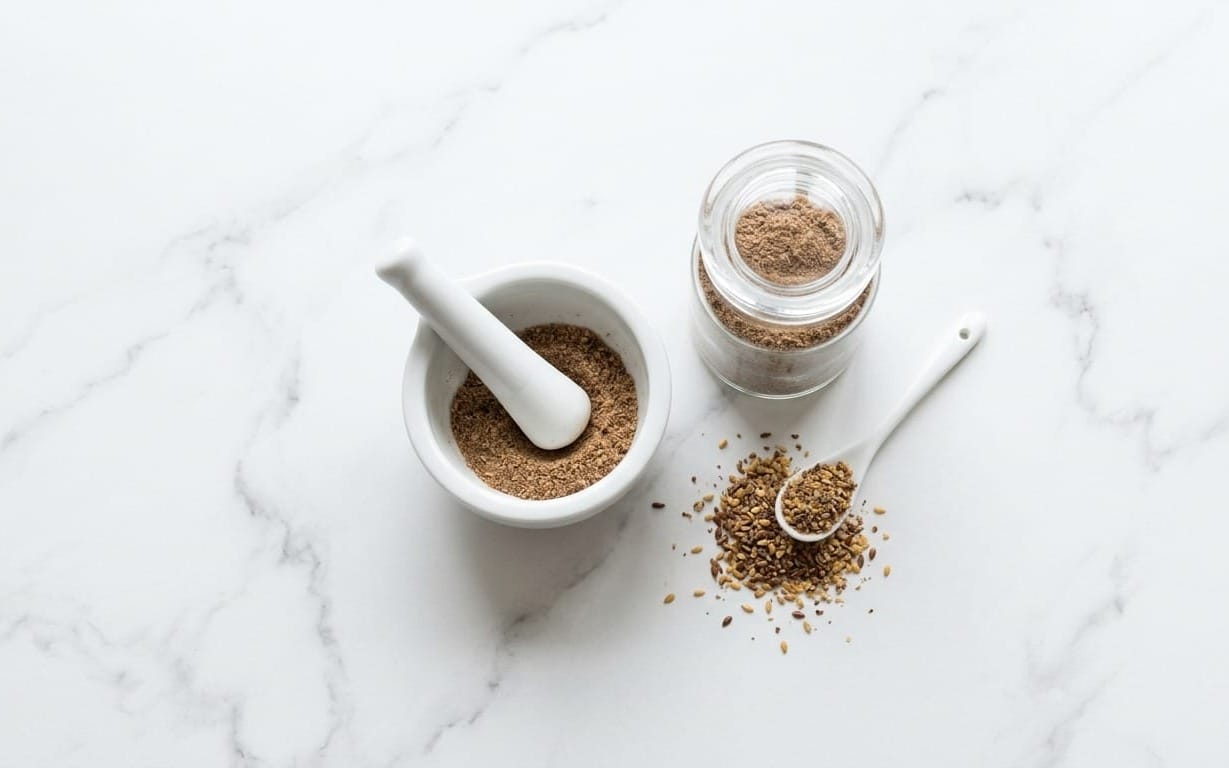
Understanding which seeds to eat is only half the battle. To get the most nutritional value from this protocol, it helps to respect the biochemistry of the seeds themselves. Skipping the proper preparation and storage steps can reduce what you absorb and shorten the life of your seeds. To ensure you or your patients get the most from the seeds, follow these three practical rules:
1. The Bioavailability Rule: Freshly Ground Is Best
A common mistake is eating whole flaxseeds straight from the bag. The hard seed coat resists digestion, and whole flaxseed delivers the least alpha-linolenic acid (ALA) and lignan (SDG) of the forms of flaxseed available (Nowak & Jeziorek, 2023). Sesame seeds are also commonly ground or lightly crushed to improve digestibility [citation needed; sources differ on whether pumpkin, sesame and sunflower seeds need grinding (Eren, 2026)]. To unlock their nutritional potential, flax in particular should be ground. Grinding your seeds yourself in small batches, with an inexpensive electric coffee or spice grinder, keeps them freshest. Pre-ground flax is a reasonable convenience if it is stored sealed and cool (Eren, 2026). Buy your seeds raw and whole.
2. The Stability Rule: Cold Storage Slows Oxidation
The nutritional value of these seeds comes largely from their high concentration of polyunsaturated fatty acids (PUFAs), including essential omega-3s. While these fats are valuable, they are also chemically fragile and prone to oxidation and rancidity (Jing et al., 2025; Parikh et al., 2019). Once a seed is ground, its inner oils are exposed to light, heat, and oxygen [this is a reasonable inference; I did not locate a direct study of ground-seed stability]. Rancid seeds taste bitter and unpleasant and are best discarded. To slow oxidation, store ground seeds in an airtight glass jar inside the refrigerator or freezer (Eren, 2026). A practical approach is to grind only enough to last 3 to 7 days at a time; this is a practical recommendation, not a study-defined period.
3. The Timeline Expectation: Give Your Body About Three Cycles
Because seed cycling relies on gentle, whole-food nutrition rather than synthetic chemicals, it requires patience and realistic expectations. No trial has established how long seed cycling takes to work, or whether it does. Published studies in this area have followed women for roughly two to three cycles (O'Gorman et al., 2026; Phipps et al., 1993). A sensible approach is to record your symptoms for two cycles as a baseline, then follow the protocol consistently for about three cycles before judging whether it has helped (Eren, 2026). Improvements may also come from added fibre, better overall diet quality, symptom tracking, or expectation, rather than from the seeds' timing (Eren, 2026). Think of seed cycling as a slow, supportive lifestyle rhythm, a way of tending to the garden of your wellbeing so that it can bloom over time.
6. The Bigger Picture: Integrating Root-Cause Support
While seed cycling is a food-based tool that adds nutrition to your day, it is essential to remember that it is a supportive foundation rather than a magic bullet or a standalone cure. Your endocrine system does not operate in a vacuum. Hormones are influenced by everything from the health of your digestive tract to the contents of your bathroom cabinet and the state of your nervous system.
To support your hormonal health over the long term, seed cycling should be integrated into a broader, holistic lifestyle strategy. Think of these three companion habits as pieces of your root-cause hormone care:
Nourish the Estrobolome
You can consume all the flax and sesame seeds in the world, but if your gut microbiome is not supporting healthy estrogen metabolism, some conjugated estrogen may be reactivated and reabsorbed rather than excreted (Hu et al., 2023). The estrobolome is the collection of gut bacteria whose genes encode enzymes, notably β-glucuronidase, that metabolise estrogens (Hu et al., 2023).
A high-fibre, diverse diet rich in prebiotic foods (like leeks, garlic, onions, and asparagus) and cruciferous vegetables is good for the gut and overall health, and may support healthy estrogen metabolism. The evidence is early: in a small study of 29 postmenopausal women with breast cancer, total and soluble fibre were inversely associated with some bacteria linked to β-glucuronidase activity, but serum estradiol and estrone were not significantly correlated with fibre intake (Zengul et al., 2021).
Reduce Endocrine Disruptors
Your daily environment can also influence your hormones. Many conventional home and beauty products contain compounds suspected of endocrine-disrupting activity, such as phthalates, parabens, and BPA, that may mimic estrogen or interfere with hormone receptors. However, the true risk to humans from everyday exposure is still debated, and clear-cut links to major health problems are limited (Singleton & Khan, 2003).
As a reasonable precaution, you can minimise exposure by: switching plastic food containers and water bottles for glass or stainless steel, and transitioning toward clean, non-toxic skincare and household cleaning products.
Manage Stress (and the "Progesterone Steal" Idea)
Chronic, unmanaged stress is harmful to overall health. When your brain perceives a constant threat (whether from a demanding job, lack of sleep, or skipping meals), it activates the stress response and cortisol release.
Cortisol and progesterone are both made from the precursor pregnenolone. This gave rise to the "pregnenolone steal" (often called "progesterone steal") hypothesis: the idea that stress diverts pregnenolone away from progesterone. The hypothesis is popular in functional medicine but has not been confirmed. Steroid hormones are made in different tissues and cell types, and no shared pool of pregnenolone has been described that cortisol production could drain (ZRT Laboratory, n.d.). In the human study cited earlier, stress raised progesterone alongside cortisol (Herrera et al., 2016). Stress-reduction practices such as breathwork, time in nature, and good sleep remain sensible for overall health.
Clinical Deep-Dive: A Note on the Estrobolome
Because your gut and your hormones communicate with each other, digestive health is one piece of the hormone picture. This is where a specialized player comes into focus: the estrobolome.
The estrobolome is not a physical organ, but rather the collection of gut microbes, and their genes, that metabolize estrogens. It is one of several processes, alongside the liver and other tissues, that regulate circulating estrogen (Hu et al., 2023). In a randomized trial of 111 peri- and postmenopausal women, a probiotic formula with β-glucuronidase activity helped maintain serum estrogen compared with placebo (Honda et al., 2024). Notably, in menopause, when estrogen is falling, higher β-glucuronidase activity may be beneficial rather than harmful. The study was conducted by authors affiliated with the probiotic's manufacturer.
How the Estrobolome Works
1. The Liver's Job: Your liver works hard to filter used estrogens from your bloodstream. It attaches a molecule (conjugation), making them water-soluble, and sends them down into the intestines to be excreted in your stool.
2. The Gut's Intervention: When that conjugated estrogen passes through the gut, most of it leaves the body. However, some gut bacteria produce an enzyme called beta-glucuronidase, and its activity varies between individuals and with gut health.
3. The Recirculation Trap: This enzyme acts like a pair of biological scissors. It snips the conjugate off, reactivating the estrogen so that it can be reabsorbed into the bloodstream (Hu et al., 2023).
Why It Matters to Your Health
Altered β-glucuronidase activity and estrogen metabolism have been linked to estrogen-related conditions, including gynecological cancers and menopausal symptoms (Hu et al., 2023). Direct evidence that estrobolome dysregulation causes severe PMS, hormonal acne, endometriosis, fibroids, ovarian cysts, or weight retention is lacking
How to Support Your Estrobolome
Eat the Rainbow: Aim for a high-fibre, diverse diet. Dietary fibre acts as a prebiotic, feeding beneficial microbes. Early research suggests prebiotics and probiotics may influence estrogen levels, but this is an emerging area (Wang et al., 2025).
Include Cruciferous Vegetables: Broccoli, kale, Brussels sprouts, and cauliflower contain sulforaphane and indole compounds such as DIM, which are being studied for breast cancer prevention (Ho et al., 2025). Whether eating them improves estrogen clearance in healthy cycling women has not been established.
Add Bitter Greens: Arugula and dandelion greens are fibre-rich, nutrient-dense additions to a diverse diet.
7. Conclusion & Next Steps
Reclaiming your hormonal health does not have to mean relying on synthetic overrides or feeling powerless against your own body. Your menstrual cycle is not a burden to be silenced; it is a vital sign and a powerful feedback loop. Embracing a food-as-medicine framework like seed cycling can empower you to take the reins of your health into your own hands. By matching whole seeds to the shifting rhythm of your cycle, you add nourishing foods to your day, which is a gentle foundation for your wellbeing.
True, vibrant health is built on small, deliberate, daily choices. As you begin syncing your nutrition with your unique biological clock, remember to give your body grace and time to find its footing. You possess the capability to heal, rewrite your health story, and live in alignment with your natural rhythms.
Take the Next Step in Your Health Journey
You don't have to navigate your hormonal health alone. If you're looking for a clear, personalized path to feeling your best, we are ready to walk this journey with you.
Book a Comprehensive Functional Medicine Appointment
Let's deep-dive into your unique biochemistry. Together, we can utilize advanced functional lab testing to uncover the true root causes of your symptoms, evaluate your hormone metabolism pathways, and design a clinical protocol built specifically for your body.
Join the "Hormones in Harmony: Balance Begins Within" Program
Hormonal transformation takes time, consistency, and a supportive environment. Our signature 6-month health coaching package is expertly structured to provide you with continuous, high-touch guidance, personalized dietary syncing strategies, and the day-to-day accountability you need to build sustainable lifestyle habits that stick for life.
References:
Bedwal, R. S., & Bahuguna, A. (1994). Zinc, copper and selenium in reproduction. Experientia, 50(7), 626–640. https://doi.org/10.1007/BF01952862
Cable, J. K., & Grider, M. H. (2023). Physiology, progesterone. In StatPearls. StatPearls Publishing. https://www.ncbi.nlm.nih.gov/books/NBK558960/
Dhamija, P., More, A., Choudhary, N., Wadhe, T., Barai, J., & Shah, D. (2025). Seed cycling and hormonal balance: A case study of successful fertility intervention in polycystic ovarian syndrome. Journal of Pharmacy and Bioallied Sciences, 17(Suppl 1), S1030–S1033. https://doi.org/10.4103/jpbs.jpbs_164_25
Écochard, R., Stanford, J. B., Fehring, R. J., Schneider, M., Najmabadi, S., & Gronfier, C. (2024). Evidence that the woman's ovarian cycle is driven by an internal circamonthly timing system. Science Advances, 10(15), Article eadg9646. https://doi.org/10.1126/sciadv.adg9646
Eren, Ş. (2026, October 15). Cycle syncing and seed cycling: What the trends claim and what the evidence shows. Acıbadem International. https://acibademinternational.com/blog/cycle-syncing-and-seed-cycling-what-the-trends-claim-and-what-the-evidence-shows/
Helfrich-Förster, C., Monecke, S., Spiousas, I., Hovestadt, T., Mitesser, O., & Wehr, T. A. (2021). Women temporarily synchronize their menstrual cycles with the luminance and gravimetric cycles of the Moon. Science Advances, 7(5), Article eabe1358. https://doi.org/10.1126/sciadv.abe1358
Herrera, A. Y., Nielsen, S. E., & Mather, M. (2016). Stress-induced increases in progesterone and cortisol in naturally cycling women. Neurobiology of Stress, 3, 96–104. https://doi.org/10.1016/j.ynstr.2016.02.006
Ho, E., Wong, C. P., Bouranis, J. A., Shannon, J., & Zhang, Z. (2025). Cruciferous vegetables, bioactive metabolites, and microbiome for breast cancer prevention. Annual Review of Nutrition, 45(1), 171–195. https://doi.org/10.1146/annurev-nutr-062222-024321
Honda, S., Tominaga, Y., Espadaler-Mazo, J., Huedo, P., Aguiló, M., Perez, M., Ueda, T., & Sawashita, J. (2024). Supplementation with a probiotic formula having β-glucuronidase activity modulates serum estrogen levels in healthy peri- and postmenopausal women. Journal of Medicinal Food, 27(8), 720–727. https://doi.org/10.1089/jmf.2023.k.0320
Hu, S., Ding, Q., Zhang, W., Kang, M., Ma, J., & Zhao, L. (2023). Gut microbial beta-glucuronidase: A vital regulator in female estrogen metabolism. Gut Microbes, 15(1), Article 2236749. https://doi.org/10.1080/19490976.2023.2236749
Jing, Y., Song, Z., Li, H., Wei, X., Xie, J., & Shen, M. (2025). The quality and oxidative stability of flaxseed oils of varying degrees of refinement. Grain & Oil Science and Technology, 8(3), 163–174. https://doi.org/10.1016/j.gaost.2025.05.002
Law, S. P. (1986). The regulation of menstrual cycle and its relationship to the moon. Acta Obstetricia et Gynecologica Scandinavica, 65(1), 45–48. https://doi.org/10.3109/00016348609158228
Lete, I., & Lapuente, O. (2016). Contraceptive options for women with premenstrual dysphoric disorder: Current insights and a narrative review. Open Access Journal of Contraception, 7, 117–125. https://doi.org/10.2147/OAJC.S97013
Lethaby, A., Wise, M. R., Weterings, M. A. J., Bofill Rodriguez, M., & Brown, J. (2019). Combined hormonal contraceptives for heavy menstrual bleeding. Cochrane Database of Systematic Reviews, 2019(2), Article CD000154. https://doi.org/10.1002/14651858.CD000154.pub3
Linus Pauling Institute. (n.d.). Selenium. Oregon State University. Retrieved October 29, 2026, from https://lpi.oregonstate.edu/mic/minerals/selenium
Liu, W.-J., Li, L.-S., Lan, M.-F., Shang, J.-Z., Zhang, J.-X., Xiong, W.-J., Lai, X.-L., & Duan, X. (2024). Zinc deficiency deteriorates ovarian follicle development and function by inhibiting mitochondrial function. Journal of Ovarian Research, 17, Article 115. https://doi.org/10.1186/s13048-024-01442-z
Musazadeh, V., Nazari, A., Natami, M., Hajhashemy, Z., Kazemi, K. S., Torabi, F., Moridpour, A. H., Vajdi, M., & Askari, G. (2023). The effect of flaxseed supplementation on sex hormone profile in adults: A systematic review and meta-analysis. Frontiers in Nutrition, 10, Article 1222584. https://doi.org/10.3389/fnut.2023.1222584
Nagarajan, D. R., Mani Jacob, D., Munir Mufti, M., Rajesh, S., & Dube, R. (2025). Efficacy of seed cycling as an integrative therapy for premenstrual syndrome and polycystic ovary syndrome in reproductive-aged women: A systematic review. Cureus, 17(8), Article e90997. https://doi.org/10.7759/cureus.90997
Nowak, W., & Jeziorek, M. (2023). The role of flaxseed in improving human health. Healthcare, 11(3), Article 395. https://doi.org/10.3390/healthcare11030395
O'Gorman, E., Kaunzner, U. W., & Mitschke, S. (2026). Symptoms of premenstrual syndrome in women receiving seed cycling capsules with chasteberry: A single-arm clinical trial over two cycles. Cureus, 18(8), Article e115036. https://doi.org/10.7759/cureus.115036
Parikh, M., Maddaford, T. G., Austria, J. A., Aliani, M., Netticadan, T., & Pierce, G. N. (2019). Dietary flaxseed as a strategy for improving human health. Nutrients, 11(5), Article 1171. https://doi.org/10.3390/nu11051171
Phipps, W. R., Martini, M. C., Lampe, J. W., Slavin, J. L., & Kurzer, M. S. (1993). Effect of flax seed ingestion on the menstrual cycle. The Journal of Clinical Endocrinology & Metabolism, 77(5), 1215–1219. https://doi.org/10.1210/jcem.77.5.8077314
Rasheed, N., Ahmed, A., Nosheen, F., Imran, A., Islam, F., Noreen, R., Chauhan, A., Shah, M. A., & Amer Ali, Y. (2023). Effectiveness of combined seeds (pumpkin, sunflower, sesame, flaxseed): As adjacent therapy to treat polycystic ovary syndrome in females. Food Science & Nutrition, 11(6), 3385–3393. https://doi.org/10.1002/fsn3.3328
Raza, N., Sadaf, A., Mushtaq, R., Mehmood, M. A., Amrao, L., Islam, F., Afzaal, M., & Shah, M. A. (2026). Nutritional and health potential of edible seeds: Micronutrient bioavailability and mechanistic insights. Food Science & Nutrition, 14(2), Article e71480. https://doi.org/10.1002/fsn3.71480
Seed Cycle. (n.d.). Seed cycling with moon phases: Sync your cycle naturally. https://www.seedcycle.com/blogs/new-to-seed-cycling-start-here/seed-cycling-with-moon-phases-sync-your-cycle-naturally
Segarra, I., Menárguez, M., & Roqué, M. V. (2023). Women's health, hormonal balance, and personal autonomy. Frontiers in Medicine, 10, Article 1167504. https://doi.org/10.3389/fmed.2023.1167504
Singleton, D. W., & Khan, S. A. (2003). Xenoestrogen exposure and mechanisms of endocrine disruption. Frontiers in Bioscience, 8(6), 110–118. https://doi.org/10.2741/1010
Walters, M. (2026, August 3). Get to know your infradian rhythm to optimize your body's cycles. Healthline. https://www.healthline.com/health/womens-health/infradian-rhythm
Wang, H., Shi, F., Zheng, L., Zhou, W., Mi, B., Wu, S., & Feng, X. (2025). Gut microbiota has the potential to improve health of menopausal women by regulating estrogen. Frontiers in Endocrinology, 16, Article 1562332. https://doi.org/10.3389/fendo.2025.1562332
Williams, C. J., & Erickson, G. F. (2012). Morphology and physiology of the ovary. In K. R. Feingold, R. A. Adler, & S. F. Ahmed (Eds.), Endotext. MDText.com. https://www.ncbi.nlm.nih.gov/books/NBK278951/
Wirth, M. M. (2011). Beyond the HPA axis: Progesterone-derived neuroactive steroids in human stress and emotion. Frontiers in Endocrinology, 2, Article 19. https://doi.org/10.3389/fendo.2011.00019
Zengul, A. G., Demark-Wahnefried, W., Barnes, S., Morrow, C. D., Bertrand, B., Berryhill, T. F., & Frugé, A. D. (2021). Associations between dietary fiber, the fecal microbiota and estrogen metabolism in postmenopausal women with breast cancer. Nutrition and Cancer, 73(7), 1108–1117. https://doi.org/10.1080/01635581.2020.1784444
ZRT Laboratory. (n.d.). Re-assessing the notion of "pregnenolone steal". https://zrtlab.com/blog/archive/reassessing-pregnenolone-steal
AI disclosure
This article reflects the author's own clinical experience, ideas, and perspective. Claude (Anthropic) was used for editorial support in preparing this piece - including research assistance, citation verification, and structural polishing.