
Beyond the Tick Bite: The Functional Medicine Approach to Chronic Lyme, Co-Infections, and Mold
For thousands living with chronic Lyme, standard care often leaves them stranded. True recovery requires moving past a "kill the bug" mentality. Discover how Functional Medicine addresses the three pillars of chronic illness: persistent infections, co-infections, and mold.
By Dr. Cristiana Coneru, MD, FRSM, FRCEM, CFMP, HCTP, Dip CNM, NBC‑HWC Founder of Health Visioning
Introduction
For thousands of individuals living with chronic Lyme disease, the most debilitating symptom isn't the physical pain or the crushing fatigue—it is the isolation of not being believed. Too often, patients are met with a dismissive "it's all in your head" when standard lab work comes back normal, or they are told that a conventional course of antibiotics has officially "cured" them. Yet, day after day, they wake up feeling profoundly ill. Their lived reality completely contradicts the clinical checkboxes, leaving them stranded in a medical gap where their suffering is invalidated.
To break this cycle of chronic illness, we must look beyond conventional protocols and adopt a Functional Medicine framework. This approach marks a fundamental paradigm shift: we must move away from the reductive strategy of simply "killing the bug" with endless rounds of antimicrobials. Instead, Functional Medicine views the human body as an interconnected ecosystem. When a system has been pushed into a state of chronic dysfunction, treating a single microbe is rarely enough. True recovery requires us to stop looking at symptoms in isolation and start focused work on resetting, repairing, and rebalancing the entire ecosystem from the inside out.
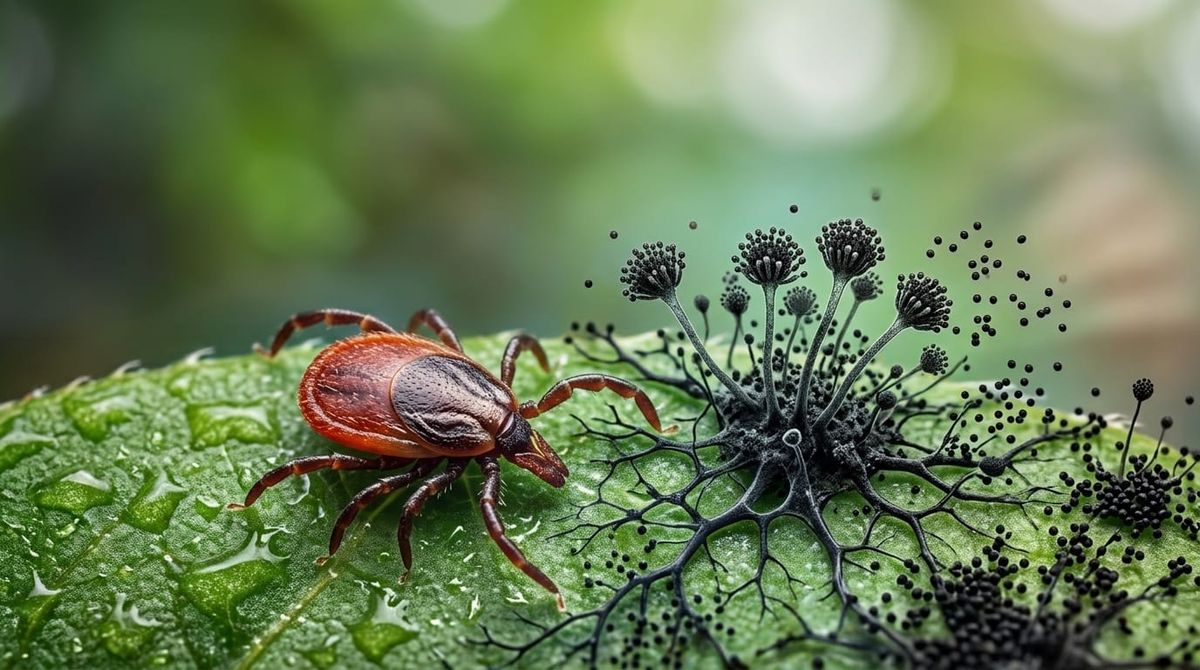
To truly heal from chronic Lyme, you cannot rely on a single magic bullet. You must look at the bigger picture and address what we call the three pillars of the chronic illness storm: persistent infections that may evade standard treatments, co-infections that can be passed along by tick bites, and environmental stressors like mold that may keep the immune system stuck in a state of constant, exhausting overload.
The Functional Medicine Philosophy vs. The Conventional Model

The Conventional Limits
Conventional medicine is built upon a single-pathogen model - a straightforward approach designed to identify a specific enemy and destroy it. When it comes to acute tick bites, this model works well: standard medicine targets Borrelia burgdorferi (the bacteria responsible for Lyme disease) with a short-term course of antibiotics, typically lasting 10 to 14 days for an early skin rash. For an early, uncomplicated infection, this acute intervention is usually effective (Lantos et al., 2021).
However, this rigid approach often falls short for people whose symptoms continue. By looking solely through the lens of a single active pathogen, conventional protocols may fail to account for what happens when the infection triggers a complex cascade of system-wide dysregulation (Wester et al., 2024).
Why symptoms persist is an open scientific question. Persistent bacteria is one hypothesis (Cabello et al., 2022; Donta et al., 2021), and researchers are also studying immune dysregulation and other mechanisms (Wester et al., 2024). Current medical guidelines advise against prolonged antibiotic courses for persistent symptoms after standard treatment (Lantos et al., 2021), and this is one reason a broader approach is of interest. For many patients, the bacteria may no longer be the only—or even the primary—driver of their ongoing sickness. Treating a long-term, multi-layered illness with the same short-term "kill the bug" mentality can overlook the physiological strain, lingering immune dysfunction, and systemic imbalance left in the wake of the initial bite (Cairns, 2020).
The Functional Approach
In contrast, Functional Medicine shifts the focus from the pathogen to the person, introducing the crucial concept of the total toxic load (or total allostatic load). Think of the body as a bucket, an analogy practitioners use to describe how many stressors can add up: a tick bite is just one drop. Over time, other stressors may fill that bucket—poor diet, other infections, heavy metals, chronic stress, and environmental exposures like mold (Kraft et al., 2021). When the bucket finally overflows, chronic symptoms may emerge. This is a way of thinking about illness, not a measured clinical score. Instead of just trying to kill a single microbe, Functional Medicine focuses on emptying the bucket by addressing the systemic roots of the illness through three main strategies:
Reducing systemic inflammation: Overactive immune responses can create a firestorm of inflammation that damages tissues and contributes to widespread pain and fatigue. Functional medicine uses targeted nutrition, herbal therapies, and lifestyle changes that may help modulate this inflammation (Ghasemian et al., 2016).
Supporting the host immune system: Rather than overriding the body with endless prescription treatments, this approach focuses on rebuilding the patient's natural defenses. Both infection and antibiotic treatment can disturb the gut microbiome and immune responses (Napier et al., 2025; Sachan et al., 2026), which is one reason gut health is a focus. Correcting nutrient deficiencies and supporting the gut is a reasonable foundation for immune resilience, although benefits specifically in Lyme disease have not yet been shown in clinical trials.
Optimizing cellular energy and supporting elimination pathways: Oxidative stress and impaired cellular energy production (the mitochondria are the powerhouses of your cells) have been proposed as part of the picture in Lyme disease (Mantle et al., 2022; Peacock et al., 2015). Functional Medicine works to support cellular energy production, and also emphasizes supporting the body's natural elimination pathways—such as the liver, kidneys, and lymphatic system—as part of general health.
📊 Is Inflammation Fueling Your Chronic Symptoms?
If standard lab tests are coming back "normal" but you still feel profoundly ill, your immune system may be locked in a state of constant, exhausting overload.
👉 Take our quick, evidence-based Chronic Inflammation Quiz to uncover your hidden triggers and find out exactly where your body's ecosystem needs a reset.
The Hidden Accomplices: The Role of Co-Infections
Pillar 1: Persistent Infections and the Stealth Nature of Borrelia
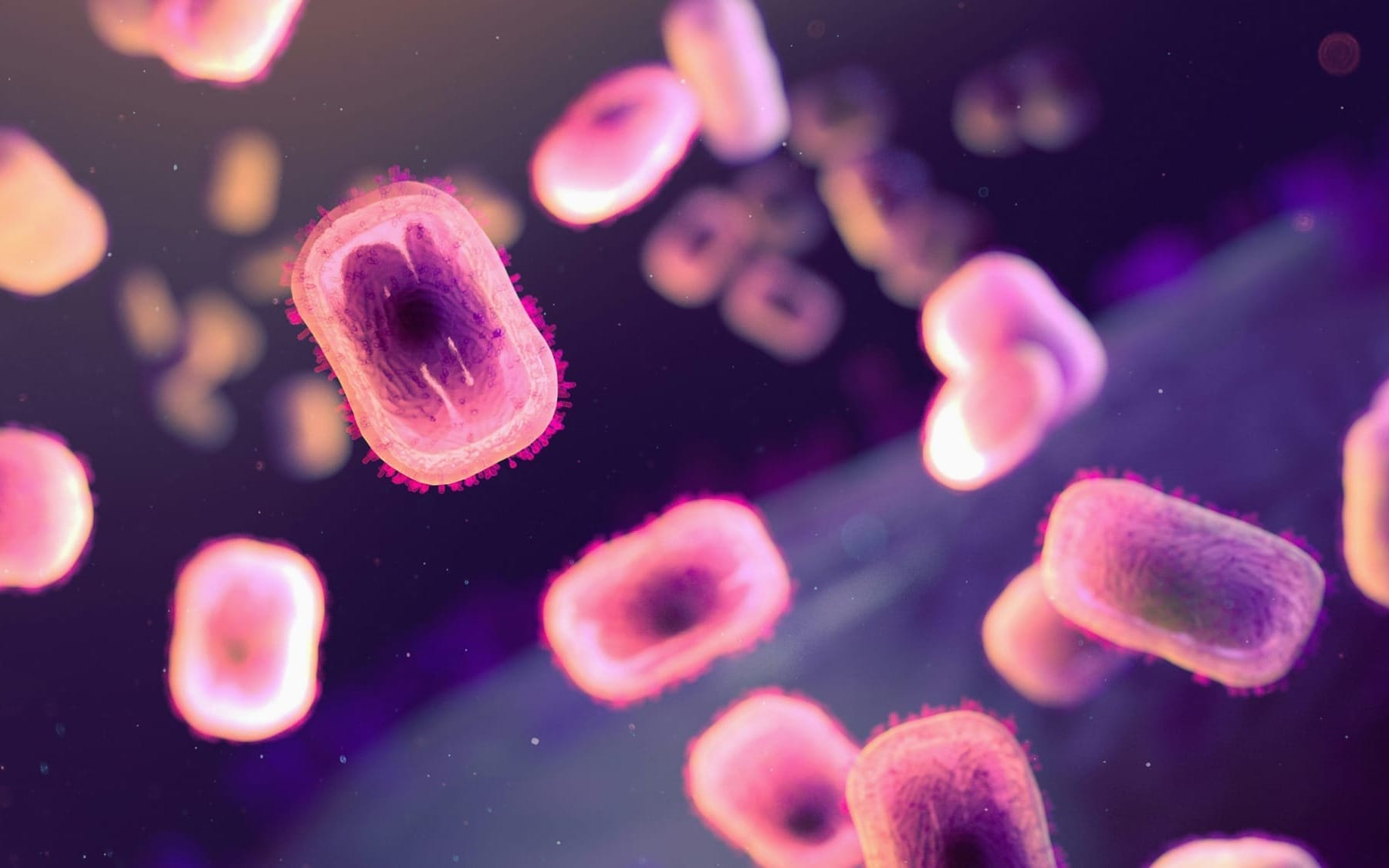
To understand why a standard course of antibiotics may not be enough for some people, we have to look closely at the survival mechanisms of Borrelia burgdorferi. This pathogen is not a simple bacterium; it is a highly evolved, sophisticated "stealth pathogen" with well-described strategies to evade, confuse, and survive the host's immune defenses. When faced with a hostile environment—such as a wave of standard antibiotics—Borrelia does not simply die off in every situation. Instead, it can adapt (Rudenko et al., 2019; Singh & Girschick, 2004).
Survival Mechanisms of a Stealth Pathogen:
Morphological Shifting (L-Forms and Cystic Forms): In its active state, Borrelia is a spirochete—a corkscrew-shaped bacterium that can drill deep into tissues. In laboratory studies, when threatened by antibiotics or immune attacks, it can alter its physical structure. It may shed its cell wall to become an L-form or roll into a dormant, protective cystic form. In these altered states, the bacteria appear to be much less susceptible to antibiotics that rely on targeting active cell-wall synthesis. How much these forms contribute to illness in patients is still being studied (Feng et al., 2015; Rudenko et al., 2019).
Biofilm Formation: In laboratory models, Borrelia can gather together and form a protective, slimy matrix known as a biofilm. This biofilm may act as a physical shield, making it harder for the body's immune cells and antimicrobial treatments to reach the bacteria. Inside, they may rest in a low-metabolic state. Antimicrobial tolerance and persistence of this kind have been described in experimental models and in some clinical reports, although the mechanisms are still poorly understood (Cabello et al., 2022).
Tissue Sequestration: Borrelia has a strong preference for collagen-rich tissues. It can leave the bloodstream—where antibiotics and immune cells circulate most heavily—and spread into joints, tendons, the nervous system, and the lining of blood vessels (Anderson & Brissette, 2021). In a single, well-documented patient report, Borrelia antigens and DNA were found in tissues long after infection, supporting the idea that the bacteria can linger in tissue (Sapi et al., 2019).
Why Standard Testing Can Fall Short
Standard Lyme testing uses a two-step process: an initial antibody test (ELISA/EIA) followed by a confirmatory Western blot or a second EIA. These tests do not look for the Borrelia bacteria itself. Instead, they look for the antibodies your immune system creates to fight it (Centers for Disease Control and Prevention, 2024).
This has important consequences. Antibodies take several weeks to develop, so tests can come back negative early in infection. And there is currently no widely validated test that shows whether live bacteria persist after treatment. A "normal" result does not mean your symptoms aren't real; it means the test did not find what it was designed to find. Functional medicine practitioners often add specialty-lab testing, such as a broader spectrum of reactive bands, PCR testing for bacterial DNA, or cellular activation tests. These tests are not validated to the same standard as CDC-recommended testing, so results are best interpreted by an experienced clinician alongside your symptoms and history.
Pillar 2: The Hidden World of Co-Infections (Bartonella, Babesia, and Anaplasma)
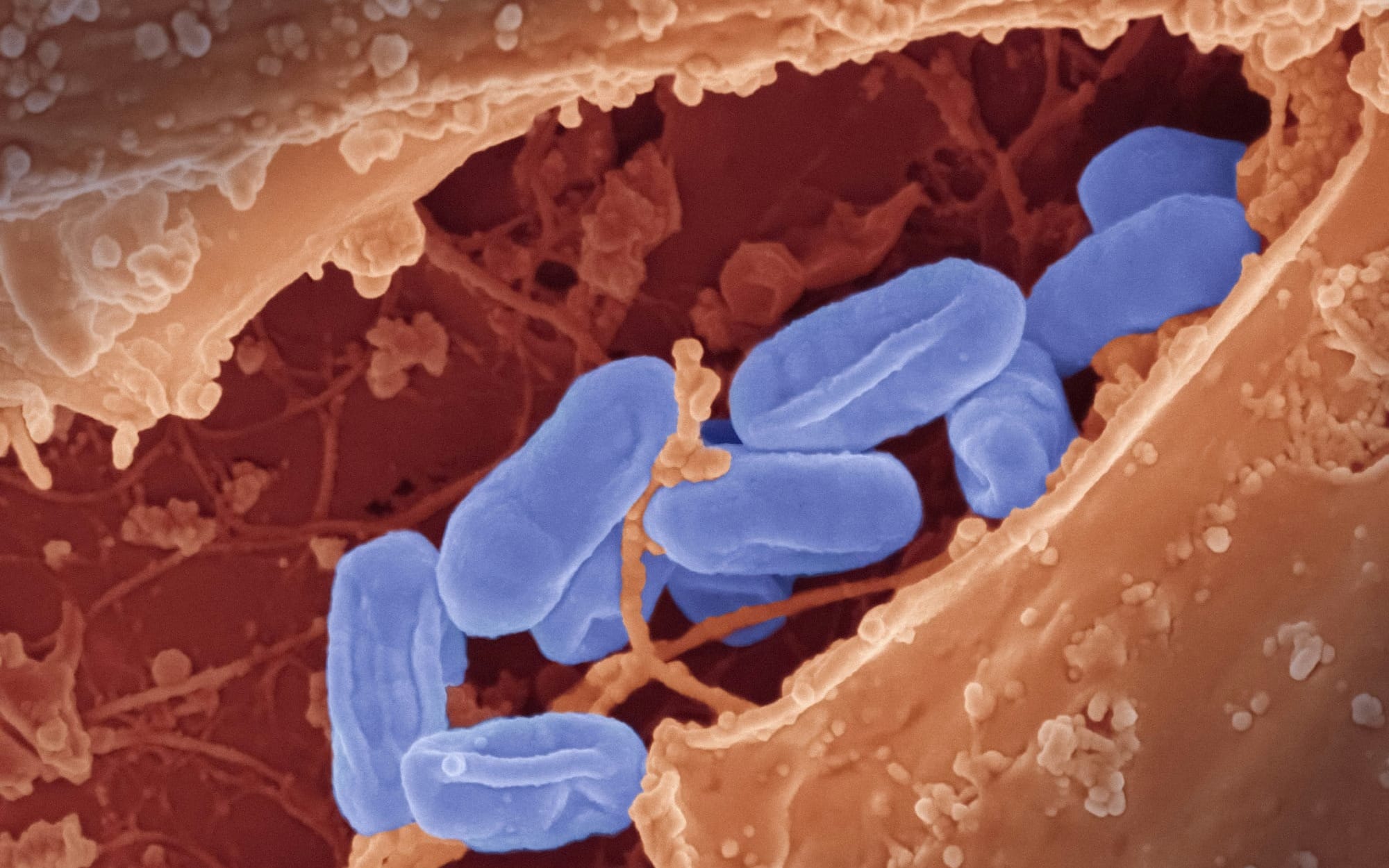
When a tick bites a human, it can transmit more than just Borrelia burgdorferi. Ticks are complex biological vectors that can carry a mix of bacteria and parasites. These accompanying pathogens are known as co-infections (Rocha et al., 2022). In the Functional Medicine model, identifying and treating co-infections is not an afterthought—it is often seen as a missing key to breaking through a clinical plateau. When a patient isn't responding to standard Lyme therapies, a co-infection is one possibility worth investigating, although how often it is the explanation is still debated.
The Tick Bite Vector
Ticks can carry several pathogens at once, and this may create a compounding burden on the body:
Borrelia: The bacteria responsible for standard Lyme disease.
Bartonella: Bacteria best known as the cause of "cat scratch disease," which usually causes fever and swollen lymph nodes (Cheslock & Embers, 2019). Bartonella DNA has been detected in ticks, but whether ticks transmit it to people has not been established, and infection is usually linked to cats and fleas. It is discussed here because it is often considered alongside Lyme in integrative practice.
Babesia: A microscopic parasite that infects red blood cells.
Anaplasma: A bacterium that infects white blood cells and is a recognized tick-borne co-infection (Bao et al., 2025).
The Combined Burden
Co-infection is not rare: a recent systematic review and meta-analysis pooled how often Borrelia, Anaplasma and Babesia are found together in people (Bao et al., 2025). Many clinicians believe that when these pathogens occur together, symptoms can be more severe and harder to treat, although the mechanisms are still being studied.
Two co-infections that are discussed most often in Functional Medicine are Bartonella and Babesia. Each is described as having its own distinct pattern of symptoms and as requiring a different treatment strategy than Lyme disease alone:
Bartonella (The Neurological Mimic?): Often referred to as the cause of "cat scratch disease," Bartonella is a bacterium that can infect the lining of blood vessels (endothelial cells) and has been linked, mainly in case reports, to neurological and psychological symptoms (Cheslock & Embers, 2019). While Lyme is associated with joint pain and brain fog, some patients with suspected Bartonella report severe, unprovoked anxiety, panic attacks, depression, rapid mood swings, and a sensation of "brain on fire" neuroinflammation. PCR studies have detected both Bartonella and Borrelia DNA in samples from patients (Clark & Hartman, 2024). Clinicians who treat these patients also describe burning pain on the soles of the feet (especially first thing in the morning), severe ice-pick headaches, and stretch-mark-like skin lines (striae) that appear without weight changes. These are clinical observations rather than established diagnostic signs, and the role of Bartonella in neuropsychiatric illness remains debated.
Babesia (The Red Blood Cell Parasite): Unlike Lyme and Bartonella, which are bacteria, Babesia is a microscopic parasite that infects red blood cells, somewhat like malaria. Typical symptoms include fever, chills, sweats, and fatigue, and it can cause anemia (National Center for Emerging and Zoonotic Infectious Diseases, 2024). Clinicians who treat tick-borne illness also commonly describe air hunger—a frightening sensation of being unable to take a deep enough breath despite normal oxygen levels—and drenching night sweats with profound fatigue that sleep cannot fix. Air hunger is based on clinical experience rather than formal diagnostic criteria.
The Compounding Effect on the Immune System
It has been proposed that when these pathogens are present at the same time, they may influence one another. Borrelia has well-described strategies for dampening and evading parts of the immune response (Anderson & Brissette, 2021; Singh & Bankhead, 2026), which some clinicians believe may make it easier for other organisms to gain a foothold. In turn, the resulting inflammatory signals (cytokines) may add to symptoms. This is a working hypothesis rather than a settled finding.
Many integrative clinicians compare trying to clear chronic Lyme without addressing an active Babesia or Bartonella infection to trying to put out a house fire while ignoring the gas leak in the next room. Functional Medicine practitioners use specialized symptom questionnaires and targeted testing to tease these infections apart, and build layered treatment protocols that address them in a stepwise order, reflecting clinical experience (Cameron, 2026).
Pillar 3: The Fuel to the Fire – The Mold and Mycotoxin Connection

While persistent bacteria and co-infections represent the living pathogens in this chronic illness storm, environmental toxins may act as the fuel that keeps the fire raging (Kraft et al., 2021). Among these environmental stressors, exposure to mold and its toxic chemical byproducts—mycotoxins—can be a significant obstacle for some people recovering from Lyme disease.
The Genetic Vulnerability: A Detoxing Blind Spot
To understand why mold may affect some people more than others, researchers have looked at genetics. According to the model used in Chronic Inflammatory Response Syndrome (CIRS) research, the immune system of a healthy individual identifies foreign biotoxins (like mold toxins), tags them, and passes them to the liver and kidneys to be excreted safely from the body (Dooley et al., 2024).
Proponents of this model estimate that CIRS may affect up to roughly 25% of the population (Dooley et al., 2024), and they link susceptibility to variations in the HLA-DR (Human Leukocyte Antigen) genes. The proposal is that, in these individuals, the immune system has a biological blind spot: it may not recognize or tag biotoxins well, so toxic compounds may be reabsorbed in the gut and recirculate in the body rather than being cleared. If you carry this susceptibility, mold exposure may be harder for your body to clear on its own. It is important to know that CIRS and this proposed mechanism are not yet widely accepted in mainstream medicine, and the supporting evidence is limited—for example, one paper on HLA variations and mycotoxin toxicity describes four case reports (Saghir & Ansari, 2024).
The Immune System Hijack: Living in a Water-Damaged Building
This potential vulnerability matters most when a person spends time in a water-damaged building. Whether it is an old home, a poorly ventilated workplace, or a school with a hidden roof leak, molds such as Stachybotrys (black mold), Aspergillus, and Penicillium can release mycotoxins and other irritant compounds into the air.
When a susceptible person breathes in these microscopic compounds daily, the proposed result is an ongoing toxic burden. If the body does not clear them efficiently, it is hypothesized that mycotoxins accumulate in fat-rich tissues, including the brain and nervous system, adding strain to the body's defenses and cellular energy (Kraft et al., 2021).
Why It Matters: CIRS and the Lyme Standoff
In the CIRS model, this ongoing exposure drives a systemic, full-body inflammatory response that is thought to confuse the immune system (Dooley et al., 2024). Proponents propose that it alters regulatory hormones and may affect the blood-brain barrier, keeping the body stuck in a persistent state of alarm.
This is why mold matters to many clinicians who treat chronic Lyme: mycotoxins are associated with a range of health effects (Omotayo et al., 2019), and ongoing mold exposure may add to the burden on the immune system, which may make recovery from infection harder.
The Chronic Illness Standoff
• Active Mold Exposure: A continuous influx of environmental mycotoxins may enter the body from a water-damaged building.
• A Burdened Immune System: In people who are susceptible, the body may struggle to recognize, tag, or clear these toxins.
• The Result: Herbal protocols and antibiotics may seem to fail because the body's defenses are overwhelmed and exhausted.
You can take the strongest antimicrobials or the most advanced herbal protocols available, but if you are still living or working in a moldy environment, your recovery may hit a wall. In the Functional Medicine framework, testing the home environment and addressing mold exposure is treated as a priority rather than a secondary step. If you suspect mold in your home or workplace, consider a professional building assessment.
Advanced Investigations: Testing Beyond the Standard ELISAs
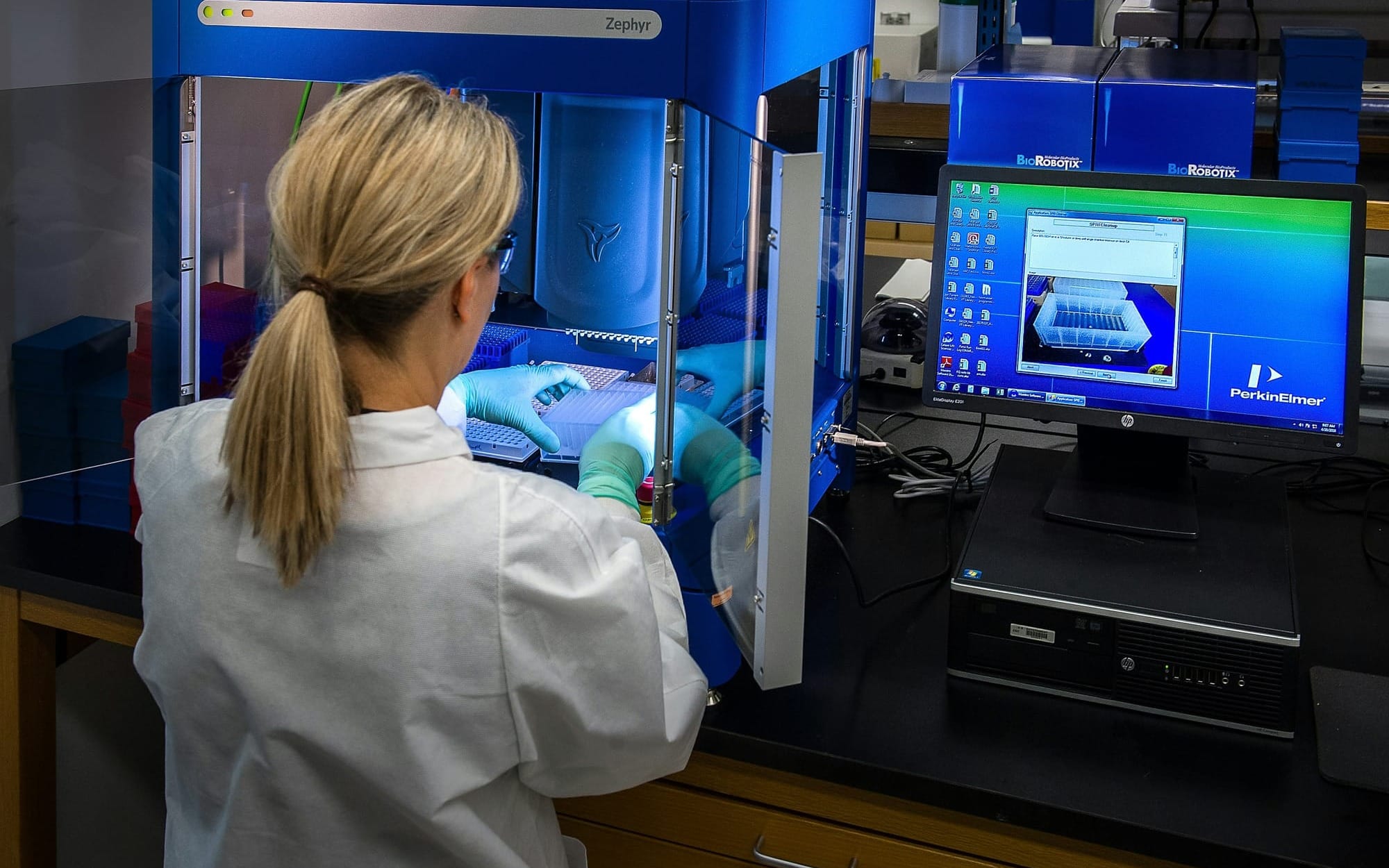
One of the most frustrating aspects of dealing with chronic symptoms is getting a stack of "completely normal" lab results back from your conventional doctor. For years, patients have been left in limbo, told they are healthy simply because their standard blood tests show no cause for concern. To truly find the root cause of complex chronic illness, we have to look closely at why conventional testing can miss the mark, and explore the advanced diagnostic tools used in Functional Medicine.
Why Standard Tests Can Miss the Mark
Conventional Lyme diagnostics rely on a two-tier testing system: an initial antibody screen followed by a confirmatory Western blot or second EIA. The fundamental limitation is that these tests do not look for the Borrelia bacteria itself. Instead, they check for your body's antibody response to the bacteria (Centers for Disease Control and Prevention, 2024).
This creates a clinical blind spot. Antibodies take weeks to appear, so early infection can be missed, and the tests cannot tell us whether bacteria are still active after treatment. For someone with long-standing symptoms, a negative result does not tell the whole story, but it also does not prove infection. It is one piece of information to weigh alongside symptoms, history, and exam.
Functional Testing Alternatives
To go beyond antibody testing, some Functional Medicine practitioners use specialized laboratories. These tests are not validated to the same standard as CDC-recommended testing, so results should be interpreted cautiously by an experienced clinician. They look more deeply at the patient's internal terrain:
Advanced Lyme and Co-Infection Panels: Specialized reference laboratories—such as IGeneX—offer immunoblot (antibody-band) tests, PCR-based tests that look for bacterial DNA, and panels for co-infections like Bartonella and Babesia. One study of a one-step immunoblot test from this laboratory reported higher sensitivity than a standard two-tier test in early disease (Shah et al., 2026); note that most of the authors are affiliated with IGeneX. A negative PCR result does not rule out infection.
Mycotoxin Urine Panels: Mycotoxins can be measured in human urine using laboratory methods (Escrivá et al., 2017; Warth et al., 2012), and some practitioners use these panels to look at exposure to mycotoxins such as Ochratoxin A, Aflatoxin, and Trichothecenes. The clinical meaning of the results is still uncertain: urine levels reflect recent exposure and elimination, and it is not yet clear how they relate to symptoms. Some practitioners also discuss when this testing is and is not worthwhile (Ruscio, 2026).
Functional Inflammatory and Immune Markers: To map out the immune picture in CIRS and persistent infections, some practitioners look at specialized markers rather than standard blood counts.
These markers are used by some practitioners but are not validated for diagnosing Lyme disease or CIRS:
TGF-Beta1 (Transforming Growth Factor Beta 1): A signaling molecule involved in immune regulation and tissue repair; levels can reflect immune dysregulation and inflammation (Lodyga & Hinz, 2020; Sanjabi et al., 2017), and it is used as a marker within the CIRS model (Dooley, 2025).
C4a: A fragment of the complement cascade (part of the innate immune system) that is reported to rise with biotoxin exposure in CIRS (Dooley, 2025). Its use as a marker of mold illness is not widely accepted.
CD57: A marker of a subset of Natural Killer (NK) immune cells (Nielsen et al., 2013; Vojdani et al., 2024). One small study found lower CD57 counts in patients with chronic Lyme disease (Stricker & Winger, 2001), but CD57 is not an established diagnostic test for Lyme disease.
By combining these metrics, some practitioners aim to build a more individualized picture and a targeted roadmap. Because these tools are not validated for diagnosis, they work best alongside a careful history and conventional testing.
The Functional Medicine Treatment Blueprint
When dealing with a complex web of Lyme disease, co-infections, and mold, a shotgun approach is unlikely to work. Many functional practitioners use a strategic, phased order of operations. The thinking is that if you attempt to kill pathogens without first preparing the body, you may trigger a severe flare-up of symptoms—known as a Herxheimer reaction—that can derail your healing.
The Golden Rule of Recovery: You cannot clean a house if the front door is boarded shut, and you cannot kill pathogens if your biological "trash cans" are already overflowing. A commonly used sequence in functional practice is: drain first, support second, and kill last. This sequence reflects clinical experience rather than controlled clinical trials.
Phase 1: Drainage and Detoxification First
Before launching an attack on stealth pathogens, a Functional Medicine protocol focuses on opening the body's drainage pathways. Think of your organs of elimination—your liver, kidneys, lymphatic system, and colon—as the body's internal trash cans. The idea is that chronic Lyme and mold exposure may fill these trash cans with metabolic waste and cellular debris.
The concern is that if you introduce potent antimicrobials while these pathways are blocked, the dying microbes will release a flood of new compounds into a system that has nowhere to put them, which may worsen inflammation, brain fog, and pain. Phase 1 focuses on clearing the pipes:
Ensuring Daily Elimination: Optimizing bowel movements and hydration so waste can physically leave the body (Sato et al., 2024; Shimizu, 2012).
Supporting the Liver and Lymph: Using herbs traditionally used to support liver function (Nagarajan et al., 2025), along with hydration and gentle movement to keep lymphatic fluid flowing.
Biotoxin Binders: In some protocols, clinicians use binding agents—such as prescription cholestyramine or natural options like activated charcoal and bentonite clay—to bind compounds in the gut so they are not reabsorbed. Research on binders has mainly been done in animal feed (Kihal et al., 2022), and their use in people with mold or Lyme is based largely on clinical experience. Cholestyramine is a prescription medicine with side effects and interactions, and all binders can affect the absorption of medications and nutrients, so they should be used under clinical supervision.
Phase 2: Immune and Mitochondrial Support
Once the drainage pathways are open and flowing, the focus shifts to rebuilding the host's internal terrain. Chronic illness can act as a massive drain on your cellular energy, and the mitochondria—the microscopic powerhouses inside your cells—may be affected. When mitochondria are under strain, the immune system may lack the cellular fuel it needs to regulate itself.
Phase 2 is dedicated to building your biological defenses back up, long before any aggressive "killing" protocols begin:
Targeted Mitochondrial Nutrients: Nutrients such as CoQ10, Alpha Lipoic Acid (ALA), and Vitamin C are used to reduce oxidative stress and support cellular energy production (Nicolson, 2014). Evidence specifically in Lyme disease is limited, and doses should be individualized by a clinician.
Anti-Inflammatory Dietary Framework: Shifting to a clean, whole-food diet may help stop fueling inflammation in the gut and nervous system (Bilal et al., 2022).
Nervous System Regulation: Chronic sickness can keep the body in a sympathetic ("fight or flight") state, and recovery is hard in survival mode. Practices such as breathwork, brain retraining, and vagus nerve exercises are used to help shift the body toward a parasympathetic ("rest and digest") state, which many practitioners consider important for healing. Somatic self-care approaches have shown promise for supporting well-being (Nicholson et al., 2025), although evidence for specific benefits in Lyme disease is limited.
Phase 3: Targeted Antimicrobials
Only when the trash cans are regularly emptied (Phase 1) and the body's internal battery is recharged (Phase 2) do many practitioners consider it appropriate to enter Phase 3: directly addressing the pathogens. Because Borrelia and its co-infections are described as deeply embedded stealth organisms, this phase uses a multi-faceted approach. Laboratory work suggests that a range of natural and botanical compounds may act on both growing and non-growing forms of Borrelia (Feng et al., 2020).
Practitioners select customized tools tailored to the specific burden revealed in advanced testing:
Customized Herbal Protocols: Practitioner-developed herbal protocols—such as the Buhner Protocol or the Cowden Support Program—are widely used in functional practice. They rely on herbs such as Cat's Claw, Japanese Knotweed, and Otoba Bark, some of which have shown activity against Borrelia in laboratory studies (Feng et al., 2020). Practitioner sources describe their use in persistent Lyme and co-infections (Sturm, 2025), but controlled clinical trials in patients are lacking. Herbs can have side effects and interact with medications, so work with a qualified practitioner.
Pulsed, Targeted Pharmaceuticals: Some practitioners use prescription antimicrobials in strategically timed, short-duration cycles, in contrast to prolonged continuous therapy, with the aim of minimizing microbiome disruption and allowing intervals for the host to clear inflammatory byproducts (Sturm, 2025). It is important to know that current guidelines advise against prolonged or repeated antibiotic courses for persistent symptoms, because clinical trials have not shown lasting benefit and there are real risks (Lantos et al., 2021). Any antimicrobial decision should be made with a prescribing clinician.
By systematically working through these three phases, a Functional Medicine framework aims to transform a chaotic, reactive battle against chronic disease into a calm, organized journey back toward baseline health.
The Takeaway: Healing Is a Journey of Layers

If there is one fundamental truth that the Functional Medicine approach teaches us, it is that overcoming chronic illness is rarely about finding a single magic pill. There is no individual prescription, no solitary supplement, and no overnight cure that can instantly reverse years of systemic dysregulation. Real, lasting healing is a dynamic journey of layers.
To reclaim your health, you can approach the body systematically—like peeling back the layers of an onion. It may be hard to address a stealth pathogen like Borrelia while your system is bogged down by environmental mycotoxins. Similarly, it may be difficult to calm a hyper-reactive immune system until hidden co-infections like Bartonella or Babesia have been identified and addressed. By clearing out environmental mold, calming systemic inflammation, opening drainage pathways, and then addressing infections in a targeted way, you give your body the environment it needs to do what it was designed to do: heal from the inside out.
If you have felt dismissed, invalidated, or stuck on your health journey, remember that your symptoms are real, your suffering is valid, and there is a logical path forward. By shifting your focus from simply "killing a bug" to deeply rebuilding your unique ecosystem, you can finally move beyond the tick bite and step into a vibrant, healthy future.
This article is for educational purposes and is not a substitute for personalized medical advice. Please work with a qualified clinician before starting or stopping any treatment, supplement, or protocol.
Join the Conversation
Your healing journey doesn't have to be walked alone, and your story could be the exact inspiration someone else needs to hear today.
• Have you investigated mold or co-infections in your own healing journey?
• What section of this functional health blueprint resonated most with where you are right now?
Share your thoughts, experiences, and questions in the comments below! If you want more evidence-based strategies, patient success stories, and deep-dives into advanced functional health protocols, enter your email below to subscribe to our weekly newsletter.
🌱 Ready to Rebalance Your Ecosystem from the Inside Out?
True healing from complex illnesses like chronic Lyme, co-infections, and mold requires looking beyond the microbes and repairing your foundational defenses. Because a massive portion of your immune system resides in your digestive tract, systemic recovery begins with your microbiome.
👉 Join our comprehensive Healing with Gut Reset Course today to stop chasing symptoms and start your guided roadmap to lasting cellular repair.
References
Anderson, C., & Brissette, C. A. (2021). The brilliance of Borrelia: Mechanisms of host immune evasion by Lyme disease-causing spirochetes. Pathogens, 10(3), Article 281. https://doi.org/10.3390/pathogens10030281
Bao, F., Yang, J., Ji, Z., Zha, C., & Liu, A. (2025). Global prevalence of Borrelia burgdorferi, Anaplasma phagocytophilum, and Babesia microti coinfections in human populations from 1946 to 2024: A systematic review and meta-analysis. New Microbes and New Infections, 67, Article 101621. https://doi.org/10.1016/j.nmni.2025.101621
Bilal, M., Ashraf, S., & Zhao, X. (2022). Dietary component-induced inflammation and its amelioration by prebiotics, probiotics, and synbiotics. Frontiers in Nutrition, 9, Article 931458. https://doi.org/10.3389/fnut.2022.931458
Cabello, F. C., Embers, M. E., Newman, S. A., & Godfrey, H. P. (2022). Borreliella burgdorferi antimicrobial-tolerant persistence in Lyme disease and posttreatment Lyme disease syndromes. mBio, 13(3), Article e03440-21. https://doi.org/10.1128/mbio.03440-21
Cairns, V. (2020). Supporting patients with long-term problems after Lyme disease. BJGP Open, 4(3), Article bjgpopen20X101102. https://doi.org/10.3399/bjgpopen20X101102
Cameron, D. (2026). Lyme disease co-infections: What you need to know. Daniel Cameron MD. https://danielcameronmd.com/coinfections/
Centers for Disease Control and Prevention. (2024, May 15). Clinical testing and diagnosis for Lyme disease. U.S. Department of Health and Human Services. https://www.cdc.gov/lyme/hcp/diagnosis-testing/index.html
Cheslock, M. A., & Embers, M. E. (2019). Human bartonellosis: An underappreciated public health problem? Tropical Medicine and Infectious Disease, 4(2), Article 69. https://doi.org/10.3390/tropicalmed4020069
Clark, K. L., & Hartman, S. (2024). PCR detection of Bartonella spp. and Borreliella spp. DNA in dry blood spot samples from human patients. Pathogens, 13(9), Article 727. https://doi.org/10.3390/pathogens13090727
Donta, S. T., States, L. J., Adams, W. A., Bankhead, T., Baumgarth, N., Embers, M. E., Lochhead, R. B., & Stevenson, B. (2021). Report of the Pathogenesis and Pathophysiology of Lyme Disease Subcommittee of the HHS Tick Borne Disease Working Group. Frontiers in Medicine, 8, Article 643235. https://doi.org/10.3389/fmed.2021.643235
Dooley, M. (2025). Biomarkers over time: From visual contrast sensitivity to transcriptomics in differentiating chronic inflammatory response syndrome and myalgic encephalomyelitis/chronic fatigue syndrome. International Journal of Molecular Sciences, 26(15), Article 7284. https://doi.org/10.3390/ijms26157284
Dooley, M., Vukelic, A., & Jim, L. (2024). Chronic inflammatory response syndrome: A review of the evidence of clinical efficacy of treatment. Annals of Medicine and Surgery, 86(12), 7248–7254. https://doi.org/10.1097/MS9.0000000000002718
Escrivá, L., Manyes, L., Font, G., & Berrada, H. (2017). Mycotoxin analysis of human urine by LC-MS/MS: A comparative extraction study. Toxins, 9(10), Article 330. https://doi.org/10.3390/toxins9100330
Feng, J., Leone, J., Schweig, S., & Zhang, Y. (2020). Evaluation of natural and botanical medicines for activity against growing and non-growing forms of B. burgdorferi. Frontiers in Medicine, 7, Article 6. https://doi.org/10.3389/fmed.2020.00006
Feng, J., Shi, W., Zhang, S., & Zhang, Y. (2015). Persister mechanisms in Borrelia burgdorferi: Implications for improved intervention. Emerging Microbes & Infections, 4(8), Article e51. https://doi.org/10.1038/emi.2015.51
Ghasemian, M., Owlia, S., & Owlia, M. B. (2016). Review of anti-inflammatory herbal medicines. Advances in Pharmacological Sciences, 2016, Article 9130979. https://doi.org/10.1155/2016/9130979
Kihal, A., Rodríguez-Prado, M., & Calsamiglia, S. (2022). The efficacy of mycotoxin binders to control mycotoxins in feeds and the potential risk of interactions with nutrient: A review. Journal of Animal Science, 100(11), Article skac328. https://doi.org/10.1093/jas/skac328
Kraft, S., Buchenauer, L., & Polte, T. (2021). Mold, mycotoxins and a dysregulated immune system: A combination of concern? International Journal of Molecular Sciences, 22(22), Article 12269. https://doi.org/10.3390/ijms222212269
Lantos, P. M., Rumbaugh, J., Bockenstedt, L. K., Falck-Ytter, Y. T., Aguero-Rosenfeld, M. E., Auwaerter, P. G., Baldwin, K., Bannuru, R. R., Belani, K. K., Bowie, W. R., Branda, J. A., Clifford, D. B., DiMario, F. J., Jr., Halperin, J. J., Krause, P. J., Lavergne, V., Liang, M. H., Meissner, H. C., Nigrovic, L. E., . . . Zemel, L. S. (2021). The clinical practice guidelines by the Infectious Diseases Society of America (IDSA), American Academy of Neurology (AAN), and American College of Rheumatology (ACR): 2020 guidelines for the prevention, diagnosis and treatment of Lyme disease. Clinical Infectious Diseases, 72(1), e1–e48. https://doi.org/10.1093/cid/ciaa1215
Lodyga, M., & Hinz, B. (2020). TGF-β1 – A truly transforming growth factor in fibrosis and immunity. Seminars in Cell & Developmental Biology, 101, 123–139. https://doi.org/10.1016/j.semcdb.2019.12.010
Mantle, D., Turton, N., & Hargreaves, I. P. (2022). Lyme disease: A role for coenzyme Q10 supplementation? Antioxidants, 11(4), Article 667. https://doi.org/10.3390/antiox11040667
Nagarajan, S., Chandrasekaran, N., Shanmugam, P., & Abdulla, K. (2025). Healing herbs for liver wellness: An in-depth exploration of hepatoprotective. https://doi.org/10.61096/978-81-981372-8-9_2
Napier, E. G., Cinco, I. R., Wagner, S. B., Stuart, E. V., Qiao, Q., Taylor, J., Stevenson, B., & Messaoudi, I. (2025). Borreliosis and doxycycline treatment disrupt gut microbiota and immune responses in nonhuman primates. mBio, 16, Article e01437-25. https://doi.org/10.1128/mbio.01437-25
National Center for Emerging and Zoonotic Infectious Diseases. (2024, May 15). About babesiosis. Centers for Disease Control and Prevention. https://www.cdc.gov/babesiosis/about/index.html
Nicholson, W. C., Sapp, M., Karas, E. M., Duva, I. M., & Grabbe, L. (2025). The body can balance the score: Using a somatic self-care intervention to support well-being and promote healing. Healthcare, 13(11), Article 1258. https://doi.org/10.3390/healthcare13111258
Nicolson, G. L. (2014). Mitochondrial dysfunction and chronic disease: Treatment with natural supplements. Integrative Medicine, 13(4), 35–43. https://pubmed.ncbi.nlm.nih.gov/26770107/
Nielsen, C. M., White, M. J., Goodier, M. R., & Riley, E. M. (2013). Functional significance of CD57 expression on human NK cells and relevance to disease. Frontiers in Immunology, 4, Article 422. https://doi.org/10.3389/fimmu.2013.00422
Omotayo, O. P., Omotayo, A. O., Mwanza, M., & Babalola, O. O. (2019). Prevalence of mycotoxins and their consequences on human health. Toxicological Research, 35(1), 1–7. https://doi.org/10.5487/TR.2019.35.1.001
Peacock, B. N., Gherezghiher, T. B., Hilario, J. D., & Kellermann, G. H. (2015). New insights into Lyme disease. Redox Biology, 5, 66–70. https://doi.org/10.1016/j.redox.2015.03.002
Rocha, S. C., Velásquez, C. V., Aquib, A., Al-Nazal, A., & Parveen, N. (2022). Transmission cycle of tick-borne infections and co-infections, animal models and diseases. Pathogens, 11(11), Article 1309. https://doi.org/10.3390/pathogens11111309
Rudenko, N., Golovchenko, M., Kybicova, K., et al. (2019). Metamorphoses of Lyme disease spirochetes: Phenomenon of Borrelia persisters. Parasites & Vectors, 12, Article 237. https://doi.org/10.1186/s13071-019-3495-7
Ruscio, M. (2026, March 3). Mycotoxin testing: Do you actually need it? Dr. Ruscio. https://drruscio.com/mycotoxin-testing/
Sachan, S., Tran, G. V. V., Olsen, K. J., Kulaga, H., Day, A., Savage, H. P., Rebman, A. W., Aucott, J. N., Jimenez, I. A., Brayton, C. F., & Baumgarth, N. (2026). Borrelia burgdorferi disrupts gut barrier functions and microbiota-antibody interactions. Journal of Experimental Medicine, 223(9), Article e20252380. https://doi.org/10.1084/jem.20252380
Saghir, S. A., & Ansari, R. A. (2024). HLA gene variations and mycotoxin toxicity: Four case reports. Mycotoxin Research, 40(1), 159–173. https://doi.org/10.1007/s12550-023-00517-y
Sanjabi, S., Oh, S. A., & Li, M. O. (2017). Regulation of the immune response by TGF-β: From conception to autoimmunity and infection. Cold Spring Harbor Perspectives in Biology, 9(6), Article a022236. https://doi.org/10.1101/cshperspect.a022236
Sapi, E., Kasliwala, R. S., Ismail, H., Torres, J. P., Oldakowski, M., Markland, S., Gaur, G., Melillo, A., Eisendle, K., Liegner, K. B., Libien, J., & Goldman, J. E. (2019). The long-term persistence of Borrelia burgdorferi antigens and DNA in the tissues of a patient with Lyme disease. Antibiotics, 8(4), Article 183. https://doi.org/10.3390/antibiotics8040183
Sato, K., Hara-Chikuma, M., Yasui, M., Inoue, J., & Kim, Y. G. (2024). Sufficient water intake maintains the gut microbiota and immune homeostasis and promotes pathogen elimination. iScience, 27(6), Article 109903. https://doi.org/10.1016/j.isci.2024.109903
Shah, J. S., Liu, S., Calalo-Ramos, C., Myint, M., Lee, O., Cruz, I., Horn, E. J., & Ramasamy, R. (2026). Single-step immunoblot tests with recombinant protein antigens for detecting IgG and IgM antibodies in Lyme disease. Microbiology Spectrum, 14(8), Article e00199-26. https://doi.org/10.1128/spectrum.00199-26
Shimizu, M. (2012). Modulation of intestinal functions by dietary substances: An effective approach to health promotion. Journal of Traditional and Complementary Medicine, 2(2), 81–83. https://doi.org/10.1016/S2225-4110(16)30080-3
Singh, P., & Bankhead, T. (2026). From forest floor to doctor's office: The immunological journey of Borrelia burgdorferi through vertebrate hosts. Frontiers in Immunology, 17, Article 1811554. https://doi.org/10.3389/fimmu.2026.1811554
Singh, S. K., & Girschick, H. J. (2004). Molecular survival strategies of the Lyme disease spirochete Borrelia burgdorferi. The Lancet Infectious Diseases, 4(9), 575–583. https://doi.org/10.1016/S1473-3099(04)01132-6
Stricker, R. B., & Winger, E. E. (2001). Decreased CD57 lymphocyte subset in patients with chronic Lyme disease. Immunology Letters, 76(1), 43–48. https://doi.org/10.1016/s0165-2478(00)00316-3
Sturm, M. (2025, December 15). Buhner protocol for chronic Lyme disease: Herbal treatment for persistent Lyme & co-infections. Denver Sports and Holistic Medicine. https://denversportsandholisticmedicine.com/blog/buhner-protocol-chronic-lyme-disease
Vojdani, A., Koksoy, S., Vojdani, E., Engelman, M., Benzvi, C., & Lerner, A. (2024). Natural killer cells and cytotoxic T cells: Complementary partners against microorganisms and cancer. Microorganisms, 12(1), Article 230. https://doi.org/10.3390/microorganisms12010230
Warth, B., Sulyok, M., Fruhmann, P., Mikula, H., Berthiller, F., Schuhmacher, R., Hametner, C., Abia, W. A., Adam, G., Fröhlich, J., & Krska, R. (2012). Development and validation of a rapid multi-biomarker liquid chromatography/tandem mass spectrometry method to assess human exposure to mycotoxins. Rapid Communications in Mass Spectrometry, 26(13), 1533–1540. https://doi.org/10.1002/rcm.6255
Wester, K. E., Nwokeabia, B. C., Hassan, R., et al. (2024). What makes it tick: Exploring the mechanisms of post-treatment Lyme disease syndrome. Cureus, 16(7), Article e64987. https://doi.org/10.7759/cureus.64987
AI disclosure
This article is based entirely on the author's own frameworks, ideas, and clinical expertise. Claude (an AI assistant made by Anthropic) was used for editorial support, including research support, citation verification, and structural polishing.