
The Vagus Nerve Reset
Feeling wired or overwhelmed? Discover how the vagus nerve acts as a hidden highway between your gut and brain. Learn how simple, functional nutrition choices can lower inflammation, boost vagal tone, and send deep signals of safety and calm back to your nervous system.
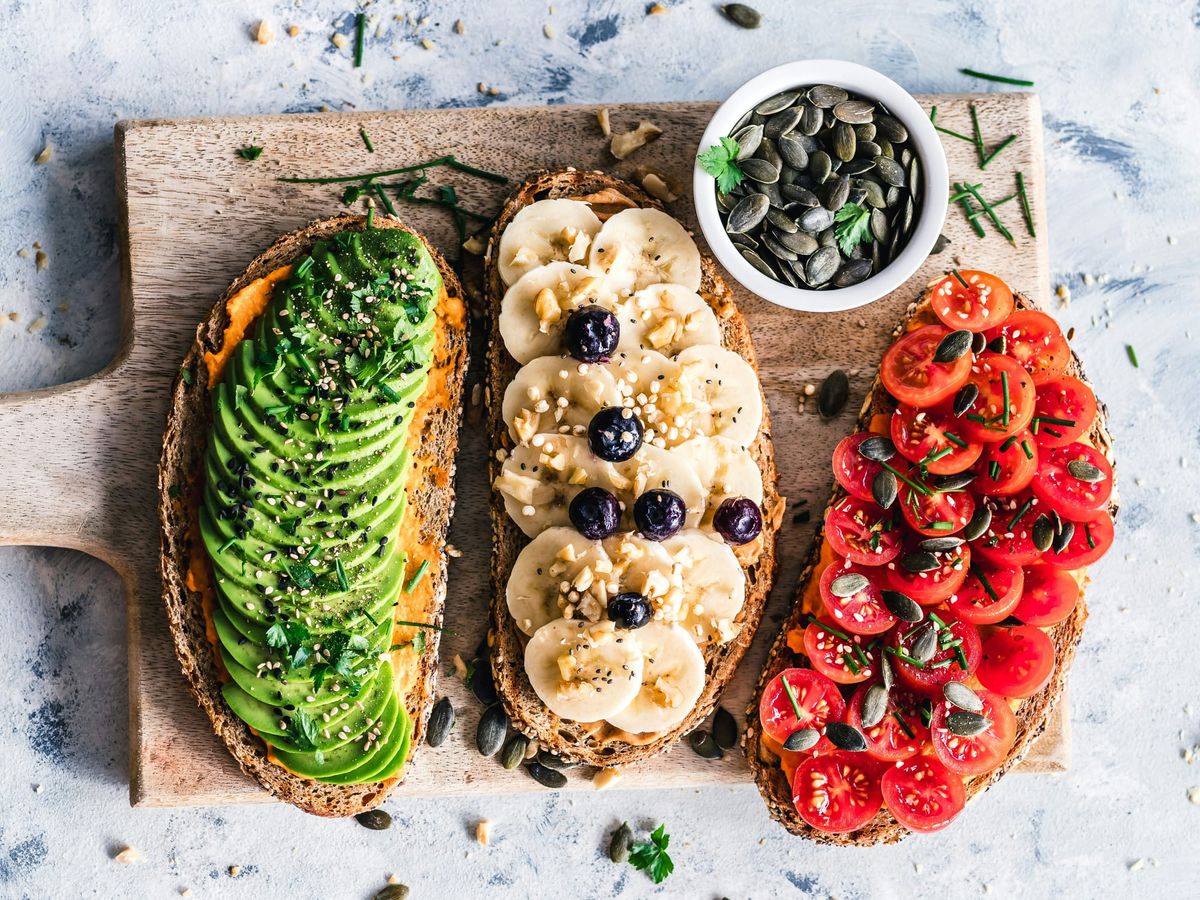
Calming Anxiety and Inflammation with Food
Functional Nutrition Strategies for the Gut-Brain Axis and Stress Relief
By Dr. Cristiana Coneru, MD, FRSM, FRCEM, CFMP, HCTP, Dip CNM, NBC‑HWC Founder of Health Visioning
Discover how the vagus nerve connects your gut and brain - and how the right foods can reduce anxiety, ease inflammation, and restore calm. Science-backed nutrition strategies, explained simply.
If you’ve been feeling wired, overwhelmed, or stuck in a cycle of stress and inflammation, you’re not alone. So many of us move through our days with a nervous system that’s constantly “on,” leaving our minds anxious and our bodies inflamed. In this blog, we’ll explore how simple, nourishing foods and functional nutrition strategies can help soothe the gut brain axis, support vagal tone, and bring your system back into a state of ease. Think of this as a gentle reset, a way to reconnect with your body’s natural rhythms and give your nervous system the support it’s been craving.
Let’s take a deep breath together and begin your journey toward calmer days and a more resilient you.
1. The Body's Hidden Highway

You may not be able to feel it, but right now a remarkable nerve is quietly monitoring your heartbeat, regulating your breathing, sensing the movements of your digestive tract, and helping to shape whether you feel calm or on edge. This is the vagus nerve, derived from the Latin word for 'wandering,' because it does exactly that: it wanders from your brainstem down into your abdomen, reaching many of the body's major organs along the way (Breit et al., 2018).
Every meal you eat is a message you send to your nervous system. The question is: what are you telling it?
Think of it as your body's hidden highway - a two-way communication system between your gut and your brain that influences your mood, your immune response, your digestion, and even your capacity to handle everyday stress (Breit et al., 2018). When this highway is clear and functioning well, you feel grounded, resilient, and at ease. When it's congested by chronic stress, poor diet, or systemic inflammation, you may experience a familiar cluster of symptoms: persistent low-grade anxiety, digestive discomfort, brain fog, or that unsettling feeling of always being on high alert.
The uncomfortable truth is that modern life - with its ultra-processed foods, chronic busyness, and constant stimulation - may put this nerve under tremendous strain. But here's the empowering part: you have far more influence over your vagal health than you might think. One of the most accessible and science-backed tools at your disposal is something you do multiple times a day: eat.
This article explores the concept of a Vagus Nerve Diet - a way of eating specifically designed to send signals of safety, nourishment, and calm from your gut up to your brain. It combines the best of functional nutrition with an understanding of the gut-brain axis to help you reset from the inside out.
Is Your Nervous System out of Balance?
Before altering your daily routine, it is incredibly helpful to map exactly where your body is holding chronic stress. If you are struggling to discern between standard daily fatigue and deeper systemic exhaustion, take our quick, interactive Adrenal Fatigue & Burnout Quiz to uncover your personalized baseline stress score and receive targeted somatic recommendations.
2. How Your Gut "Talks" to Your Brain
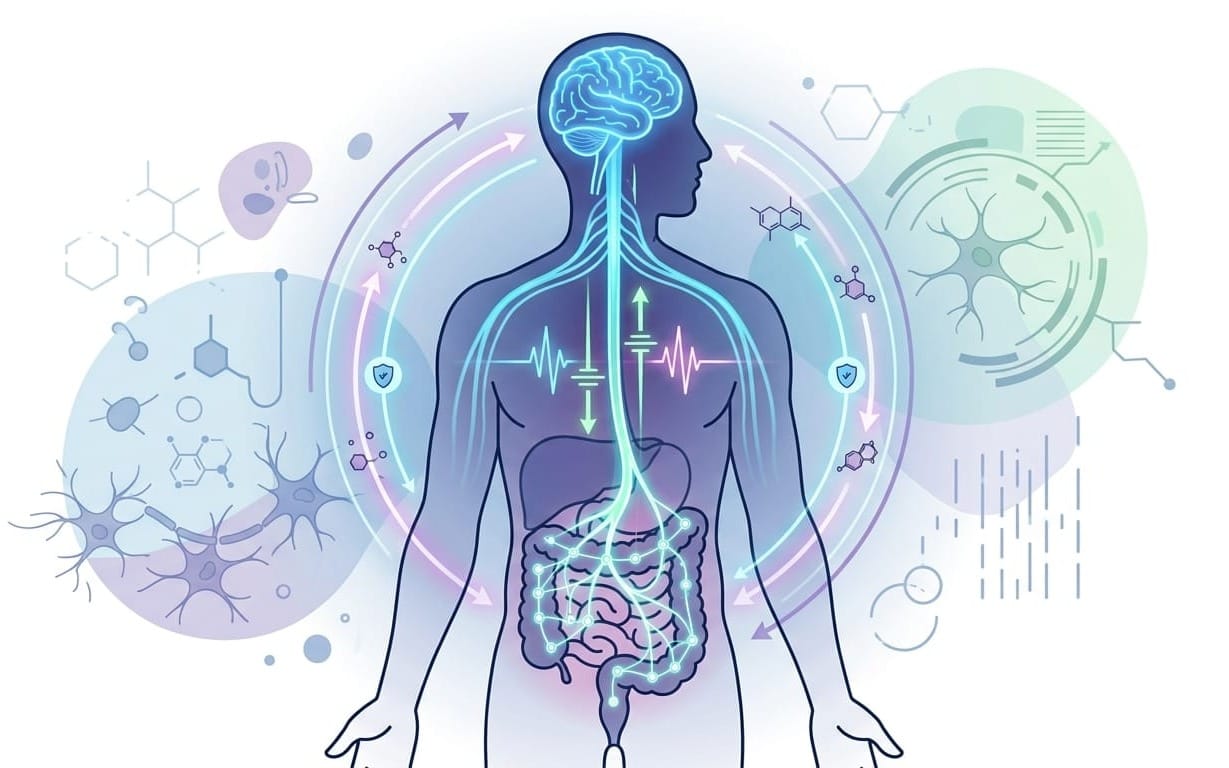
The Gut-Brain Axis
The gut-brain axis is the bidirectional communication network that links the enteric nervous system (the so-called 'second brain' housed in your gut lining) with the central nervous system in your skull. The vagus nerve is one of the main physical conduits of this network, alongside immune and hormonal signalling routes (Mayer et al., 2022).
What surprises most people is the direction of traffic. Roughly 80% of the nerve fibres in the vagus nerve are afferent - they carry signals upward, from the organs, including the gut, to the brain, not the other way around (Berthoud & Neuhuber, 2000). This means your gut is constantly reporting to your brain: it's sending updates on the state of your microbiome, the integrity of your gut lining, the presence of nutrients, and the level of inflammation in your digestive tract. Your brain then uses this information to shape your emotional state, your stress response, and your perception of safety.
Researchers are exploring whether an inflamed gut, dysbiosis (out of bacterial balance), or increased intestinal permeability - commonly called 'leaky gut' - can alter these signals in ways that contribute to anxiety, low mood, and heightened reactivity. Much of the supporting evidence so far comes from animal studies, and it is not yet clear how far it translates to people (Margolis et al., 2021; Mayer et al., 2022). A healthy, well-nourished gut is thought to support calmer signalling.
Around 80% of vagus nerve fibres carry signals upward - from your organs, including your gut, to your brain. Your gut is not just digesting food; it is constantly informing how you feel.
Understanding Vagal Tone
When scientists and clinicians talk about the strength and efficiency of vagal nerve function, they refer to 'vagal tone.' You can think of it like muscle tone - the higher your vagal tone, the more responsive and resilient your nervous system is.
Higher vagal tone is generally associated with a better capacity to regulate stress responses, and treatments that increase vagal tone have been shown to inhibit cytokine production (inflammatory signalling) (Breit et al., 2018). Respiratory sinus arrhythmia - the natural rise and fall of heart rate with breathing, and a component of heart rate variability (HRV) - is widely used as a marker of vagal influence on the heart (Porges, 2009).
The encouraging finding from research is this: vagal tone is not fixed. It can be influenced by lifestyle practices such as slow breathing (Breit et al., 2018), and diet may play a supporting role, although direct evidence on food and vagal tone is still limited.
The Polyvagal Perspective
To understand why nutrition matters so deeply for the vagus nerve, it helps to briefly consider Polyvagal Theory, developed by neuroscientist Dr. Stephen Porges. This framework proposes that the vagus nerve governs three distinct physiological states (Porges, 2009). Polyvagal Theory remains debated among physiologists, so it is best treated here as a useful framework rather than settled fact.
• Ventral Vagal State (Safe & Social): This is your optimal baseline - a state of calm alertness, social engagement, and efficient digestion. It is the goal of any vagal reset practice.
• Sympathetic State (Fight or Flight): Triggered by perceived threat, this state elevates heart rate, tenses muscles, and shunts resources away from digestion. Chronic activation is exhausting and inflammatory.
• Dorsal Vagal State (Freeze/Shutdown): The most primitive response, activated when escape seems impossible. Characterised by metabolic shutdown, dissociation, and profound fatigue.
A diet rich in vagus-friendly nutrients may help anchor you in the ventral vagal state - calm, connected, and able to heal. The idea is that when the gut is well-nourished and its microbiome is thriving, the signals it sends via the vagus nerve are ones of safety, whereas an inflamed or depleted gut tips the nervous system toward threat and dysregulation. This is a plausible hypothesis rather than a proven effect.
3. The Reset Menu: Top Foods to Improve Vagal Tone
What follows is a practical, evidence-informed guide to the key nutrients and food categories that support gut-brain health and may support vagal tone. This is not about perfection - it's about consistently sending your nervous system the right messages, one meal at a time. A note on the evidence: much of the research below comes from laboratory and animal studies, or from studies of gut-brain health in general, rather than from human trials that measured vagal tone directly.
Probiotics & Fermented Foods

The trillions of microorganisms living in your gut - your microbiome - are far more than passive residents. They are active biochemical factories that produce neurotransmitters, short-chain fatty acids (SCFAs), and a host of signalling molecules that can influence gut-brain communication, including signalling via the vagus nerve (Margolis et al., 2021).
Some gut bacteria can also produce gamma-aminobutyric acid (GABA) - the brain's primary inhibitory (calming) neurotransmitter. In laboratory studies, human gut-derived strains of Lactobacillus brevis and several Bifidobacterium species converted glutamate to GABA (Barrett et al., 2012). In mice, a Lactobacillus rhamnosus strain altered GABA receptor expression in the brain and reduced anxiety- and depression-related behaviour; these effects were absent when the vagus nerve had been cut, pointing to the vagus as the messenger (Bravo et al., 2011). Human evidence for this pathway is still limited.
Additionally, a diverse and well-populated microbiome produces SCFAs such as butyrate, propionate, and acetate. Butyrate in particular is thought to have anti-inflammatory effects on the gut lining, may help reduce intestinal permeability, and may stimulate vagal afferent nerve fibres that relay calming signals upward (Breit et al., 2018).
What to eat:
• Unpasteurised sauerkraut and kimchi (live cultures, not the shelf-stable pasteurised versions)
• Kefir (dairy or coconut-based) — a good source of live cultures
• Probiotic yogurt with minimal added sugar
• Kombucha (in moderation, watch sugar content)
• Miso, tempeh, and natto (fermented soy products)
Practical tip: Introduce fermented foods slowly if you're not used to them - start with a tablespoon of sauerkraut or a small glass of kefir daily and build up. A diverse microbiome takes time to cultivate.
Omega-3 Fatty Acids
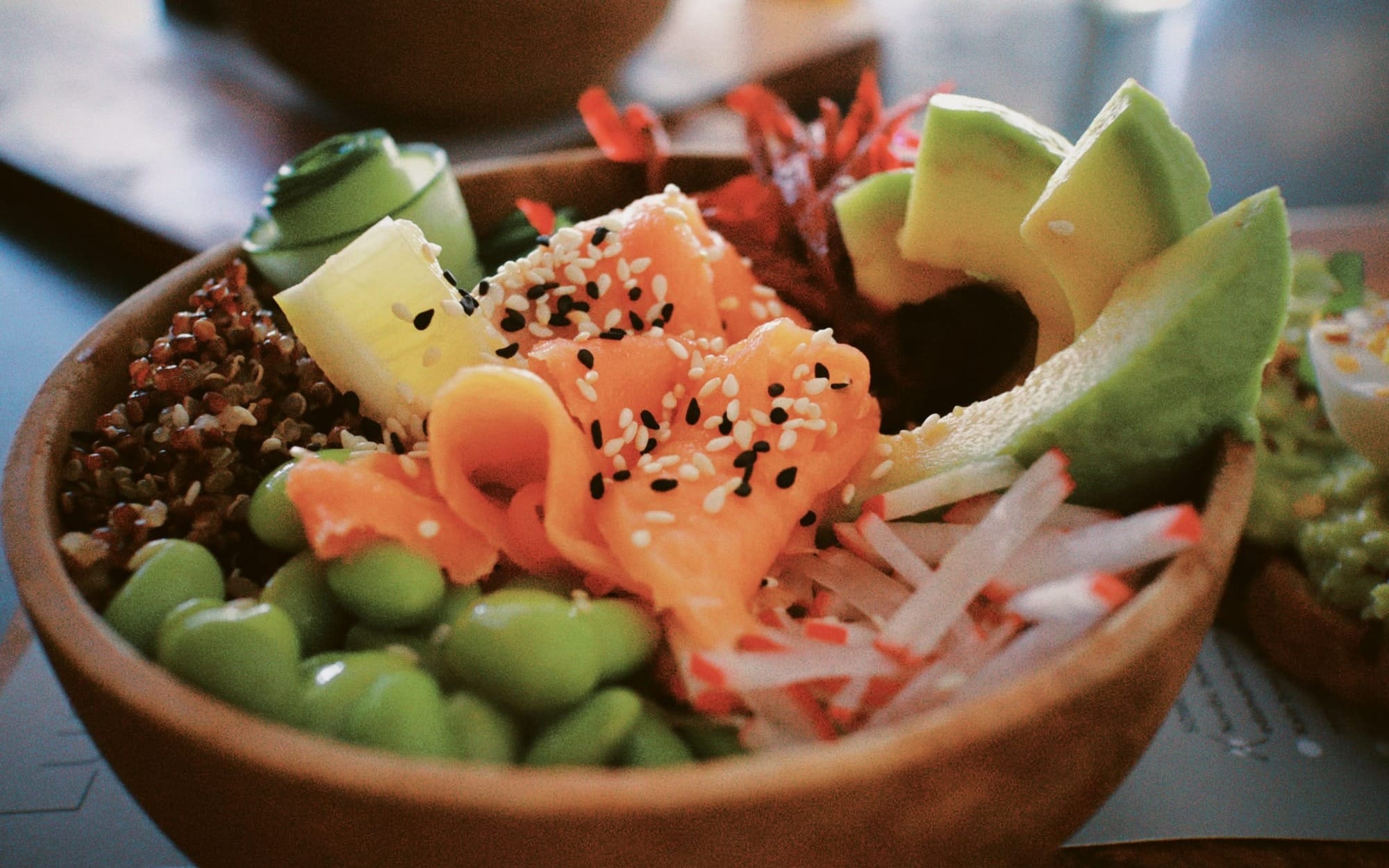
Many nerve fibres - including some of those in the vagus nerve - are wrapped in a myelin sheath, a fatty layer that enables fast, efficient signal transmission. Omega-3 fatty acids, particularly EPA (eicosapentaenoic acid) and DHA (docosahexaenoic acid), have anti-inflammatory properties and are structural components of nerve cell membranes.
In a 12-week randomised, double-blind, placebo-controlled trial of 68 medical students, omega-3 supplementation (about 2.5 g per day, mostly EPA) reduced stimulated interleukin-6 production by 14% and anxiety symptoms by 20% compared with placebo, without changing depressive symptoms (Kiecolt-Glaser et al., 2011). The trial did not measure vagal tone, so a vagal mechanism remains a plausible hypothesis rather than a demonstrated effect.
What to eat:
• Wild-caught fatty fish: salmon, mackerel, sardines, anchovies, herring (aim for 2–3 servings per week)
• Walnuts (the only nut with a meaningful omega-3 content)
• Chia seeds and ground flaxseeds
• Algae-based omega-3 supplements (ideal for plant-based eaters)
• High-quality fish oil supplements (look for third-party tested, with combined EPA + DHA ≥ 1,000 mg per serving)
Magnesium-Rich Greens
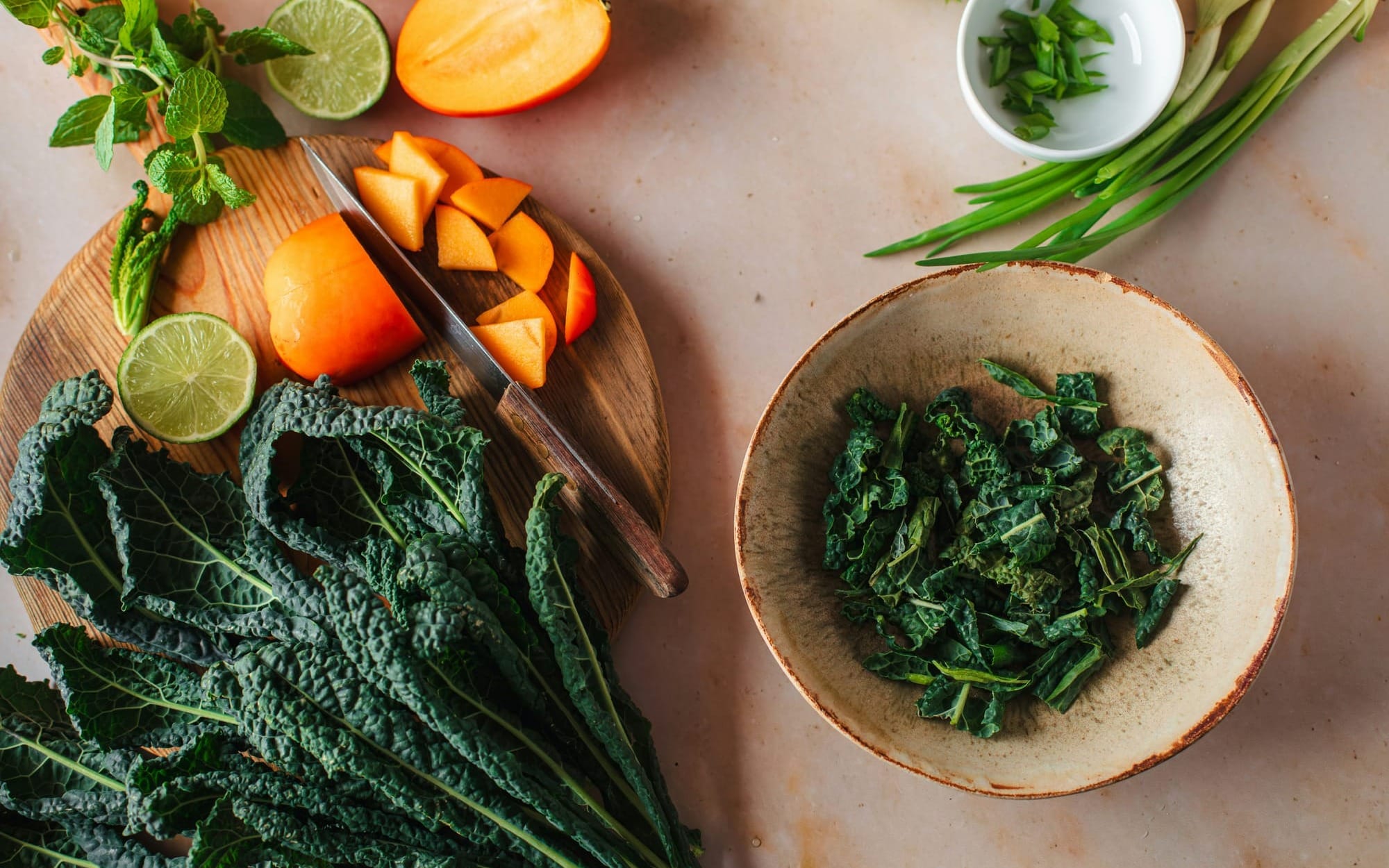
Often called the 'calming mineral,' magnesium is involved in hundreds of enzymatic reactions in the body (de Baaij et al., 2015), many of which are related to stress regulation and nervous system function. It acts as a natural NMDA receptor antagonist - essentially blocking excitatory signals in the nervous system.
Deficiency is thought to be common. One review estimates that around 60% of adults do not reach the average dietary intake of magnesium, and attributes this in part to dietary practices, medications, and declining magnesium content in cultivated vegetables (Workinger et al., 2018). Symptoms of low magnesium overlap considerably with anxiety, muscle tension, poor sleep, and restlessness - all of which further tax the vagus nerve.
What to eat:
• Dark leafy greens: spinach, Swiss chard, kale, rocket
• Pumpkin seeds (one of the richest dietary sources of magnesium)
• Dark chocolate (70%+ cacao - also contains anti-inflammatory flavonoids)
• Avocados, black beans, and edamame
• Almonds and cashews
Choline-Rich Foods
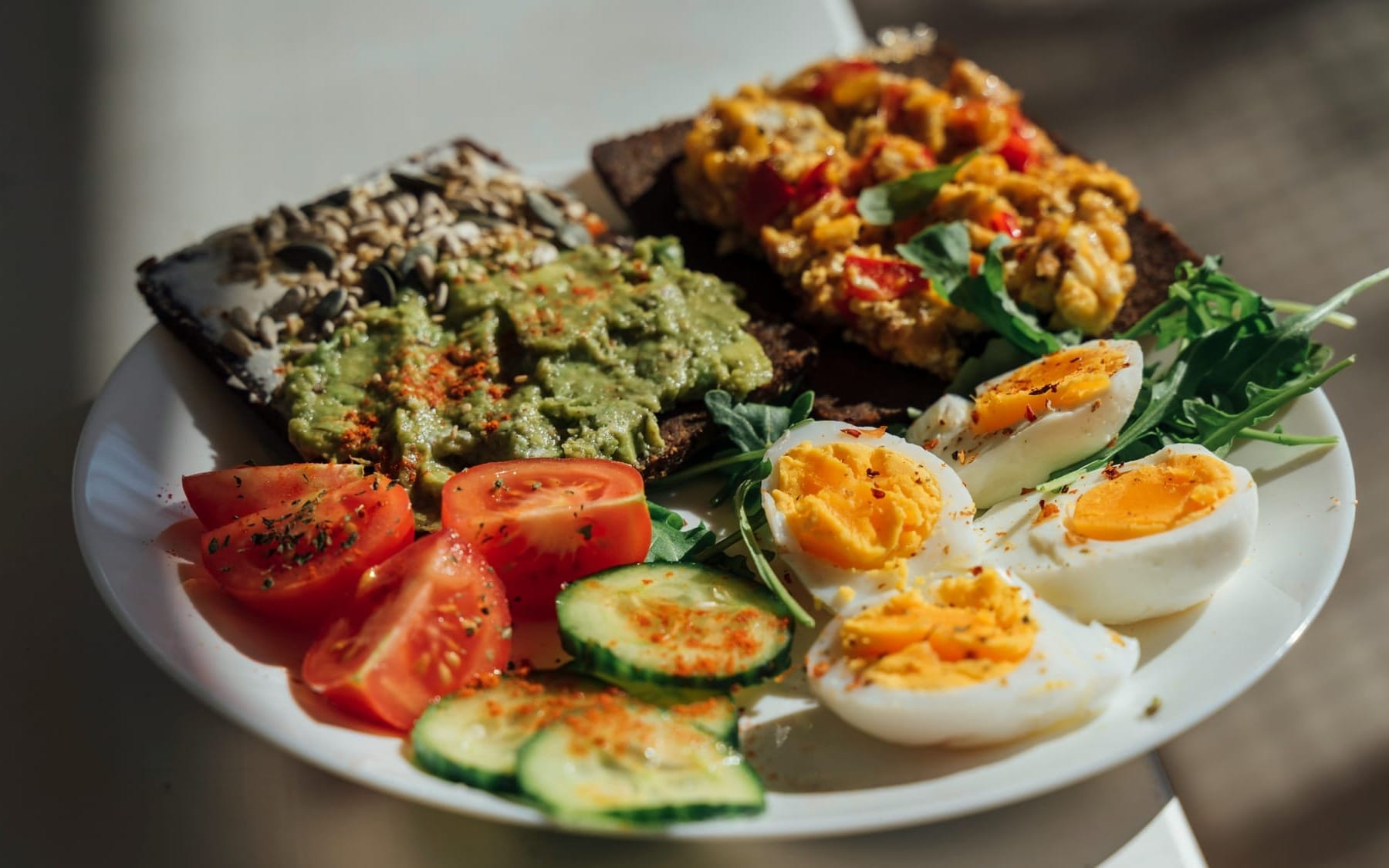
This nutrient is not discussed nearly enough in conversations about mental health and nervous system function. Choline is needed to make acetylcholine, an important neurotransmitter for memory, mood, muscle control, and other nervous system functions (National Institutes of Health, Office of Dietary Supplements [NIH ODS], n.d.). It is also the main neurotransmitter of the vagus nerve's parasympathetic signals, which help slow the heart rate, stimulate digestive motility, and dampen inflammation (Breit et al., 2018).
The body makes some choline in the liver, but not enough to meet its needs, so dietary intake matters (NIH ODS, n.d.). There is currently little direct evidence that eating more choline raises vagal tone in people who already get enough.
What to eat:
• Eggs (whole eggs - the yolk contains the choline; one large hard-boiled egg provides roughly 147 mg (NIH ODS, n.d.))
• Liver and other organ meats (exceptionally rich in choline, as well as B vitamins)
• Beef, chicken, and fish (moderate amounts)
• Soybeans and edamame (good plant-based sources)
• Shiitake mushrooms
Anti-Inflammatory Spices: Turmeric & Ginger

Chronic low-grade inflammation is thought to be one of the mechanisms by which vagal function may become compromised. Pro-inflammatory cytokines - signalling proteins released during inflammatory processes - can act on the brain to produce what researchers call 'sickness behaviour': fatigue, social withdrawal, low mood, and cognitive slowing (Dantzer et al., 2008).
Two culinary spices have been studied for their ability to counter this inflammatory cascade:
Curcumin (Turmeric): The active compound in turmeric inhibits NF-κB, a key regulator of inflammatory gene expression. Reviews describe antioxidant and anti-inflammatory effects, with some evidence for benefits in anxiety (Hewlings & Kalman, 2017); evidence for effects on the gut-brain axis is mostly preclinical. Curcumin on its own is poorly absorbed, and combining it with piperine from black pepper has been reported to raise bioavailability substantially (Hewlings & Kalman, 2017). Taking it with a fat source is also commonly advised.
Ginger: Contains gingerols and shogaols, compounds with anti-nausea and anti-inflammatory properties. Ginger has been studied for effects on gut motility and intestinal inflammation, both of which may influence vagal tone.
How to use them:
• Golden milk: warm turmeric milk with black pepper and a fat source (coconut oil, whole milk)
• Fresh ginger in teas, smoothies, and stir-fries
• Turmeric in soups, curries, and scrambled eggs
• Ginger and turmeric as a combined anti-inflammatory tonic
L-Theanine: The Calm-Focus Compound
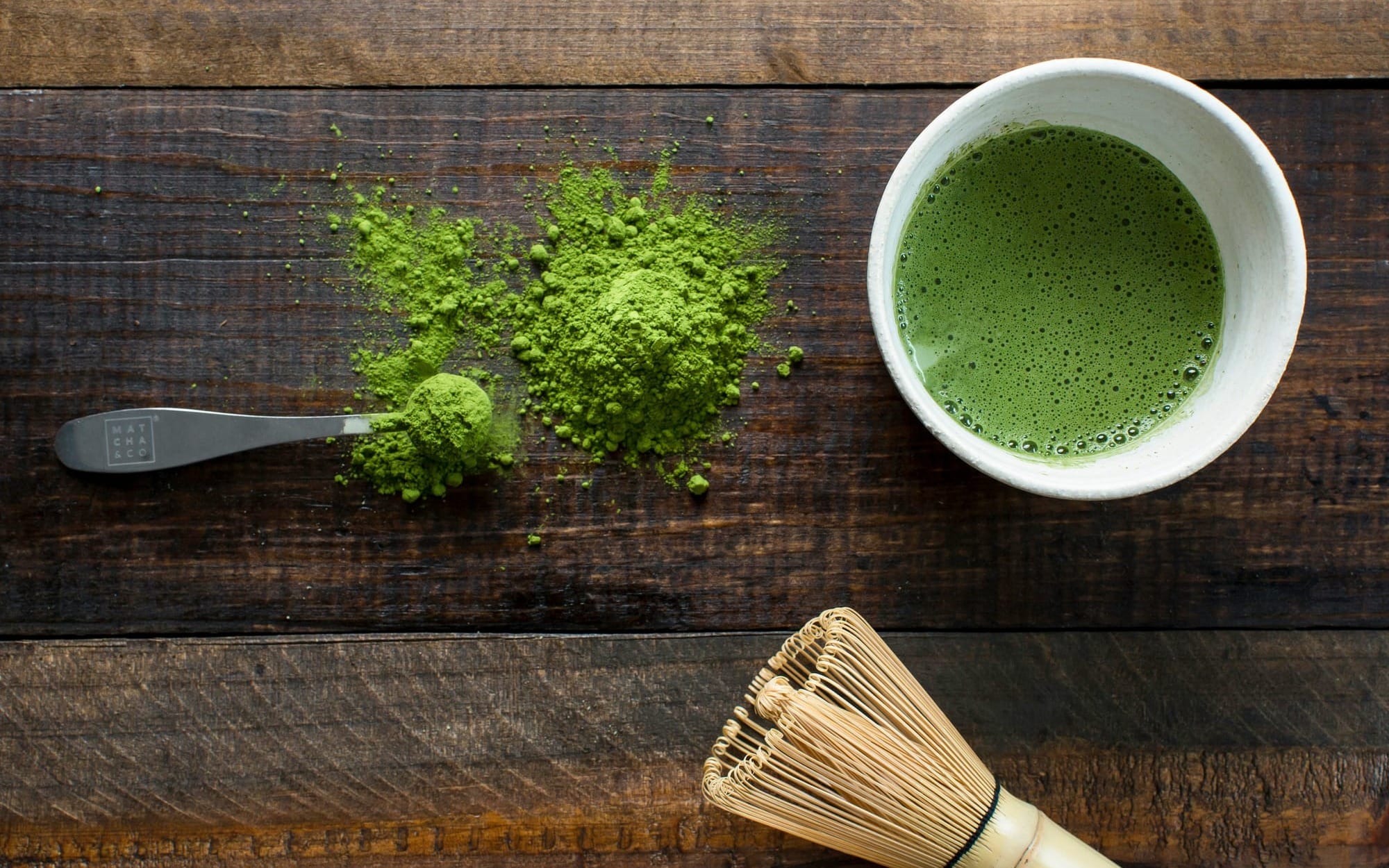
Found almost solely in tea plants, L-theanine is an amino acid with a uniquely targeted effect on the nervous system. In rats it reached the brain within about 30 minutes, and in human volunteers oral doses of 50–200 mg increased alpha brain-wave activity - associated with relaxed alertness without drowsiness (Juneja et al., 1999). This is early, small-scale evidence.
L-theanine is often described as calming, helping the nervous system return to a more regulated baseline. When combined with caffeine - as it naturally is in green tea and matcha - it is thought to smooth out the stimulant effect of caffeine, reducing jitteriness and promoting a state of alert calm rather than reactive arousal.
What to drink:
• Matcha (the richest source of L-theanine in liquid form)
• Green tea (sencha, gyokuro)
• White tea
• L-theanine supplements (50–200 mg doses are commonly studied)
4. Daily Rituals: Moving Beyond the Plate

Food is the foundation of vagal health, but the vagus nerve also responds to physical practices that can be incorporated into your daily routine with minimal effort. Think of these as 'movement snacks' for your nervous system.
The Exhale Hack
One of the best-studied ways to influence vagal tone is slow, controlled breathing (Breit et al., 2018). When you breathe out, your heart rate naturally slows in a process called respiratory sinus arrhythmia, which has a neural origin in vagal outflow (Porges, 2009). Extending the exhale is widely used as a way to encourage parasympathetic activity.
Practice: Inhale slowly through your nose for a count of 4, allowing your belly (not your chest) to expand. Exhale slowly through pursed lips for a count of 6–8. Repeat for 5–10 cycles whenever you feel stress rising, before meals, or upon waking. If you feel light-headed, return to normal breathing.
Cold Exposure
Brief cold exposure to the face can trigger the diving reflex - a physiological response that slows the heart rate via the vagus nerve. Whether short cold exposures produce lasting improvements in vagal tone or heart rate variability is less clear.
Practice: Finish your morning shower with 30–60 seconds of the coldest water comfortable. Alternatively, splash ice-cold water on your face for 30 seconds while holding your breath. If you have a heart-rhythm condition, high blood pressure, or take cardiac medication, check with your doctor first.
Mindful Chewing
Digestion begins in the mouth. Chewing, along with the sight, smell, and taste of food, triggers the 'cephalic phase' of digestion, which is mediated in part by the vagus nerve and prepares the stomach and gut to receive food. Eating very quickly - a hallmark of modern life - may shorten this preparatory phase and can impair digestive function downstream.
Practice: Aim for 20–30 chews per bite of food. Put your fork down between bites. This not only improves digestion but sends early satiety signals to the brain, often reducing overall food intake naturally.
Gargling & Humming
The vagus nerve supplies muscles at the back of the throat and the larynx. Gargling with water for 30 seconds, or humming and singing, engages these muscles and is often suggested as a way to stimulate vagal branches, although direct evidence for a measurable calming effect is limited. Simple, free, and low-risk - consider making it a morning ritual.
5. What to Avoid: The Vagus Nerve Disruptors

Just as certain foods nourish the vagus nerve, others may work against it. Understanding what to limit is as important as knowing what to add.
Trans Fats & Ultra-Processed Foods
Industrial trans fats (partially hydrogenated oils) and ultra-processed foods are associated with greater systemic inflammation and poorer gut health. Whether they directly lower vagal tone or heart rate variability has not been firmly established.
Ultra-processed foods are additionally concerning for their lack of fibre (starving beneficial bacteria), their high sodium content (which can affect blood pressure regulation), and their impact on the reward pathways of the brain, which can further dysregulate the stress response.
• Limit: packaged snacks, fast food, processed deli meats, commercially baked goods, and anything with a long list of unrecognisable ingredients
• Replace with: whole, minimally processed foods prepared at home wherever possible
Excessive Sugar & Refined Carbohydrates
A high-sugar diet can cause rapid spikes and dips in blood glucose, and the dips can trigger release of stress hormones such as adrenaline and cortisol. Whether the vagus nerve reads these swings as a form of physiological threat is a hypothesis rather than an established finding.
Refined sugars may also favour less beneficial gut microbes, and high intake has been linked to increased intestinal permeability, both of which could affect gut-brain communication.
• Limit: sugary drinks, confectionery, pastries, white bread, and high-glycaemic processed foods
• Better choices: complex carbohydrates from vegetables, legumes, and whole grains that feed beneficial bacteria and support stable blood sugar
Alcohol
Frequent or heavy drinking is associated with gut dysbiosis, increased intestinal permeability, and disrupted sleep - all of which can affect the gut-brain axis. Chronic heavy alcohol use can also damage nerves, including autonomic nerves, and alters GABA and serotonin signalling. Occasional moderate alcohol consumption is a more nuanced topic.
6. Conclusion: A Holistic Reset

Every meal you eat is, in a very real biological sense, a message you send to your nervous system. The foods you choose can either reinforce a state of safety and calm - or amplify inflammation and threat. The vagus nerve listens to every bite.
What makes the Vagus Nerve Diet so compelling is that it doesn't require expensive supplements, complex protocols, or radical lifestyle overhauls. It asks, instead, for a gradual, consistent re-orientation of your eating patterns around foods that nourish the gut-brain highway and send signals of safety, nourishment, and calm.
Start with one pillar. Perhaps it's adding a portion of fermented food each day, or swapping your afternoon coffee for a matcha. Perhaps it's including fatty fish twice a week, or sprinkling pumpkin seeds on your morning oatmeal. Small, consistent steps may compound over time into meaningful shifts in vagal tone, gut health, and emotional resilience.
The vagus nerve has been called your body's built-in resilience system. Unlike so much of modern medicine, the tools to support it are accessible, affordable, and - perhaps most importantly - deeply pleasurable. Good food, shared meals, slow breathing, and a moment of cold water in the morning: these are not just wellness trends. They are, in the truest sense, acts of self-regulation.
The path to a calmer mind begins, quite literally, with what is on your plate.
Which reset food are you adding to your grocery list this week? Start with one - and let your nervous system feel the difference.
Stop managing symptoms. Reset your nervous system.
Rebalance your gut-brain axis, optimize your vagal tone, and break the cycle of chronic burnout. Join The Tired and Wired Reset today for a step-by-step blueprint to lasting physical and neurological renewal.
References
Barrett, E., Ross, R. P., O’Toole, P. W., Fitzgerald, G. F., & Stanton, C. (2012). γ-Aminobutyric acid production by culturable bacteria from the human intestine. Journal of Applied Microbiology, 113(2), 411–417. https://doi.org/10.1111/j.1365-2672.2012.05344.x
Berthoud, H.-R., & Neuhuber, W. L. (2000). Functional and chemical anatomy of the afferent vagal system. Autonomic Neuroscience, 85(1–3), 1–17. https://doi.org/10.1016/S1566-0702(00)00215-0
Bravo, J. A., Forsythe, P., Chew, M. V., Escaravage, E., Savignac, H. M., Dinan, T. G., Bienenstock, J., & Cryan, J. F. (2011). Ingestion of Lactobacillus strain regulates emotional behavior and central GABA receptor expression in a mouse via the vagus nerve. Proceedings of the National Academy of Sciences, 108(38), 16050–16055. https://doi.org/10.1073/pnas.1102999108
Breit, S., Kupferberg, A., Rogler, G., & Hasler, G. (2018). Vagus nerve as modulator of the brain–gut axis in psychiatric and inflammatory disorders. Frontiers in Psychiatry, 9, Article 44. https://doi.org/10.3389/fpsyt.2018.00044
Dantzer, R., O’Connor, J. C., Freund, G. G., Johnson, R. W., & Kelley, K. W. (2008). From inflammation to sickness and depression: When the immune system subjugates the brain. Nature Reviews Neuroscience, 9(1), 46–56. https://doi.org/10.1038/nrn2297
de Baaij, J. H. F., Hoenderop, J. G. J., & Bindels, R. J. M. (2015). Magnesium in man: Implications for health and disease. Physiological Reviews, 95(1), 1–46. https://doi.org/10.1152/physrev.00012.2014
Hewlings, S. J., & Kalman, D. S. (2017). Curcumin: A review of its effects on human health. Foods, 6(10), Article 92. https://doi.org/10.3390/foods6100092
Juneja, L. R., Chu, D.-C., Okubo, T., Nagato, Y., & Yokogoshi, H. (1999). L-theanine—A unique amino acid of green tea and its relaxation effect in humans. Trends in Food Science & Technology, 10(6–7), 199–204. https://doi.org/10.1016/S0924-2244(99)00044-8
Kiecolt-Glaser, J. K., Belury, M. A., Andridge, R., Malarkey, W. B., & Glaser, R. (2011). Omega-3 supplementation lowers inflammation and anxiety in medical students: A randomized controlled trial. Brain, Behavior, and Immunity, 25(8), 1725–1734. https://doi.org/10.1016/j.bbi.2011.07.229
Margolis, K. G., Cryan, J. F., & Mayer, E. A. (2021). The microbiota–gut–brain axis: From motility to mood. Gastroenterology, 160(5), 1486–1501. https://doi.org/10.1053/j.gastro.2020.10.066
Mayer, E. A., Nance, K., & Chen, S. (2022). The gut–brain axis. Annual Review of Medicine, 73, 439–453. https://doi.org/10.1146/annurev-med-042320-014032
National Institutes of Health, Office of Dietary Supplements. (n.d.). Choline: Fact sheet for health professionals. Retrieved September 28, 2026, from https://ods.od.nih.gov/factsheets/Choline-HealthProfessional/
Porges, S. W. (2009). The polyvagal theory: New insights into adaptive reactions of the autonomic nervous system. Cleveland Clinic Journal of Medicine, 76(Suppl. 2), S86–S90. https://doi.org/10.3949/ccjm.76.s2.17
Workinger, J. L., Doyle, R. P., & Bortz, J. (2018). Challenges in the diagnosis of magnesium status. Nutrients, 10(9), Article 1202. https://doi.org/10.3390/nu10091202
AI disclosure
This article reflects the author's own clinical experience, ideas, and perspective. Claude (Anthropic) was used for editorial support in preparing this piece - including research assistance, citation verification, and structural polishing.