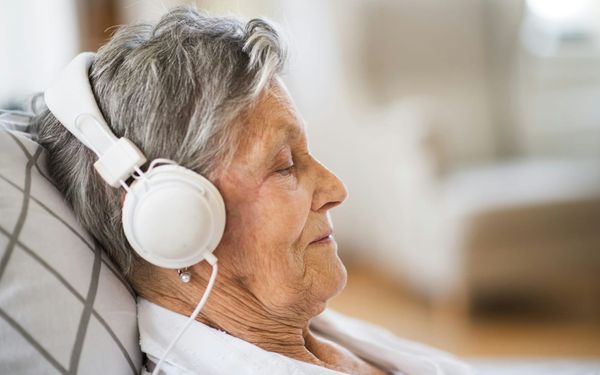
The Sound of Silence
Silence isn't empty; it's a powerful nervous-system reset. Explore how chronic noise pollution impacts your body, and learn practical ways to weave brief "active silence" into modern life to protect focus.

Finding Yourself in the Gap Between Noises
This article is an updated and expanded version of a piece originally published on Substack, now revised with recent clinical research and updated medical citations.
By Dr. Cristiana Coneru, MD, FRSM, FRCEM, CFMP, HCTP, Dip CNM, NBC‑HWC Founder of Health Visioning
Silence isn’t empty; it’s a powerful nervous-system reset. This article explores how everyday noise erodes health and cognition, and how intentional quiet time heals the brain, supports emotional processing, and strengthens self-awareness. Discover practical ways to weave brief “active silence” into modern life so you can protect your focus, nurture your inner child, and reclaim a deeper sense of presence.
“The quieter you become, the more you can hear.” – Ram Dass
I. Introduction: The Myth of the Void
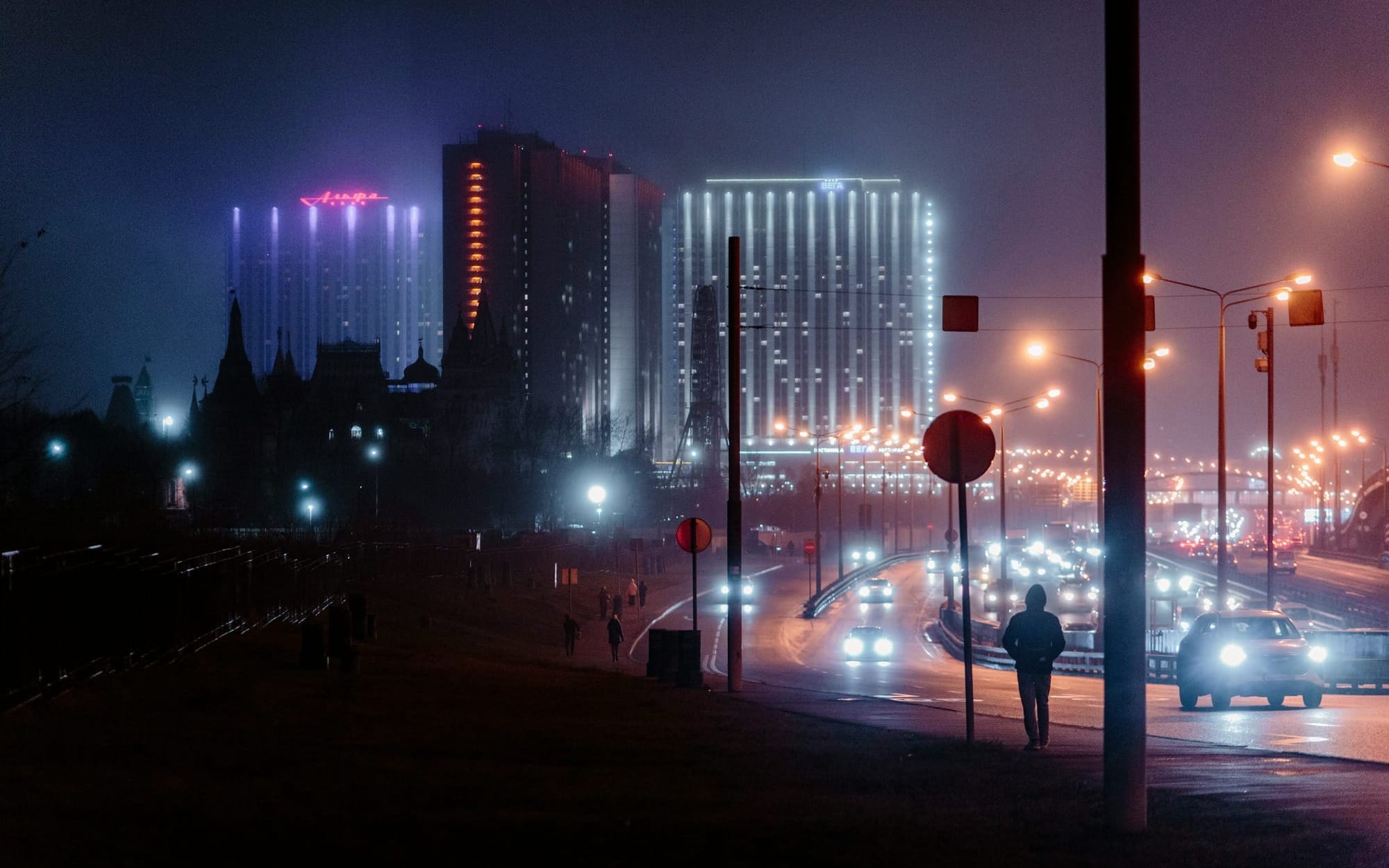
In a world overwhelmed by noise, speaking of silence may seem almost absurd. Yet it is precisely because noise has become the wallpaper of modern existence that silence deserves our most urgent attention. Noise pollution is a serious and growing problem in contemporary life. If you live in a city, the street noise rarely calms; it may soften in the small hours, but it never truly fades. How do we fall asleep in such an environment? How do we disconnect and unwind after a long day spent pushing ourselves from one task to the next? These are questions most people never stop to ask, because they are simply not aware of how damaging the situation already is. We are so accustomed to the constant uproar that we no longer notice it - and even on holiday, we accept the tumult of resorts and beaches without complaint.
The evidence is sobering. The World Health Organization has estimated that at least one million healthy life years are lost every year to traffic-related noise in western Europe alone (World Health Organization Regional Office for Europe, 2011). Chronic exposure to urban noise has been linked to elevated blood pressure, increased cortisol levels, sleep disturbances, cardiovascular disease, and even cognitive impairment in children (Stansfeld & Matheson, 2003). A systematic review of urban noise concluded that chronic exposure is harmful for auditory perception and for the cardiovascular, gastrointestinal and nervous systems, while also causing psychological annoyance (Mucci et al., 2020). These are not abstract statistics - they are the quiet cost of a loud world.
A few months ago, I posted on LinkedIn about how music protects the aging brain, and someone left a remark that shifted something deep inside me. We speak so freely about the therapeutic touch of sound and music, they wrote - but what about the sound of silence? That single question sent me into days of reflection. Living in a big city for years, the constant rumble of the street had become mere background noise. Even at home, this uproar penetrated like an unwanted guest, and without being fully aware of it, my own health was paying the price.
Growing up in a rural area, silence was a gift from above. It blended harmoniously with the birds’ morning symphony and the early rooster’s crow. My grandmother had a wonderfully talkative rooster - I called him Mr. Rooster, and soon everyone did. It was so peaceful to sleep without today’s noise pollution; the only companion in the night was the crickets’ song - a sweet lullaby and a kind of rural white noise guiding you gently to the realm of dreams. Sleep arrived softly, and the nights were truly restful. When Mr. Rooster launched into his morning concerto, it was his way of saying, “It’s morning - time to rise and shine, my dear.” Many years later, returning from the city for the first time, I could not sleep - the silence was too powerful; my ears and mind were full of it. But gradually, the connection clicked again, and I realised that embracing a “zzzt” from the modern world is the perfect gift: no resort could offer me that quality of peace.
This article is an invitation to reconsider silence - not as a void, not as the absence of data, not as a social glitch to be fixed, but as a frequency. It is the only channel clear enough to broadcast the subtle, often-ignored transmissions of our own lives. Silence is not a lack of sound; it is a deliberate tool for healing and the primary language of the inner self.
II. Silence vs. Solitude: The Space and the State
“Silence is a true friend who never betrays.” – Confucius
Many city dwellers have no idea what the sound of silence actually is. For some, silence is synonymous with solitude - a total and rather misleading assumption. The two concepts are beautifully distinct, and understanding the difference is the first step toward reclaiming both.
Silence is an acoustic environment - the external or internal condition of quiet. Solitude is a chosen state of being alone without being lonely. You can sit in perfect silence in a crowded cathedral and feel profoundly connected to something larger than yourself. Equally, you can be entirely alone in a busy apartment and feel the constant thrum of noise - digital, emotional, and psychological - pressing in from every direction. Social psychologists draw a related line between interpersonal silence, which arises within social interactions, and intrapersonal silence, which is a personal choice (Bao, 2025).
We often treat silence like an empty room, a void we must urgently fill with the furniture of conversation or the static of a scrolling screen. But what if silence is not a void at all? What if it is a container - the precise container that allows solitude to be productive and nourishing rather than isolating and frightening?
Remove the silences from a piece of music and you are left not with more music but with noise.
The synergy between silence and solitude is ancient wisdom dressed in modern neuroscience. When we actively choose quiet - even for a few minutes - we create the conditions for genuine self-encounter. This is not a luxury. It is, as the research increasingly shows, a fundamental human need.
“Music and silence combine strongly because music is done with silence, and silence is full of music.” – Marcel Marceau
III. The Doorway Within: Conversing with the Inner Child

“He who does not understand your silence will probably not understand your words.” – Elbert Hubbard
One of the reasons we unconsciously fill every moment with noise is that silence opens a door we are not sure we want to walk through. That door leads inward, and behind it live the voices we have long since learned to drown out: the younger selves who carry unprocessed grief, unmet needs, and questions we buried under the busy-ness of adult life.
When the noise stops - truly stops - our adult defences soften. The carefully constructed identity we present to the world relaxes its grip. And in that gap, something tender and often surprising emerges: a memory, an emotion, a longing, a recognition. This is what depth psychologists mean when they speak of the “Inner Child” - not a sentimental metaphor, but a real dimension of our psychological experience that holds the emotional truth of who we were before we learned to perform who we are.
Deep silence acts as a safe space for this inner dialogue. In the quiet, we can gently ask our younger self: What do you need? What were you never allowed to say? What were you carrying alone that no one helped you put down? These conversations cannot happen over the noise. They require stillness. They require the kind of sustained, compassionate quiet that tells the frightened parts of us: it is safe to speak now.
Therapeutic approaches rooted in inner-child work - from Internal Family Systems (IFS) to somatic experiencing - consistently emphasise the role of quiet in accessing these deeper layers of self. The therapist’s office itself, often a carefully cultivated sanctuary of calm, is no accident. It mirrors the internal work: to hear what has gone unheard, we must first turn down the volume on everything else.
Is chronic noise and stress driving internal stress?
Constant environmental uproar can trigger systemic stress responses in the body. Take our quick Chronic Inflammation Quiz to assess your current health risks and get a personalized wellness baseline.
IV. Silence as a Therapeutic Tool
The therapeutic power of silence is not merely philosophical — it is profoundly physiological. When noise stops, the body exhales. The nervous system, held in a near-constant state of low-grade alert by the relentless stimulation of modern life, begins the shift from sympathetic activation (“Fight or Flight”) to parasympathetic restoration (“Rest and Digest”).
A systematic review published in Progress in Brain Research explored the influence of silence on the autonomic nervous system using the Polyvagal Theory as its framework (Donelli et al., 2023). The review, which included 37 studies, found that inner silence - cultivated through practices such as meditation or mindful stillness - enhances activity of the ventral vagus, the neural pathway associated with social engagement, calm, and connection, while reducing sympathetic nervous system activity and physiological stress. Importantly, the review also distinguishes inner silence from outer silence: a quiet environment on its own can sometimes heighten alertness, and the response depends on context, familiarity with silence, and the quality of any remaining noise (Donelli et al., 2023). In practical terms, this means that silence can measurably calm the body - especially when we learn to meet it with an inner stillness rather than tension.
A study published in the journal Heart played different styles of music to musicians and non-musicians and randomly inserted two-minute pauses of silence. The pauses reduced heart rate, blood pressure and breathing to levels even below baseline, and they produced the clearest signs of relaxation - a finding that surprises many people who have long used music as their primary stress-reduction tool (Bernardi et al., 2006).
Perhaps most remarkably, a study published in Brain Structure and Function exposed adult female mice for two hours a day to different sound conditions - white noise, mouse pup calls, Mozart piano music adapted to the mouse hearing range, and silence - and compared them with the ordinary background noise of the animal facility (Kirste et al., 2015). Every condition except white noise initially increased the proliferation of precursor cells in the hippocampus, the brain region central to learning, memory and emotional regulation. But after seven days, only silence was still associated with higher numbers of newly labelled cells, including significantly more new immature neurons (Kirste et al., 2015). This process, known as neurogenesis, suggests that for the brain, silence is not merely passive. An important caveat: this was a mouse study, so it cannot tell us that two quiet hours would have the same effect in people. It does, however, make silence a biologically interesting condition rather than an empty one.
In clinical therapy, silence has its own specific grammar. In a survey of therapists, respondents reported using silence to reflect on what the client had said, to build rapport and convey empathy, and to give clients space to experience an emotion (Hill et al., 2003). When a therapist holds silence after a client’s disclosure, they communicate something that words cannot easily carry: I am here. I am not rushing you. What you have said matters enough to sit with. In this sense, silence in therapy is not empty - it is among the fullest things a practitioner can offer.
“We need to find God, and he cannot be found in noise and restlessness. God is the friend of silence. See how nature - trees, flowers, grass - grows in silence; see the stars, the moon and the sun, how they move in silence... We need silence to be able to touch souls.” - Mother Teresa
V. The “Anti-Noise”: A Modern Rebellion

“Silence is one of the great arts of conversation.” - Marcus Tullius Cicero
Choosing silence in our current cultural moment is a quiet act of rebellion. We live in an attention economy - a system specifically engineered to profit from every second of your focus and awareness. Every notification, every autoplay video, every algorithmically curated scroll is a tiny extraction. The currency being mined is not money; it is your mental bandwidth, your capacity for reflection, and ultimately, your sense of self.
In this context, deliberately stepping away from stimulation is not merely self-care. It is a counter-cultural act of sovereignty. When you switch off the noise and sit with yourself, you are refusing to be harvested. You are reclaiming the most valuable resource you possess: your own interior life.
Experimental work offers some support. In one experiment, 59 adults carried out tasks requiring concentration for about 48 minutes while exposed to quiet (35 dB), steady noise, or speech (both 65 dB). Compared with the quiet condition, both noise and speech raised cortisol levels, and speech - even at a moderate volume - was the most physiologically stressful and mentally loading of the three (Radun et al., 2021). Overviews written for the general public describe the same idea: that quiet gives the brain a chance to reset attention and decision-making (Malik, 2025), although that piece is a popular summary rather than primary research.
This is why the most productive people in history - from writers to scientists to philosophers - have almost universally protected long, uninterrupted periods of quiet. Their silence was not a retreat from the world; it was the engine room from which their contributions to it were built.
The mental detox that silence provides operates on multiple levels: it lowers inflammatory cortisol, allows the default mode network (the brain’s introspective system) to consolidate experience and generate insight, and - crucially - it gives the overwhelmed nervous system the signal it most rarely receives: that it is finally safe to stop.
VI. The Unexplored Strength

We have been culturally trained to associate silence with weakness - with having nothing to say, with being overlooked, with losing ground. This is one of the more damaging myths that the noise-saturated world has bequeathed us. In truth, the capacity to be genuinely, comfortably silent is one of the rarest and most powerful forms of presence a person can cultivate.
Consider the “pregnant pause” - that deliberate, considered silence before a response in a negotiation, a difficult conversation, or a moment of leadership. Silence is not read the same way everywhere: a systematic review of silence in social psychology found that it can signal attentiveness, emphasis or power, yet can also be read as disengagement or a lack of voice, depending on culture, context and relationship (Bao, 2025). That is exactly why the capacity to be comfortable with it matters. In conflict situations, silence can provide space for de-escalation by reducing immediate reactivity. The person who pauses is not the person who has lost - they are the person who is thinking.
Silence is also the natural habitat of clarity. The most resilient, grounded people - those who seem to navigate life’s complexities with a kind of steady grace - are often those who have learned to sit comfortably with their own quiet. They do not need the noise to feel real. Their sense of self does not depend on constant external confirmation. They have, as it were, developed an inner compass calibrated in the stillness.
A neuropsychologist interviewed by Palm Springs Life makes a similar point: Dr. Julien Guillaumot says silence allows for “interoception, which is the ability to tune in to your internal body sensations” (Molony, 2025). Interoception is, in essence, the physiological basis of self-knowledge. It is how we know what we feel, what we need, and what is true for us beneath the layers of social performance. Without regular access to silence, this capacity atrophies. With it, we become more genuinely ourselves.
Early brain-imaging work hints at a neural footprint of silence-related experience. In a study of Quadrato Motor Training, a structured mindful-movement practice, participants whose silence-related experiences increased over six weeks also showed changes in the left uncinate fasciculus, a fibre tract that links limbic structures to the prefrontal cortex and is associated with social-emotional processing and episodic memory (Ben-Soussan et al., 2020). The finding is correlational and comes from a practice-based study, so it points to a plausible pathway rather than proving that quiet rewires the brain.
VII. Conclusion: Listening to the Gap

Silence is not a void. It is a resource - perhaps the most renewable and most underused resource available to us. It is the frequency on which the inner self broadcasts, the container that makes solitude nourishing, the physiological switch that moves us from depletion to restoration, and the counter-cultural act that returns us to ourselves in a world that profits from our distraction.
The good news is that you do not need a three-day silent retreat in the mountains to begin experiencing its benefits - though those can be profoundly transformative. In one study, two-minute pauses of silence lowered heart rate, blood pressure and breathing even below resting baseline (Bernardi et al., 2006). In mice, two hours of silence a day for a week was associated with more new neurons in the hippocampus (Kirste et al., 2015), although we do not yet know whether the same is true for people.
So here is an invitation, offered with warmth and without pressure: today, find five minutes of what we might call “active silence.” Not the silence of distraction, not the silence of avoidance, but the intentional, receptive quiet of someone who has decided to listen. Sit with it. Notice what arises. A memory, perhaps. An emotion that has been patiently waiting. A question you forgot you had. A younger voice that simply wants to know you are there.
If the quiet feels uneasy at first, you are not doing it wrong. A systematic review found that outer silence alone can heighten alertness, and that familiarity and practice help silence become a state of inner calm (Donelli et al., 2023); an overview from a noise-measurement company likewise notes that silence can bring unsettling thoughts to the surface and that short, regular periods of it may build resilience and mindfulness (Malik, 2025). Start small, and let it become familiar.
In that gap between the noises, something extraordinary is always speaking. The only question is whether we are quiet enough to hear it.
Reclaim Your Energy
If you feel constantly overwhelmed by the modern world, intentional silence is a powerful first step.
To dive deeper into resetting your nervous system and transitioning away from chronic exhaustion, explore my guide, Tired and Wired.
You can choose the format that fits your lifestyle best—whether you prefer to read the comprehensive eBook or listen to the audiobook on the go.
References
Bao, D. (2025). A systematic review of multifaceted silence in social psychology. Behavioral Sciences, 15(9), Article 1220. https://doi.org/10.3390/bs15091220
Ben-Soussan, T. D., Marson, F., Piervincenzi, C., Glicksohn, J., De Fano, A., Amenduni, F., Quattrocchi, C. C., & Carducci, F. (2020). Correlates of silence: Enhanced microstructural changes in the uncinate fasciculus. Frontiers in Psychology, 11, Article 543773. https://doi.org/10.3389/fpsyg.2020.543773
Bernardi, L., Porta, C., & Sleight, P. (2006). Cardiovascular, cerebrovascular, and respiratory changes induced by different types of music in musicians and non-musicians: The importance of silence. Heart, 92(4), 445–452. https://doi.org/10.1136/hrt.2005.064600
Cicero, M. T. (n.d.). Silence is one of the great arts of conversation [Quote]. Philosiblog. https://philosiblog.com/2011/10/31/silence-is-one-of-the-great-arts-of-conversation/
Confucius. (n.d.). Silence is a true friend who never betrays [Quote]. In Goodreads. (Original work ca. 5th c. BCE)
Donelli, D., Lazzeroni, D., Rizzato, M., & Antonelli, M. (2023). Silence and its effects on the autonomic nervous system: A systematic review. Progress in Brain Research, 280, 103–144. https://doi.org/10.1016/bs.pbr.2023.08.001
Hill, C. E., Thompson, B. J., & Ladany, N. (2003). Therapist use of silence in therapy: A survey. Journal of Clinical Psychology, 59(4), 513–524. https://doi.org/10.1002/jclp.10155
Hubbard, E. (n.d.). He who does not understand your silence will probably not understand your words [Quote]. Philosiblog. https://philosiblog.com/2014/01/20/he-who-does-not-understand-your-silence-will-probably-not-understand-your-words/
Kirste, I., Nicola, Z., Kronenberg, G., Walker, T. L., Liu, R. C., & Kempermann, G. (2015). Is silence golden? Effects of auditory stimuli and their absence on adult hippocampal neurogenesis. Brain Structure and Function, 220(2), 1221–1228. https://doi.org/10.1007/s00429-013-0679-3
Malik, S. (2025, October 8). The science of silence: What happens to your brain in a quiet room. Cirrus Research. https://cirrusresearch.com/the-science-of-silence-what-happens-to-your-brain-in-a-quiet-room/
Marceau, M. (n.d.). Music and silence combine strongly because music is done with silence, and silence is full of music [Quote]. (Often attributed to Marcel Marceau; source varies.) https://x.com/BT/status/69975040594165760
Molony, T. (2025, July 22). How silence affects the brain, according to a neuropsychologist. Palm Springs Life. https://www.palmspringslife.com/wellness/how-silence-affects-the-brain-according-to-a-neuropsychologist/
Mucci, N., Traversini, V., Lorini, C., De Sio, S., Galea, R. P., Bonaccorsi, G., & Arcangeli, G. (2020). Urban noise and psychological distress: A systematic review. International Journal of Environmental Research and Public Health, 17(18), Article 6621. https://doi.org/10.3390/ijerph17186621
Radun, J., Maula, H., Rajala, V., Scheinin, M., & Hongisto, V. (2021). Speech is special: The stress effects of speech, noise, and silence during tasks requiring concentration. Indoor Air, 31(1), 264–274. https://doi.org/10.1111/ina.12733
Ram Dass. (n.d.). The quieter you become, the more you can hear [Quote]. In Goodreads. https://www.goodreads.com/quotes/49588-the-quieter-you-become-the-more-you-can-hear
Stansfeld, S. A., & Matheson, M. P. (2003). Noise pollution: Non-auditory effects on health. British Medical Bulletin, 68(1), 243–257. https://doi.org/10.1093/bmb/ldg033
World Health Organization Regional Office for Europe. (2011). Burden of disease from environmental noise: Quantification of healthy life years lost in Europe. https://www.who.int/europe/publications/i/item/9789289002295
AI disclosure
This article reflects the author's own clinical experience, ideas, and perspective. Claude (Anthropic) was used for editorial support in preparing this piece - including research assistance, citation verification, and structural polishing.