
The Songs That Keep the Mind Alive
Music isn't just an anecdotal comfort—it is a whole-brain event. Look inside the research behind how music-based interventions lower dementia risk, sharpen cognitive networks, and ease anxiety for those facing cognitive decline.
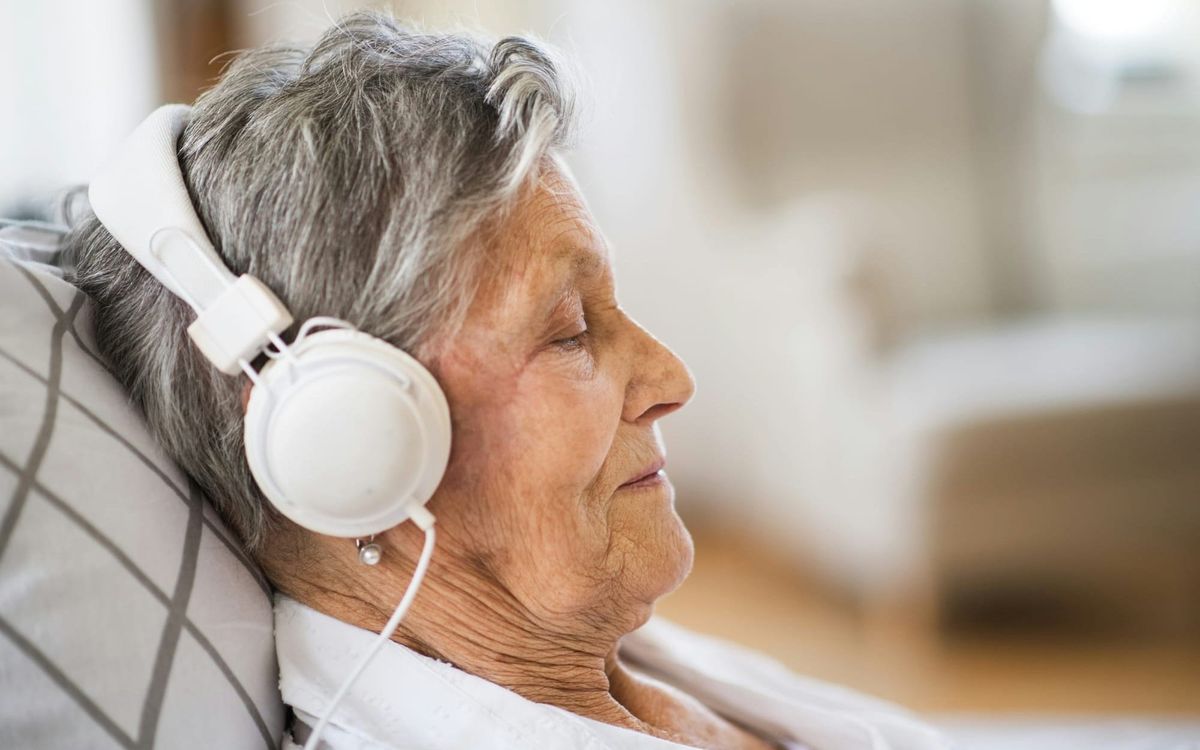
How Music Protects the Aging Brain and Eases Dementia
This article is an updated and expanded version of a piece originally published on Substack, now revised with recent clinical research and updated medical citations.
By Dr. Cristiana Coneru, MD, FRSM, FRCEM, CFMP, HCTP, Dip CNM, NBC HWC — Founder of Health Visioning
www.healthvisioning.com
What happens in the brain when a beloved song plays? A look at how music preserves memory, supports cognitive health, and offers relief for those facing dementia.
“Music can heal the wounds that medicine cannot touch.” - Debasish Mridha
Walk into a memory care unit on the right day and you might witness something that stops you in your tracks. A person who hasn’t strung a sentence together in weeks suddenly sings every word of an old song. Someone who spends most of the day agitated goes quiet and still, swaying gently to a tune from their twenties. For a long time, we treated these moments as heartwarming but ultimately “soft” - too anecdotal to take seriously as medicine.
The science is now catching up. And what it’s showing is not soft at all.
Regular musical engagement may lower the risk of developing dementia. For people already living with the condition, music-based interventions can sharpen thinking, ease anxiety and depression, and calm the behavioural disturbances that make daily care so hard. None of this makes music a cure. But across a growing body of randomised controlled trials, systematic reviews, and neuroimaging studies, music keeps showing up as one of the most accessible, evidence-backed tools we have for supporting the aging brain.
It’s also, notably, one of the few tools that people actually enjoy using.
Why music is different from other cognitive activities

The Cognitive Symphony Only Music Conducts
Before getting into the research, it helps to understand why music gets so much scientific attention in the first place. Part of the answer is structural: music engages an unusually wide range of brain regions simultaneously. Listening to a familiar song activates the medial prefrontal cortex (involved in autobiographical memory and self-referential thinking), the hippocampus (memory encoding and retrieval), the amygdala (emotion), the basal ganglia and cerebellum (movement and timing), and the mesolimbic reward system.
That’s not a workout targeted at one cognitive domain - it’s closer to a whole-brain event.
And because musical memory is stored across so many networks simultaneously, it’s less vulnerable to the kind of localised damage that characterises Alzheimer’s disease. A 2024 neurobiological review in Ageing Research Reviews outlined several mechanisms by which music may support brain health in Alzheimer’s and related dementias (Sun et al., 2024): long-term musical engagement is associated with greater grey matter volume and stronger connectivity in areas supporting attention, memory, and motor function; music can trigger dopamine release in reward pathways, enhancing motivation and learning; and listening to music can lower cortisol and reduce systemic inflammation, both of which are linked to faster cognitive decline.
In practical terms, this explains something caregivers have long observed: people with moderate to advanced dementia can still sing lyrics, still move to a beat, and still light up when a favourite song comes on. Those responses aren’t sentimental echoes. They represent intact neural circuitry that music can still reach.
Evaluating Systemic Health
The root of long-term cognitive decline often lies below the surface, driven by silent biological stressors like chronic low-grade inflammation. To help evaluate how these underlying mechanisms might be impacting your systemic wellness, a quick diagnostic assessment is available.
The prevention story: does music lower dementia risk?

The Song That Stands Between Us and Forgetting
One of the most striking recent findings came from a large cohort study following more than 10,000 adults aged 70 and over (Jaffa et al., 2025). The results were notable:
• People who listened to music most days had roughly a 39% lower risk of developing dementia over the follow-up period.
• Those who played an instrument had roughly a 35% lower risk.
As always with observational research, correlation is not causation. People who listen to music regularly may also tend to be more socially connected, more physically active, or more cognitively engaged across the board. The Monash University team behind the study acknowledged as much, noting that even after adjusting for many potential confounders, the association remained strong (Monash University, 2025).
What makes this plausible as more than coincidence is the biological scaffolding. Regular musical engagement appears to support the same neural systems - attention, memory, reward, and emotion - that are eroded in dementia. Think of it as ongoing maintenance rather than a one-time intervention.
A second line of evidence comes from the UK. In a study nested within the PROTECT cohort, researchers analysed 1,107 adults aged 40 and over (mean age 68), who completed a detailed questionnaire about their lifetime musical experience and took regular online tests of thinking and memory (Vetere et al., 2024). People who played an instrument performed significantly better on tests of working memory and executive function, and singing was also linked with better executive function. Listening to music, on the other hand, was not significantly associated with cognitive performance in this study - a reminder that the evidence on listening is still mixed, and that taking part in music may matter more than simply hearing it. The same caution applies as above: this is an association, and it is possible that the relationship partly runs the other way, with people who think more sharply finding it easier to keep playing.
No single lifestyle factor is going to guarantee protection. But music, alongside movement, social connection, sleep, and cardiovascular health, looks like a meaningful piece of a brain-healthy life.
"Music replays the past memories, awakens our forgotten worlds and makes our minds travel." — Michael Bassey Johnson
What about healthy older adults? The evidence before any diagnosis
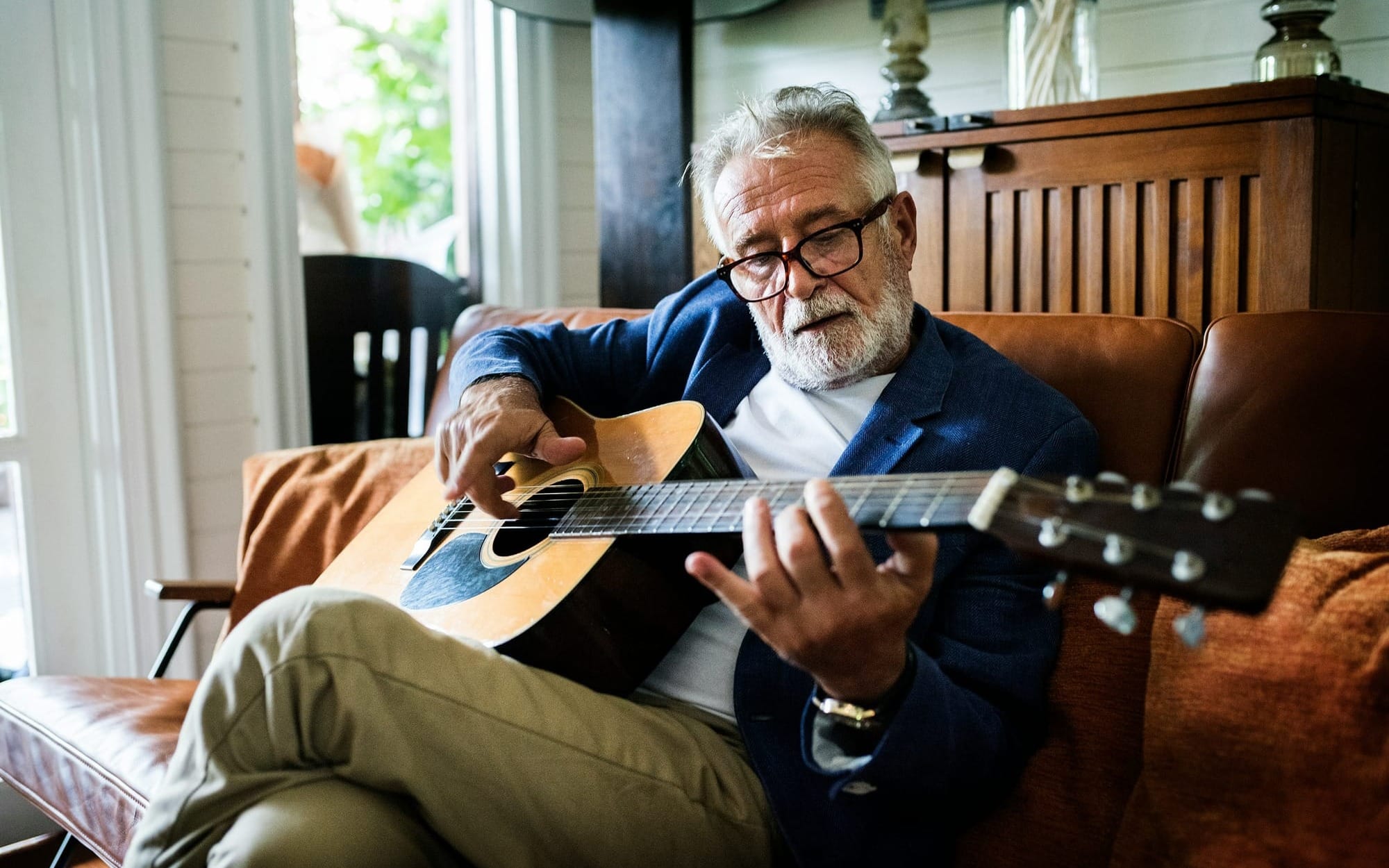
Active Notes, Sharper Minds
Most of this article is about dementia, but many readers are asking an earlier question: “I’m well - can music keep me that way?” Randomised trials in cognitively healthy older adults offer a cautiously encouraging answer, with an important twist.
A 2025 systematic review and meta-analysis pooled nine randomised controlled trials involving 625 cognitively normal adults aged 60 and over (Tang et al., 2025). Structured music-based programmes - mostly active ones, such as piano or drum training and group singing - produced small-to-moderate improvements compared with control groups in global cognition (SMD = 0.31), memory (SMD = 0.36), and executive function (SMD = 0.43). There was no significant effect on attention (SMD = −0.12). The trials were small, and seven of the nine were rated as having “some concerns” for risk of bias, so the authors called for larger, higher-quality studies to confirm the findings.
Passive listening is a different story. A 2024 systematic review and meta-analysis of music listening in healthy older adults found no significant cognitive benefit overall, although happy, activating music did appear to increase arousal (Sella et al., 2024). The studies it pooled varied widely in the music used and the outcomes measured, and the authors stopped short of drawing firm conclusions. That is better read as “not yet convincingly shown” than as “proven not to work” - and it doesn’t contradict the dementia trials discussed below, which looked at different people and, in the case of personalised playlists, at behaviour and mood rather than cognitive test scores.
Put together with the PROTECT findings, the pattern is consistent: the strongest signals come from doing music - playing, singing, drumming - rather than simply having it on in the background.
What happens after a diagnosis: the clinical evidence

The Path After Diagnosis, Mapped by Science
The prevention question matters, but most families arrive at this topic already dealing with a diagnosis. The question they’re asking is different: “My person has dementia. Will music actually help?”
The short answer, based on the current evidence base, is yes - for several different outcomes, and more reliably than many people expect.
Cognition
A 2023 systematic review and meta-analysis of 24 randomised controlled trials found that music therapy improved cognitive function and reduced depression and anxiety in people with dementia (Lin et al., 2023). The same analysis found that effects were strongest when music therapy ran for at least 12 weeks, included at least 16 sessions, and totalled at least 8 hours of therapy time - suggesting that consistency matters as much as any individual session.
A separate 2023 meta-analysis focused specifically on Alzheimer’s disease found that music therapy improved general cognition, executive function, and episodic memory in people with mild cognitive impairment or early-stage dementia (Bleibel et al., 2023). A 2024 network meta-analysis went a step further, comparing different types of music intervention head-to-head: rhythmic music therapy and active music therapy with singing produced the largest improvements in cognitive function, though even listening-only and singing-only approaches showed positive effects (Ting et al., 2024).
These aren’t dramatic reversals of decline. They’re meaningful improvements in daily function - the kind that can change what a person can do and how connected they feel.
Mood, anxiety, and depression
Depression and anxiety in dementia are not just uncomfortable - they accelerate cognitive decline and erode quality of life for both the person and their caregivers. Here, the music evidence is particularly consistent. A 2023 systematic review and meta-analysis found that music interventions significantly reduced both depression and anxiety in people with dementia, especially when sessions were longer than 45 minutes and delivered regularly (Zhang et al., 2023). An earlier meta-analysis by Moreno-Morales et al. (2020) found small to moderate improvements in quality of life and reductions in long-term depression symptoms.
A major 2025 multinational cluster-randomised controlled trial - the MIDDEL study, published in The Lancet Healthy Longevity - examined music interventions for dementia and depression in older adults across multiple countries (Sveinsdottir et al., 2025). Results reinforced that structured music programs can produce clinically meaningful changes in mood, adding weight to the broader meta-analytic picture.
Agitation and challenging behaviour
Behavioural disturbances - agitation, aggression, restlessness, and wandering - are among the hardest aspects of dementia to manage, and they’re often what leads to crisis-level situations or early placement in residential care. A 2024 RCT published in Frontiers in Medicine compared three conditions for people living in long-term care facilities: individual music therapy with a trained therapist, personalised music listening playlists, and usual care (Prick et al., 2024).
• The music listening group showed significant reductions in hyperactive behaviours, measured with the Neuropsychiatric Inventory–Nursing Home version.
• The music therapy group showed reduced restless behaviour on the Qualidem quality-of-life scale, and this improvement persisted at least three weeks after sessions ended.
Both approaches worked. Neither was sedating people into compliance - they were engaging them.
Sleep
Sleep disruption is another major challenge, and one that doesn’t get enough attention. A feasibility trial of tailored music listening in people with dementia and sleep disturbance found high adherence, along with small improvements in sleep duration and continuity - with both participants and carers rating the intervention as helpful (Petrovsky et al., 2023). The evidence here is still early, but it aligns with what many caregivers report informally: a personalised playlist in the evening can smooth the transition to sleep in a way that medications sometimes can’t.
How music therapy compares to music listening - and why the distinction matters
The Difference That Changes the Brain’s Future
One thing the research makes clear is that not all music-based interventions are the same. There’s a meaningful difference between formal music therapy delivered by a trained therapist and simply putting on a playlist - and both have their place.
Formal music therapy typically involves active participation: improvisation, singing, playing instruments, rhythmic movement. The therapist tailors the session to the person’s history, preferences, and current state, and can respond in real time when someone becomes distressed or disengaged. The 2024 network meta-analysis found that active approaches involving rhythm and singing produced the strongest cognitive benefits (Ting et al., 2024). The same pattern appears in healthy older adults, where the trials showing cognitive gains were mostly active ones (Tang et al., 2025).
Receptive interventions - personalised listening - are less intensive but often more feasible, especially at home or in care settings without access to a therapist. They still work. The Prick et al. (2024) trial showed that personalised playlists reduced hyperactive behaviour significantly, even without a therapist present. A 2023 RCT of receptive music therapy in older adults with mild to moderate cognitive impairment also found improved cognitive scores and reduced behavioural problems compared to controls (Bleibel et al., 2023).
A 12-month pilot RCT known as the ALMUTH study tested a year-long active music program in people with Alzheimer’s disease (Matziorinis et al., 2023). The study demonstrated that sustained musical engagement over a full year is feasible and showed promising signals across cognitive and behavioural measures - important because most trials run for weeks, not months, and dementia is a long journey.
The practical takeaway: if you have access to a trained music therapist, that’s worth pursuing. If you don’t, a thoughtfully built personalised playlist is not a second-best consolation prize - it’s a real intervention with real evidence behind it.
A quick note on mental fatigue
Music may also help the brain recover in the short term. In a 2025 study of healthy young men, researchers induced mental fatigue with demanding cognitive tasks, then gave participants either a period of rest or a music intervention while recording brain activity with EEG (Wang et al., 2025). Music was associated with faster recovery of attention than rest. This was a small experiment in a narrow group - young, male, and healthy - so it tells us about the mechanism rather than about older adults or dementia. But it fits the idea that music can shift the brain’s state in the moment, not just over months of practice.
What the brain looks like after music intervention
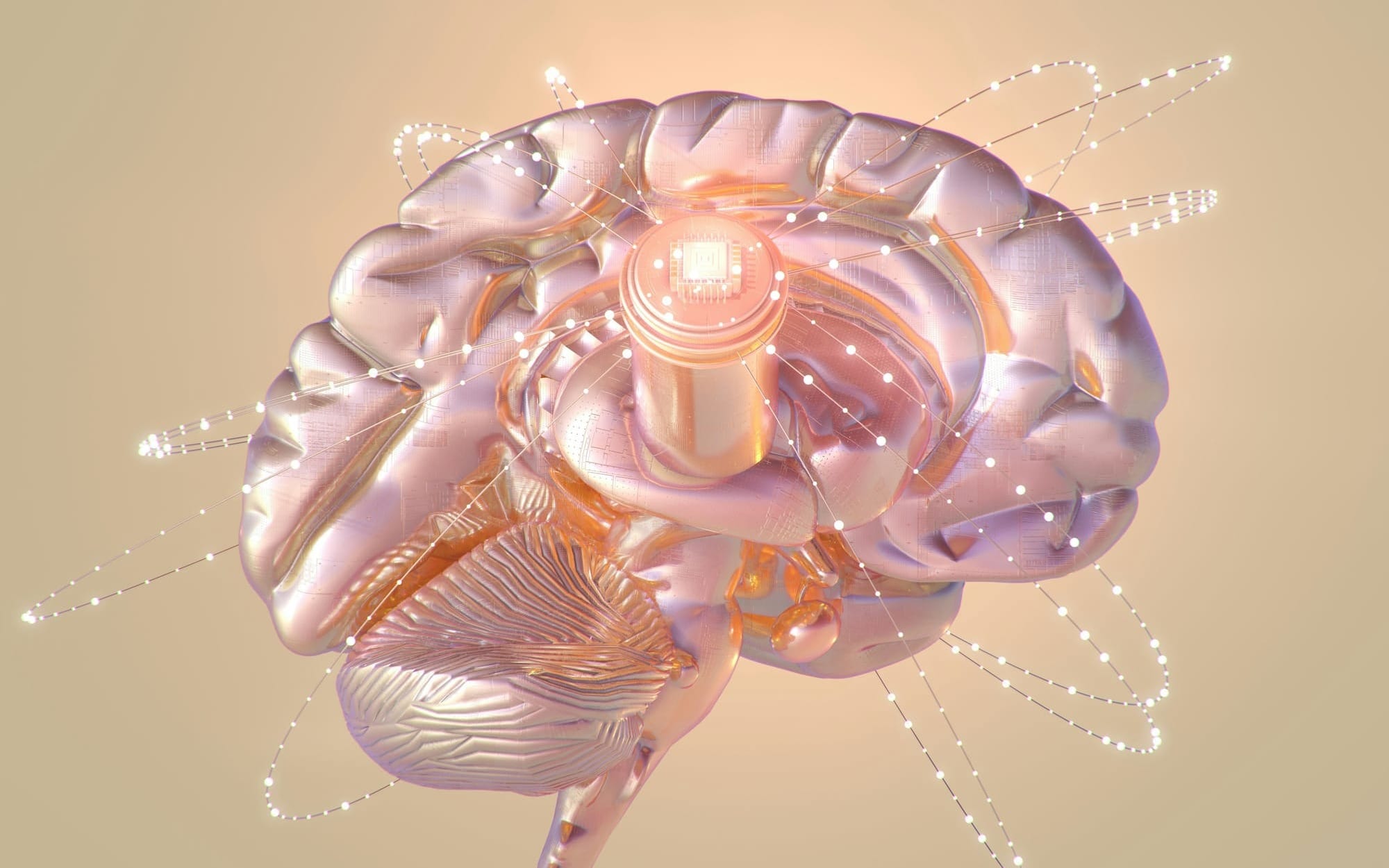
The behavioural outcomes are compelling, but what’s actually happening in the brain? A 2024 fMRI study of older adults who completed an 8-week music-based intervention found increased time spent in a temporal–mesolimbic network after the program - a network linking auditory regions to the brain’s reward and motivation circuits (Faber et al., 2024). In other words, repeated musical engagement appeared to strengthen the connections between hearing, feeling, and wanting to engage. Those are exactly the connections that dementia progressively erodes.
Early work in dementia points in a similar direction. In a 2026 hypothesis study, people with dementia completed cognitive testing, including an n-back working-memory task, and magnetoencephalography (MEG) scans before and after a structured music therapy programme (Slade et al., 2026). Scores on the n-back task improved afterwards, and the connectivity patterns suggested that other neural networks may have stepped in to compensate. The authors describe this as preliminary evidence. The idea that music activates “backup” pathways when the usual ones are damaged is an appealing explanation - but it is a hypothesis to be tested in larger, controlled studies, not yet a settled mechanism.
Studies in healthy brains help show how this might work. In a 2025 MEG study from Karolinska Institutet and MIT, participants were asked to follow one of two overlapping melodies while ignoring the other (Manting et al., 2025). Across two experiments (28 and 20 participants), people with higher musicality scores performed better, showed stronger top-down attention (deliberate, goal-directed focus) in the left parietal cortex, and were less pulled by the distracting melody on the right. Because musicality was measured rather than assigned, this shows an association rather than proof that training causes the difference - but it gives a window into how musical experience may sharpen the brain’s ability to filter noise and stay focused, which matters for ageing.
There’s also the question of neural entrainment: the brain’s tendency to synchronise its electrical activity to external rhythmic stimuli. Research has shown that alpha-range rhythmic stimulation (8–12 Hz) can increase relaxed wakefulness, theta-range stimulation (4–7 Hz) can support meditative or restful states, and gamma-range stimulation around 40 Hz - actively studied in Alzheimer’s research - appears to influence neural synchrony and microglial activity. Music doesn’t map cleanly onto single frequencies the way a pure tone does, but its rhythm and tempo can still nudge the brain toward particular states, which may be part of why it’s effective for agitation and sleep.
Why musical memory holds on when everything else is slipping
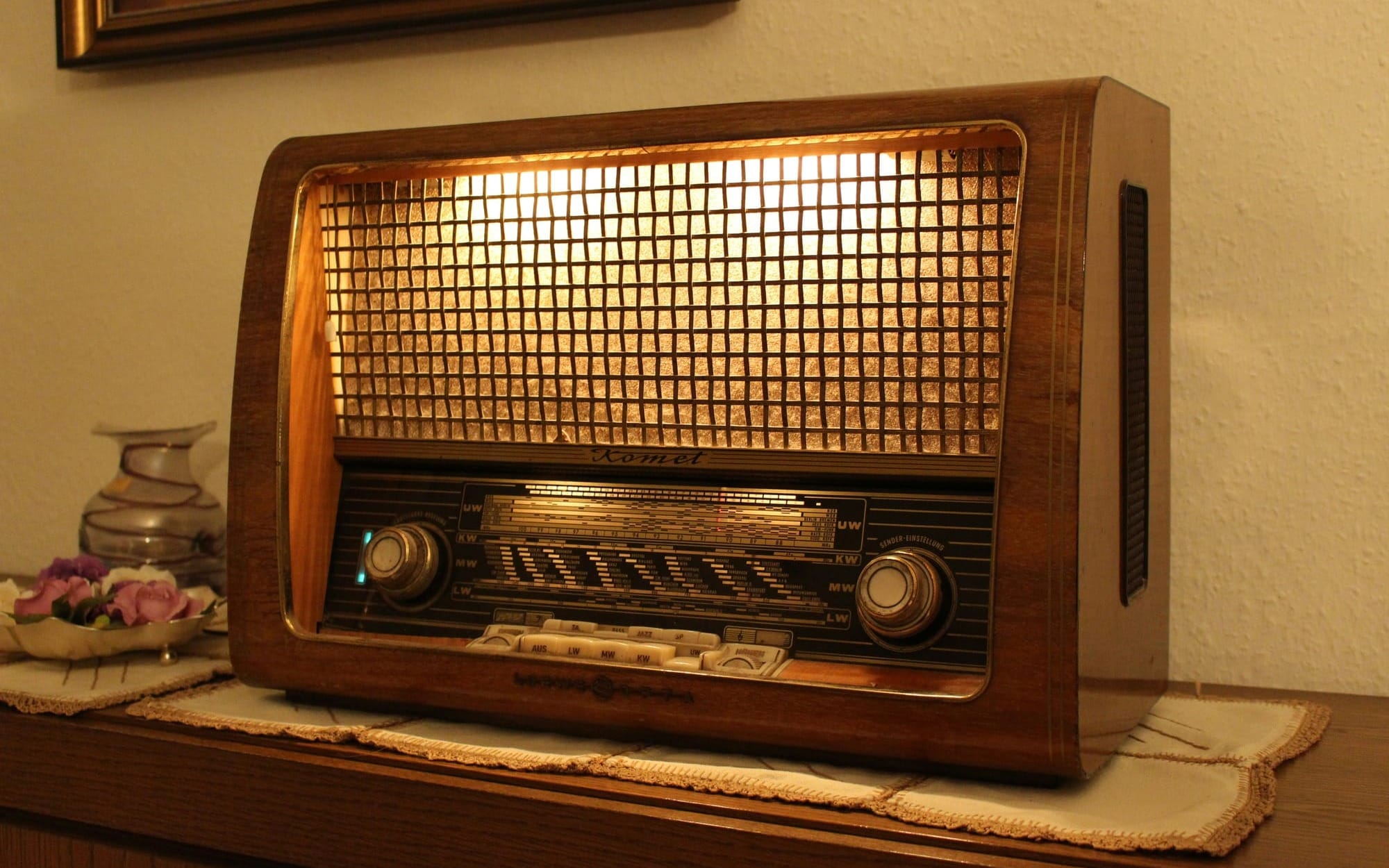
One of the most striking clinical observations in dementia care is that musical memory often survives long after other memories have faded. A person who can no longer recall their children’s names may still sing every word of a song from their teens. This isn’t just poignant - it’s neurologically meaningful.
Several mechanisms seem to contribute. Musical memory engages auditory, emotional, motor, and reward circuits simultaneously, so it’s distributed across a wide network rather than stored in a single region - making it less vulnerable to the localised damage that characterises Alzheimer’s. Songs tied to emotionally significant life events are encoded more deeply, which makes them easier to retrieve even as other forms of recall weaken. Singing along uses rhythm, timing, and motor planning, which tend to remain intact longer than language or episodic memory. And well-known songs become almost procedural over time - similar to how someone can still walk or tie their shoes even when other abilities decline.
This is why familiar, personally meaningful music - particularly songs from adolescence and early adulthood - is consistently recommended over generic background music. Songs from that period of life tend to be stored with the most emotional salience, in networks that remain relatively preserved until the later stages of Alzheimer’s. They’re not just pleasant sounds. They’re access points.
"Music offers a record of history and human experience that words and images cannot. ... Both song texts and tunes can remind us of people, places, and events, accessing an ancient 'hard drive' of historical memory." - Marion Jacobson
A rough “dose”: how much, how often, what kind
People often ask for a dosing prescription the way they would for a medication. The research can’t give a perfect answer, but it does offer some useful patterns.
From recent reviews and meta-analyses:
• Program duration: Interventions running 12 weeks or longer tend to show more reliable cognitive benefits (Lin et al., 2023).
• Number and length of sessions: At least 16 sessions totalling 8 or more hours is associated with cognitive improvement; sessions longer than 45 minutes, delivered at least weekly, appear most effective for mood outcomes (Lin et al., 2023; Zhang et al., 2023).
• Type of engagement: Active approaches — singing, rhythmic movement, playing instruments — produce stronger cognitive effects, but receptive listening is still beneficial in dementia care and more practical for daily home use (Ting et al., 2024). In healthy older adults, listening alone has not yet shown clear cognitive benefit, so adding an active element is worthwhile (Sella et al., 2024; Tang et al., 2025).
• Music choice: Personalised playlists focused on songs from adolescence and early adulthood are recommended over generic selections.
If you’re translating this into a realistic daily habit:
• Aim for 30–60 minutes of music engagement, 3–5 days per week.
• Mix active elements (singing along, tapping, swaying, simple instruments) with receptive listening.
• Build playlists around music that was personally meaningful between roughly ages 15 and 25.
• Consistency over time matters more than perfection in any single session.
What this means for caregivers
For families and care staff, this research translates into something genuinely practical. You don’t need a formal therapist to start - building a personalised playlist, singing along together, incorporating music into mealtimes or evening routines, or simply putting on a favourite album from someone’s youth are all interventions with evidence behind them.
Where a trained music therapist is available, that’s worth pursuing, particularly for people with significant agitation, mood disturbance, or behavioural challenges. A 2024 RCT protocol for home-based individualised music intervention (Jakob et al., 2024) and the broader research suggest that even individualised, therapist-led programs in home care settings are feasible and worth exploring.
It’s also worth noting what music doesn’t do. It doesn’t reverse the underlying pathology of dementia. It doesn’t replace medical care, medication when needed, or the exhausting and irreplaceable work of human caregiving. But it can make the work easier, the person more reachable, and the day a little more like a life worth living.
A final note

A Quiet Note to Carry With You
There is something quietly remarkable about the way music behaves in the aging brain. As so many abilities erode, it remains. It sneaks past the damage and finds what’s still there.
For researchers, that’s a puzzle worth studying. For clinicians, it’s a tool worth prescribing. For families, it’s often the most human part of a day that can otherwise feel defined by loss.
The evidence won’t tell you exactly which song to play or when. That part you figure out by paying attention to the person in front of you — which, it turns out, is exactly what the best music interventions have always been about. Listening. Responding. Meeting someone where they are.
That’s not soft science. That’s care.
“Music was my refuge. I could crawl into the space between the notes and curl my back to loneliness.” - Maya Angelou
Explore a Root-Cause Approach to Brain Longevity Cognitive health is deeply tied to systemic wellness, from cellular inflammation to lifestyle rhythms. At Health Visioning, the focus is placed on uncovering the underlying biological mechanisms behind cognitive decline and designing personalized, functional strategies to protect aging networks.
If you or a loved one are looking for an evidence-backed roadmap to support brain longevity, discover how a comprehensive assessment can help.
References
Bleibel, M., El Cheikh, A., Sadier, N. S., & Abou-Abbas, L. (2023). The effect of music therapy on cognitive functions in patients with Alzheimer’s disease: A systematic review of randomized controlled trials. Alzheimer’s Research & Therapy, 15(1), 65. https://doi.org/10.1186/s13195-023-01214-9
Faber, S., Belden, A., McIntosh, R., & Loui, P. (2024). Network connectivity differences in music listening among older adults following a music-based intervention [Preprint]. bioRxiv. https://doi.org/10.1101/2024.06.13.598944
Jaffa, E., Wu, Z., Owen, A., Phyo, A. A. Z., Woods, R. L., Orchard, S. G., Chong, T. T.-J., Shah, R. C., Murray, A., & Ryan, J. (2025). What is the association between music-related leisure activities and dementia risk? A cohort study. International Journal of Geriatric Psychiatry, 40(10). https://doi.org/10.1002/gps.70163
Jakob, E., Meininger, J., Hillebrand, M., Weise, L., & Wilz, G. (2024). Study protocol: Randomized controlled trial of an individualized music intervention for people with dementia in the home care setting. BMC Psychiatry, 24(1), 230. https://doi.org/10.1186/s12888-024-05697-0
Lin, T. H., Liao, Y. C., Tam, K. W., Chan, L., & Hsu, T. H. (2023). Effects of music therapy on cognition, quality of life, and neuropsychiatric symptoms of patients with dementia: A systematic review and meta-analysis of randomized controlled trials. Psychiatry Research, 329, 115498. https://doi.org/10.1016/j.psychres.2023.115498
Manting, C. L., Pantazis, D., Gabrieli, J., & Lundqvist, D. (2025). How musicality enhances top-down and bottom-up selective attention: Insights from precise separation of simultaneous neural responses. Science Advances, 11, eadz0510. https://doi.org/10.1126/sciadv.adz0510
Matziorinis, A. M., Flo, B. K., Skouras, S., Dahle, K., Henriksen, A., Hausmann, F., Sudmann, T. T., Gold, C., & Koelsch, S. (2023). A 12-month randomised pilot trial of the Alzheimer’s and music therapy study: A feasibility assessment of music therapy and physical activity in patients with mild-to-moderate Alzheimer’s disease. Pilot and Feasibility Studies, 9(1), 61. https://doi.org/10.1186/s40814-023-01287-1
Monash University. (2025, November 17). Daily music listening linked to big drop in dementia risk. ScienceDaily. https://www.sciencedaily.com/releases/2025/11/251116105633.htm
Moreno-Morales, C., Calero, R., Moreno-Morales, P., & Pintado, C. (2020). Music therapy in the treatment of dementia: A systematic review and meta-analysis. Frontiers in Medicine, 7, 160. https://doi.org/10.3389/fmed.2020.00160
Petrovsky, D. V., Bradt, J., McPhillips, M. V., Sefcik, J. S., Gitlin, L. N., & Hodgson, N. A. (2023). Tailored music listening in persons with dementia: A feasibility randomized clinical trial. American Journal of Alzheimer’s Disease & Other Dementias®, 38. https://doi.org/10.1177/15333175231186728
Prick, A.-E. J. C., Zuidema, S. U., van Domburg, P., Verboon, P., Vink, A. C., Schols, J. M. G. A., & van Hooren, S. (2024). Effects of a music therapy and music listening intervention for nursing home residents with dementia: A randomized controlled trial. Frontiers in Medicine, 11, 1304349. https://doi.org/10.3389/fmed.2024.1304349
Sella, E., Vincenzi, M., Carbone, E., Schellenberg, E., & Lima, C. (2024). Effects of music listening on cognition and affective state in older adults: A systematic review and meta-analysis. European Psychologist, 29(3), 199–215. https://doi.org/10.1027/1016-9040/a000533
Slade, B., Williams, B., Engelbrecht, R., Woods, W., Bhar, S., & Ciorciari, J. (2026). Can music therapy improve cognition in dementia as measured with magnetoencephalography: A hypothesis study. Biomedicines, 14(2), 452. https://doi.org/10.3390/biomedicines14020452
Sun, J., Wang, Q., & Ai, J. (2024). The underlying roles and neurobiological mechanisms of music-based intervention in Alzheimer’s disease: A comprehensive review. Ageing Research Reviews, 96, 102265. https://doi.org/10.1016/j.arr.2024.102265
Sveinsdottir, V., Assmus, J., Schneider, J., Baker, F. A., Uçaner, B., Kreutz, G., Geretsegger, M., Rasing, N., Bloska, J., Stretton-Smith, P. A., Lee, Y.-E. C., Wake, J. D., Odell-Miller, H., Tamplin, J., Vink, A. C., Ablewhite, J., Neuser, J., Frischen, U., Timmer, A., … Gold, C. (2025). Clinical effectiveness of music interventions for dementia and depression in older people (MIDDEL): A multinational, cluster-randomised controlled trial. The Lancet Healthy Longevity, 6(12), 100783. https://doi.org/10.1016/j.lanhl.2025.100783
Tang, L., Feng, Z., Zhang, Y., & Tong, F. (2025). The effects of music-based interventions on cognitive function in cognitively normal older adults: A systematic review and meta-analysis. Frontiers in Psychology, 16, Article 1632873. https://doi.org/10.3389/fpsyg.2025.1632873
Ting, B., Su, C. H., Chen, D. T., Hsu, W. T., Tsai, C. L., Lin, P. Y., & Jingling, L. (2024). The sound of memory: Investigating music therapy’s cognitive benefits in patients with dementia—A network meta-analysis of randomized controlled trials. Journal of Personalized Medicine, 14(5), 497. https://doi.org/10.3390/jpm14050497
Vetere, G., Williams, G., Ballard, C., Creese, B., Hampshire, A., Palmer, A., Pickering, E., Richards, M., Brooker, H., & Corbett, A. (2024). The relationship between playing musical instruments and cognitive trajectories: Analysis from a UK ageing cohort. International Journal of Geriatric Psychiatry, 39(2), Article e6061. https://doi.org/10.1002/gps.6061
Wang, Z., Xu, W., Zhang, C., Zhang, C., Liu, Y., Chen, P., Han, G., & Wang, L. (2025). Music boosts the recovery of attention after mental fatigue in healthy young male subjects: A human auditory event-related potential study. Behavioural Brain Research, 485, Article 115539. https://doi.org/10.1016/j.bbr.2025.115539
Zhang, J., Yu, Z., Zhang, N., Zhao, W., Wei, B., He, R., … Mao, Y. (2023). Does music intervention relieve depression or anxiety in people living with dementia? A systematic review and meta-analysis. Aging & Mental Health, 27(10), 1864–1875. https://doi.org/10.1080/13607863.2023.2214091
AI disclosure
This article reflects the author's own clinical experience, ideas, and perspective. Claude (Anthropic) was used for editorial support in preparing this piece - including research assistance, citation verification, and structural polishing.