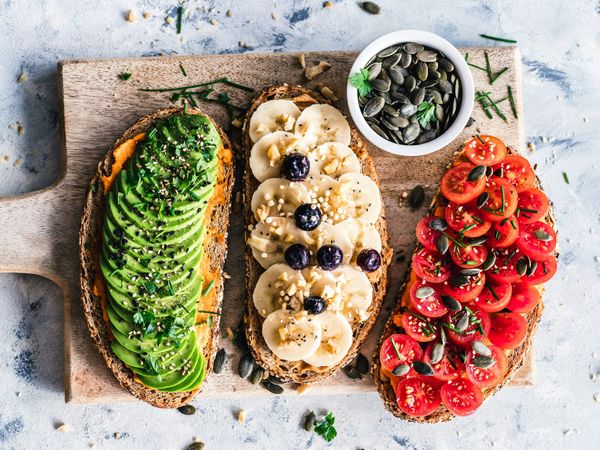
Epigenetics over Genetics: Translating Blue Zone Longevity into Preventive Medicine
A clinically grounded look at how Blue Zone habits translate into preventive medicine: telomere preservation, incidental movement, plant‑forward nutrition, psychosocial buffering, and environmental redesign.

How to live healthy using our grandmother’s lifestyle
By Dr. Cristiana Coneru, MD, FRSM, FRCEM, CFMP, HCTP, Dip CNM, NBC HWC Founder of Health Visioning
In a world “infused” in Western diet culture, living any other way can feel almost foreign. But that unfamiliarity is a fairly recent invention. My grandmother grew her own vegetables. Home cooking wasn’t a lifestyle choice in her house - it was simply how things were done. A healthy way of living was the norm during her youth, and it was still visible, if fading, in the countryside during my own childhood.
Looking back, I realize that most of the chronic conditions we treat as inevitable today were either absent or vanishingly rare back then. That’s worth sitting with. Preventive medicine and social prescribing should be cornerstones of how we practice, not afterthoughts bolted onto a system built for crisis response. Somewhere along the way, in the process of modernizing everything, we lost the thread back to what actually nourishes us, on and off the plate. We became infatuated with two tastes - sweet and salty - and started paying more attention to a food’s appearance, texture, and aroma than to its nourishing value. The soil tells the same story: a supermarket tomato today is dosed with pesticides and stripped of the nutrients it once carried. I remember my father making cucumber salad in the kitchen, and the smell reaching me two rooms away. What happened, that we slid so far from that? And how do we begin repairing a system that has been quietly breaking for decades?
Blue Zones hand us something rare: proof that we can start over, using a way of living that is simple rather than sophisticated. The real obstacle isn’t learning something new - it’s unlearning what we picked up along the way, and finding our way back to what earlier generations already knew.
The Paradox We Can’t Prescribe Our Way Out Of

Some of the world’s longest-lived populations reach their hundredth birthday having spent almost no time in a hospital. That’s the paradox sitting at the center of Blue Zones research: exceptional longevity achieved with minimal reliance on tertiary medical care. Centenarians in Sardinia’s Ogliastra region, Okinawa, Ikaria, Nicoya, and the Seventh-day Adventist community of Loma Linda didn’t out-medicate aging - they out-lived it, through decades of environmental and behavioral conditions stacked quietly in their favor.
This is where the clinical model has to shift. Medicine has spent the last century mastering pathogenesis - the mechanics of how disease begins and progresses - while paying comparatively little attention to salutogenesis, the study of what actually generates and sustains health. Bhattacharya et al. (2020) trace the salutogenic model back to Aaron Antonovsky, whose research on Holocaust survivors revealed that some people maintained remarkably good health despite catastrophic stress - prompting him to ask not why people get sick, but why some people stay well. Waldman and Terzic (2019) frame this same shift in more clinical language: healthcare, they argue, is moving from a reactive posture built around symptom management toward a proactive one built around molecular insight and prevention.
Dan Buettner’s field work gave this idea a geography. Working with National Geographic and a team of demographers and anthropologists, Buettner and Skemp (2016) identified five regions - later dubbed “Blue Zones” - where an unusually high share of residents live past 100. What they found, distilled into the now-familiar “Power 9,” wasn’t a diet plan or a supplement stack. It was a way of organizing daily life so that healthy choices required no willpower at all.
That’s the core hypothesis worth sitting with, clinically: extrinsic, environmental, and behavioral variables appear to override genetic predisposition in determining how long - and how well - we live. Liu et al. (2019) put a number on this using data from the Health and Retirement Study: genetics explained a comparatively modest share of variance in their biological-aging measure, while behavior and life-course circumstances carried the heavier weight. The centenarian genome itself tells a similar story. When Santos-Pujol et al. (2025) sequenced the multiomics profile of the world’s oldest living woman, they found some rare protective genetic variants, but also a strikingly youthful epigenome, a rejuvenated microbiome, and low systemic inflammation - outcomes shaped as much by exposure and lifestyle as by inheritance.
None of this means genetics is irrelevant. It means genetics loads the gun, and environment - in the Blue Zones sense of the word - decides whether, and how often, it fires.
What the Power 9 Actually Teach Us

Lozada-Martinez and Anaya (2024) push for a stricter definition of what counts as a genuine Blue Zone, arguing the term has been diluted since Buettner’s original fieldwork and should be reserved for regions with rigorously validated age data and demonstrable biological - not just anecdotal - markers of successful aging. Kreouzi et al. (2022) took on the harder task of mapping the Power 9 onto the six pillars of clinical lifestyle medicine, and the overlap is close to one-to-one: healthy eating, physical activity, avoidance of risky substances, stress management, restorative sleep, and social connection.
Cardio-Metabolic Protection

Diet carries much of the weight, but not in the way most people assume. Pes et al. (2022) reviewed decades of nutritional data across the four classically recognized zones - Sardinia, Okinawa, Ikaria, and Nicoya - and found no single unifying “Blue Zone diet.” What the regions share instead is a pattern: minimally processed, plant-forward eating shaped by geography and tradition rather than by a formula. Santacroce et al. (2024) narrow in on the shared biochemistry underneath that pattern - fiber, polyphenols, beta-glucans, and unsaturated fats - and trace their effects to inhibition of the NF-κB inflammatory pathway and expansion of regulatory T-cell populations.
This is where the mechanism starts to matter for practice, not just for interest. Caloric moderation - not starvation, but simply eating less than the modern default - appears to modulate the mTOR pathway, a master regulator of cell growth that, left chronically overactive, accelerates aging. Chen et al. (2019) demonstrated this directly in animal models, where restricted feeding altered mTOR and ubiquitin-proteasome signaling in skeletal muscle in an age-dependent way. Stallone et al. (2019) go further, calling mTOR dysregulation one of the more conserved and central drivers of the aging phenotype, implicated in everything from cardiovascular decline to immune senescence. Lower mTOR activity, in other words, isn’t just a curiosity of nematode and mouse studies - it’s a plausible molecular thread connecting an Okinawan sweet-potato-heavy plate to a longer healthspan.
Inflammation runs through nearly every chronic disease we treat, and diet is one of the few levers a patient can pull daily. Stromsnes et al. (2021) reviewed the anti-inflammatory compounds across several protective dietary patterns and found consistent evidence that plant-derived polyphenols blunt the inflammatory cascade, while diets high in saturated fat tend to provoke it. Pandey and Rizvi (2009), in one of the more heavily cited papers on the subject, trace this same protective effect to polyphenols’ role as dietary antioxidants - implicated in lowered risk of cancer, cardiovascular disease, and neurodegeneration across long-term epidemiological data. Fatima et al. (2025) recently widened the lens further, comparing the Mediterranean, DASH, plant-based, Blue Zone, intermittent fasting, and Nordic patterns side by side, and found the common denominator wasn’t any single food group - it was minimal processing and moderate caloric intake, sustained for decades rather than months.
Telomere Preservation - A More Cautious Read

Movement matters, though not always in the way the wellness industry tells it. The research on telomere length - the protective caps on our chromosomes that shorten with cellular stress and age - is more nuanced than it’s often presented. Almuraikhy et al. (2023) studied cytokine levels, oxidative stress markers, and telomere length in a large Qatari cohort and found that moderate physical activity did meaningfully lower inflammatory and oxidative stress markers - but telomere length itself didn’t differ significantly between active and sedentary groups in that dataset. It’s a useful corrective: the anti-inflammatory, insulin-sensitizing benefits of daily movement are well established, even where the telomere story is still being written. Mohol et al. (2025), reviewing Blue Zone dietary patterns specifically, still frame diet-driven telomere preservation as a plausible contributor to longevity - but note the evidence base is a critical review of associations, not a settled causal mechanism.
Turning Insight Into Practice
Non-Exercise Physical Activity

If there’s a single principle worth translating into a patient conversation, it’s this: none of the five Blue Zones rely on structured exercise. Nobody is doing CrossFit in Ikaria. What they have instead is what researchers call non-exercise physical activity, or NEPA - the cumulative effect of gardening, walking to a neighbor’s house, kneading dough, climbing stairs because the terrain demands it. Bonilla et al. (2023) reviewed the evidence on NEPA and found it plays an outsized, and chronically underestimated, role in regulating body mass and metabolic health, precisely because it doesn’t depend on motivation or scheduled time. Harden et al. (2025) approached the same question from the vascular side, systematically reviewing what happens when physical activity is acutely withdrawn, and found endothelial function - a key early marker of cardiovascular risk - deteriorates measurably within days of reduced movement. The clinical implication isn’t “prescribe the gym.” It’s “redesign the day so sitting is the exception.”
Nutritional Prescription: The Plant Slant and Hara Hachi Bu
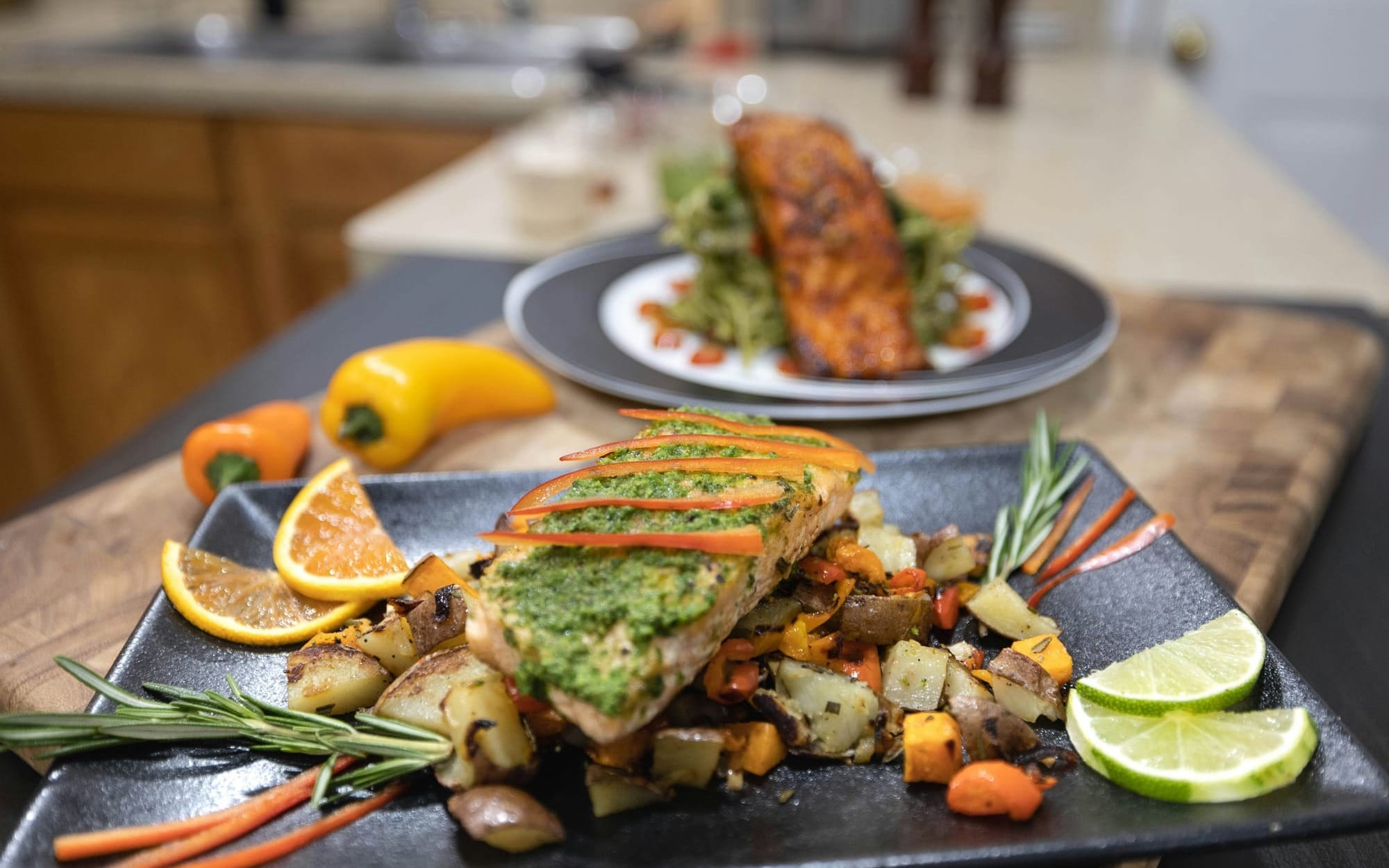
On the plate, the most exportable Blue Zone habit may be the simplest one. Okinawans traditionally practice hara hachi bu - a Confucian-rooted custom of stopping a meal at roughly 80% fullness rather than eating to satiety. A 2026 review summarizing recent research on the practice noted that while direct trials on hara hachi bu specifically remain limited, the available evidence links it to lower daily caloric intake, reduced long-term weight gain, and lower average BMI - benefits that appear to come less from restriction and more from the mindfulness the practice cultivates. Paired with a “plant slant” - legume-dense, fiber-rich, polyphenol-heavy eating - this becomes a genuinely prescribable habit rather than a diet plan patients abandon within weeks.
Psychosocial Modulators

The psychosocial layer is where Blue Zones research often gets dismissed as soft, and where I’d argue it’s most clinically underused. Okinawans describe ikigai - a defined sense of purpose for waking up each morning. Costa Ricans in Nicoya call something similar plan de vida. This isn’t just a nice idea; it appears to have a measurable physiological signature. The hypothalamic-pituitary-adrenal axis -the system governing our stress response - is regulated through a negative feedback loop between the brain and the adrenal glands (Locatelli et al., 2010), and it is sensitive to psychosocial context in ways that show up in brain structure over time. Van der Velpen et al. (2023), studying a large community cohort, found that diminished HPA-axis function was linked to worse brain structural outcomes specifically in people with depressive symptoms or weak social support - and not in those with strong psychosocial health, suggesting social connection may buffer the brain against a dysregulated stress response. Purpose and belonging, in that light, aren’t wellness extras. They’re inputs the nervous system is metabolizing daily, the same as food.
Preventive Medicine’s Next Frontier

None of this scales through willpower, and Blue Zones researchers have been fairly blunt about that. Kreouzi et al. (2022) note that these populations didn’t choose health through daily acts of discipline - they lived inside physical and social environments where the healthy option was often the only convenient one. That’s a direct challenge to how most preventive medicine still gets delivered: as advice, handed to a patient who is then expected to execute it against an environment actively working against them.
Social Prescribing

Social prescribing is one structural answer already gaining traction in clinical systems. Baska et al. (2021), writing from a European lifestyle medicine perspective, describe social prescribing as a bridge between the medical toolkit and the social determinants of health - connecting patients to community fitness groups, nutrition education cohorts, and peer support rather than defaulting to a prescription pad. It’s a formal mechanism for doing, at a health-system level, what Blue Zone communities do informally: making the healthy choice the path of least resistance.
Environmental Architecture

The built environment carries more of this weight than most clinical training prepares physicians to recognize. Howland and Keyser (2023), writing in the context of COVID-19 but with implications well beyond it, argue that public health has consistently underrepresented how much the physical and social architecture of a place - not just individual behavior - shapes health outcomes. A neighborhood engineered for walking, dense with informal spaces for social contact, and free of ultra-processed food deserts, will outperform a stack of individual willpower every time. That’s not a philosophical point. It’s a design problem, and design problems have design solutions.
Preventive Metrics

Which brings us to what we actually measure. A clinic focused purely on extending lifespan chases the wrong number. The more useful target is healthspan - the years spent free of significant disease and functional decline. Liu et al.’s (2019) work on a composite biological-aging measure gives clinicians a way to quantify this more precisely than chronological age alone, incorporating biomarkers that better reflect a person’s functional trajectory. Reframing preventive metrics around healthspan rather than lifespan changes the conversation with every patient in the room - from “how do we keep you alive longer” to “how do we keep you well longer.”
Where We Go From Here

The clinical synthesis here isn’t complicated, even if the implementation is. Ancestral lifestyle patterns - plant-forward eating, incidental movement, defined purpose, and dense social connection - aren’t nostalgic add-ons to evidence-based preventive care. Increasingly, they look like the evidence base itself: mechanistically traceable through mTOR signaling, inflammatory pathways, and HPA-axis regulation, and epidemiologically visible in five populations that have quietly out-lived the rest of us without trying to.
I think about my grandmother’s garden more than I probably should for someone with a medical degree. But there’s something honest in admitting that the most sophisticated intervention available to us might be the one she never had to think twice about.
I’d genuinely like to know: how are you currently weaving lifestyle medicine and environmental redesign into your own chronic disease prevention work - with patients, or in your own life? If this resonated, bookmark it, pass it along to a colleague circling the same questions, and follow along as this series continues into circadian biology, the gut-brain axis, and the data side of preventive cardiology.
Frequently Asked Questions

What exactly are Blue Zones? Blue Zones are five geographic regions - Sardinia (Italy), Okinawa (Japan), Ikaria (Greece), Nicoya (Costa Rica), and Loma Linda (California) - identified through demographic research as having an unusually high concentration of centenarians and low rates of chronic disease (Buettner & Skemp, 2016).
Is there one “Blue Zone diet”? No. Research across the regions finds no single unifying diet, but a shared pattern of minimally processed, plant-forward eating shaped by local geography (Pes et al., 2022).
Does genetics or lifestyle matter more for longevity? Current evidence suggests behavioral and environmental factors account for a larger share of variance in biological aging than genetic predisposition alone (Liu et al., 2019).
What is hara hachi bu? A traditional Okinawan practice of stopping meals at roughly 80% fullness, associated with lower caloric intake and reduced long-term weight gain (The Conversation, 2026).

Tired & Wired Mini‑Course
If your days feel fast and your body feels slow, the Tired & Wired mini‑course walks you through the physiology of burnout and the environmental redesigns that bring your system back into coherence.
What is the Tired & Wired Mini‑Course?
A short, evidence‑based reset for stress physiology and HPA‑axis imbalance, designed to help you understand why you feel wired, exhausted, or both.
Why should I take it?
It offers practical, clinically grounded steps to restore energy stability, improve sleep rhythms, and reduce burnout patterns.

Adrenal Fatigue & Burnout Quiz
If this article resonated with your own energy patterns, the Adrenal Fatigue & Burnout Quiz helps you map where your stress physiology currently stands.
What does the Adrenal Fatigue & Burnout Quiz assess?
It identifies early signs of HPA‑axis dysregulation, energy crashes, cortisol rhythm issues, and stress‑driven fatigue.
Why should I take it?
It gives a quick snapshot of your stress physiology and points you toward the next best step for recovery and resilience.
References
Almuraikhy, S., Sellami, M., Al-Amri, H. S., Domling, A., Althani, A. A., & Elrayess, M. A. (2023). Impact of moderate physical activity on inflammatory markers and telomere length in sedentary and moderately active individuals with varied insulin sensitivity. Journal of Inflammation Research, 16, 5427–5438. https://doi.org/10.2147/JIR.S429899
Baska, A., Kurpas, D., Kenkre, J., Vidal-Alaball, J., Petrazzuoli, F., Dolan, M., śliż, D., & Robins, J. (2021). Social prescribing and lifestyle medicine—A remedy to chronic health problems? International Journal of Environmental Research and Public Health, 18(19), 10096. https://doi.org/10.3390/ijerph181910096
Bhattacharya, S., Pradhan, K. B., Bashar, M. A., Tripathi, S., Thiyagarajan, A., Srivastava, A., & Singh, A. (2020). Salutogenesis: A bona fide guide towards health preservation. Journal of Family Medicine and Primary Care, 9(1), 16–19. https://doi.org/10.4103/jfmpc.jfmpc_260_19
Bonilla, D. A., Peralta-Alzate, J. O., Bonilla-Henao, J. A., Cannataro, R., Cardozo, L. A., Vargas-Molina, S., Stout, J. R., Kreider, R. B., & Petro, J. L. (2023). Insights into non-exercise physical activity on control of body mass: A review with practical recommendations. Journal of Functional Morphology and Kinesiology, 8(2), 44. https://doi.org/10.3390/jfmk8020044
Buettner, D., & Skemp, S. (2016). Blue zones: Lessons from the world’s longest lived. American Journal of Lifestyle Medicine, 10(5), 318–321. https://doi.org/10.1177/1559827616637066
Chen, C.-N., Liao, Y.-H., Tsai, S.-C., & Thompson, L. V. (2019). Age-dependent effects of caloric restriction on mTOR and ubiquitin-proteasome pathways in skeletal muscles. GeroScience, 41(6), 871–880. https://doi.org/10.1007/s11357-019-00109-8
The Conversation. (2026, April 2). This simple Japanese eating habit could help you live longer without dieting. ScienceDaily. https://www.sciencedaily.com/releases/2026/04/260401071940.htm
Fatima, G., Dalmadi, I., Süllős, G., Takács, K., & Halmy, E. (2025). Dietary patterns for health-span and longevity: A comprehensive review of nutritional strategies promoting lifelong wellness. Applied Sciences, 15(22), 12013. https://doi.org/10.3390/app152212013
Frias-Toral, E., Reytor-González, C., Annunziata, G., Verde, L., Jimenez-Flores, E., Sen, K., Galasso, M., Muscogiuri, G., Simancas-Racines, D., Dalamaga, M., & Barrea, L. (2026). Nutrition and longevity – Diet in centenarians. Journal of Translational Medicine, 24(1), 299. https://doi.org/10.1186/s12967-026-07691-4
Harden, J. E., David Branch, J., & Reynolds, L. J. (2025). Impacts of physical inactivity models on endothelial function: A systematic review. Sports Medicine, 55(8), 1937–1952. https://doi.org/10.1007/s40279-025-02238-x
Howland, H., & Keyser, V. (2023). Built environment as interface: A relation-based framework for the intersections between built, biotic, social, and health processes during COVID-19 and beyond. Humanities and Social Sciences Communications, 10, 368. https://doi.org/10.1057/s41599-023-01735-6
Kreouzi, M., Theodorakis, N., & Constantinou, C. (2022). Lessons learned from Blue Zones, lifestyle medicine pillars and beyond: An update on the contributions of behavior and genetics to wellbeing and longevity. American Journal of Lifestyle Medicine, 18(6), 750–765. https://doi.org/10.1177/15598276221118494
Liu, Z., Chen, X., Gill, T. M., Ma, C., Crimmins, E. M., & Levine, M. E. (2019). Associations of genetics, behaviors, and life course circumstances with a novel aging and healthspan measure: Evidence from the Health and Retirement Study. PLOS Medicine, 16(6), e1002827. https://doi.org/10.1371/journal.pmed.1002827
Locatelli, V., Bresciani, E., Tamiazzo, L., & Torsello, A. (2010). Central nervous system-acting drugs influencing hypothalamic-pituitary-adrenal axis function. Endocrine Development, 17, 108–120. https://doi.org/10.1159/000262533
Lozada-Martinez, I. D., & Anaya, J.-M. (2024). What are blue zones? An argument in favor of its definition based on the most successful model of biological aging. Aging Medicine, 7(4), 446–448. https://doi.org/10.1002/agm2.12343
Mohol, P., Ghosh, A., & Kulkarni, S. (2025). Blue zone dietary patterns, telomere length maintenance, and longevity: A critical review. Current Research in Nutrition and Food Science Journal, 13(2), 622–641. https://doi.org/10.12944/CRNFSJ.13.2.6
Pandey, K. B., & Rizvi, S. I. (2009). Plant polyphenols as dietary antioxidants in human health and disease. Oxidative Medicine and Cellular Longevity, 2(5), 270–278. https://doi.org/10.4161/oxim.2.5.9498
Pes, G. M., Dore, M. P., Tsofliou, F., & Poulain, M. (2022). Diet and longevity in the Blue Zones: A set-and-forget issue? Maturitas, 164, 31–37. https://doi.org/10.1016/j.maturitas.2022.06.004
Santacroce, L., Bottalico, L., Charitos, I. A., Haxhirexha, K., Topi, S., & Jirillo, E. (2024). Healthy diets and lifestyles in the world: Mediterranean and Blue Zone people live longer. Special focus on gut microbiota and some food components. Endocrine, Metabolic & Immune Disorders Drug Targets, 24(15), 1774–1784. https://doi.org/10.2174/0118715303271634240319054728
Santos-Pujol, E., Noguera-Castells, A., Casado-Pelaez, M., García-Prieto, C. A., Vasallo, C., Campillo-Marcos, I., Quero-Dotor, C., Crespo-García, E., Bueno-Costa, A., Setién, F., … Esteller, M. (2025). The multiomics blueprint of the individual with the most extreme lifespan. Cell Reports Medicine, 6(10), 102368. https://doi.org/10.1016/j.xcrm.2025.102368
Stallone, G., Infante, B., Prisciandaro, C., & Grandaliano, G. (2019). mTOR and aging: An old fashioned dress. International Journal of Molecular Sciences, 20(11), 2774. https://doi.org/10.3390/ijms20112774
Stromsnes, K., Correas, A. G., Lehmann, J., Gambini, J., & Olaso-Gonzalez, G. (2021). Anti-inflammatory properties of diet: Role in healthy aging. Biomedicines, 9(8), 922. https://doi.org/10.3390/biomedicines9080922
Van der Velpen, I. F., de Feijter, M., Raina, R., Özel, F., Perry, M., Ikram, M. A., Vernooij, M. W., & Luik, A. I. (2023). Psychosocial health modifies associations between HPA-axis function and brain structure in older age. Psychoneuroendocrinology, 153, 106106. https://doi.org/10.1016/j.psyneuen.2023.106106
Waldman, S. A., & Terzic, A. (2019). Health care evolves from reactive to proactive. Clinical Pharmacology & Therapeutics, 105(1), 10–13. https://doi.org/10.1002/cpt.1295